
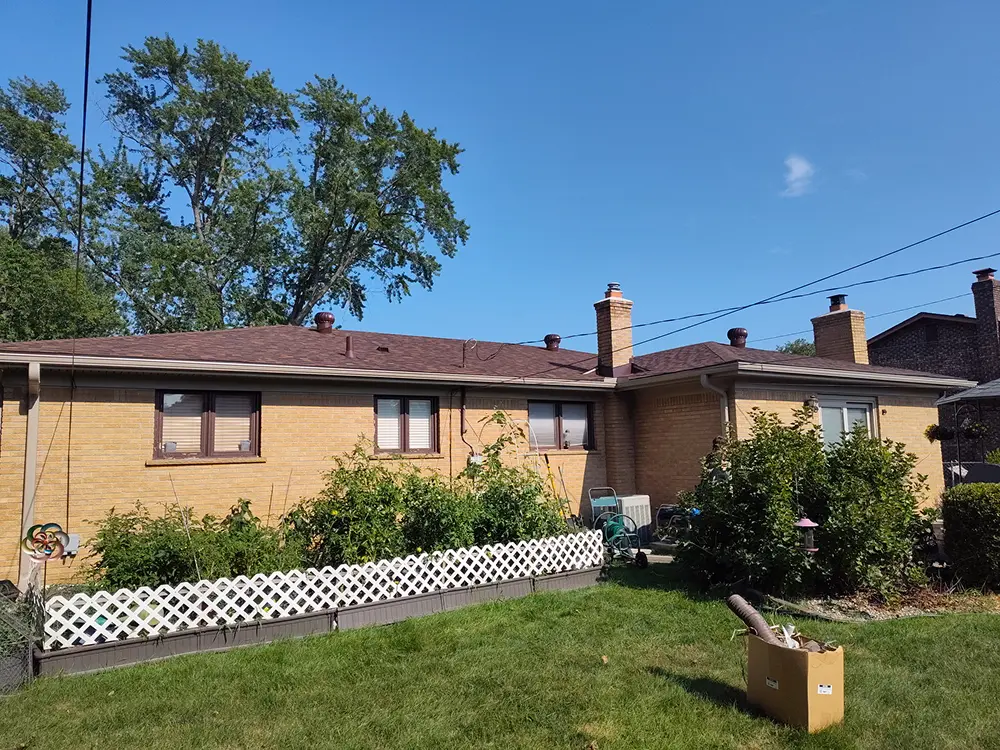
Energy efficiency has become a major concern for homeowners, especially in states like Michigan where temperatures can vary drastically throughout the year. Cold winters and warm summers often cause heating and cooling systems to work harder, leading to higher energy bills.
One of the most effective ways to improve energy efficiency in a home is through proper attic insulation. Many homeowners focus on upgrading windows or HVAC systems but overlook the attic, which plays a crucial role in maintaining indoor temperatures.
Attic insulation acts as a barrier that helps regulate heat transfer between the inside of the home and the outside environment. When properly installed, it can significantly reduce energy consumption, improve indoor comfort, and lower utility costs.
Understanding the importance of attic insulation and how it benefits Michigan homes can help homeowners make smart decisions about improving their property’s energy performance.
What Is Attic Insulation?
Attic insulation is a material installed in the attic space to reduce the transfer of heat between the roof and the interior living areas of a home.
During winter, insulation helps keep warm air inside the house, preventing it from escaping through the roof. During summer, it blocks excessive heat from entering the home.
Without proper insulation, a large portion of heated or cooled air can escape through the attic, forcing the HVAC system to work harder to maintain comfortable indoor temperatures.
Why Attic Insulation Is Important in Michigan
Michigan’s climate makes attic insulation particularly important. The state experiences cold winters, warm summers, and frequent temperature changes throughout the year.
Prevents Heat Loss in Winter
During winter, warm air naturally rises and escapes through the attic if it is not properly insulated. This heat loss forces the heating system to work harder to maintain indoor comfort.
Proper attic insulation helps trap heat inside the home, reducing the workload on the heating system and lowering energy bills.
Reduces Heat Gain in Summer
In the summer months, attic temperatures can become extremely high due to direct sunlight on the roof.
Without proper insulation, this heat can transfer into the living spaces below, making the home uncomfortable and increasing air conditioning costs.
Insulation helps block heat from entering the home, keeping indoor spaces cooler.
Prevents Ice Dams
Ice dams are a common problem in Michigan winters. They occur when warm air escapes into the attic and melts snow on the roof.
As the melted snow flows toward the edges of the roof, it refreezes and forms a barrier of ice. This can cause water to back up under the shingles and leak into the home.
Proper insulation helps maintain consistent roof temperatures, reducing the risk of ice dam formation.
Signs Your Home Needs Better Attic Insulation
Many homeowners are unaware that their attic insulation is insufficient or deteriorating.
Some common signs include:
- High heating and cooling bills
- Uneven indoor temperatures
- Drafts or cold spots in rooms
- Ice dams forming on the roof
- HVAC systems running frequently
If you notice these issues, your attic insulation may need to be upgraded.
Types of Attic Insulation
There are several types of insulation commonly used in residential homes. Each type has unique advantages depending on the needs of the home.
Blown-In Insulation
Blown-in insulation consists of small particles made from fiberglass or cellulose. It is applied using specialized equipment that distributes the material evenly across the attic floor.
This type of insulation is excellent for filling small gaps and hard-to-reach areas.
Fiberglass Batt Insulation
Fiberglass batts are one of the most widely used insulation materials. They come in pre-cut panels that are placed between attic joists.
Fiberglass insulation is affordable, easy to install, and provides reliable thermal resistance.
Spray Foam Insulation
Spray foam insulation expands when applied, filling cracks and gaps in the attic structure.
This type of insulation provides excellent air sealing and thermal performance. It is often used in areas where air leakage is a concern.
Rigid Foam Board Insulation
Rigid foam boards are dense insulation panels that provide strong thermal resistance.
They are commonly used in areas where space is limited but high insulation performance is required.
Benefits of Proper Attic Insulation
Upgrading attic insulation offers several advantages for homeowners.
Lower Energy Bills
One of the biggest benefits of proper insulation is reduced energy costs. By preventing heat loss in winter and heat gain in summer, insulation allows HVAC systems to operate more efficiently.
This leads to lower monthly utility bills.
Improved Indoor Comfort
Homes with proper insulation maintain more consistent indoor temperatures. This reduces cold drafts in winter and excessive heat during summer.
As a result, living spaces become more comfortable throughout the year.
Reduced Strain on HVAC Systems
When insulation prevents heat transfer, heating and cooling systems do not need to run as frequently.
This reduces wear and tear on HVAC equipment and can extend its lifespan.
Better Moisture Control
Proper insulation also helps control moisture levels in the attic. Excess moisture can lead to mold growth and structural damage.
Insulation works together with ventilation systems to maintain a balanced attic environment.
Increased Property Value
Energy-efficient homes are more attractive to potential buyers. Upgrading attic insulation can increase the overall value of your property and make it more appealing in the real estate market.
The Importance of Attic Ventilation
While insulation plays a major role in energy efficiency, proper attic ventilation is also essential.
Ventilation systems allow fresh air to circulate through the attic, preventing heat and moisture buildup.
A balanced attic system includes both insulation and ventilation to maintain optimal performance.
When to Upgrade Attic Insulation
Homeowners should consider upgrading insulation if:
- The home is more than 15–20 years old
- Existing insulation appears thin or damaged
- Energy bills continue to rise
- The attic lacks proper insulation coverage
Professional inspections can determine whether additional insulation is needed.
Professional Insulation Installation
While some insulation projects can be completed by homeowners, professional installation offers several advantages.
Experienced insulation contractors can:
- Evaluate the current insulation level
- Recommend the best materials for the home
- Ensure proper installation and coverage
- Identify ventilation or moisture issues
Professional installation helps ensure the insulation performs effectively and provides long-term benefits.
Conclusion
Attic insulation is one of the most effective ways to improve energy efficiency in Michigan homes. By reducing heat transfer between the attic and living spaces, insulation helps maintain comfortable indoor temperatures throughout the year.
Proper insulation lowers energy bills, reduces strain on HVAC systems, and prevents common issues such as ice dams and moisture buildup.
For homeowners looking to improve comfort, reduce energy costs, and increase property value, upgrading attic insulation is a smart and worthwhile investment.
With the right materials and professional installation, attic insulation can provide long-term protection and efficiency for your home.