
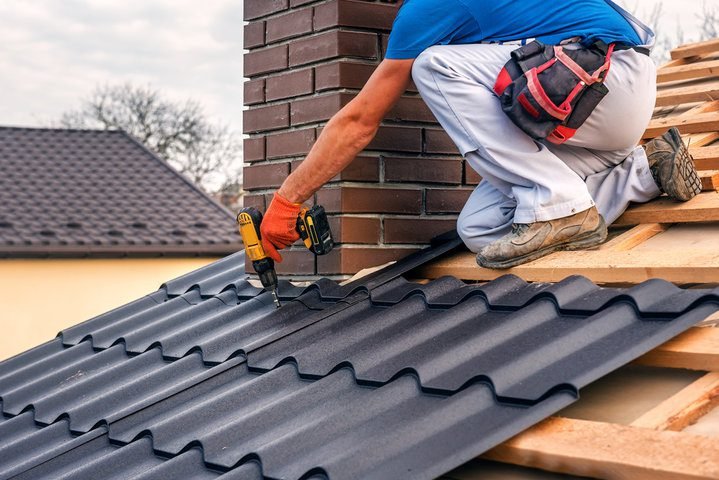
Avoiding costly roof repairs in Brownstown requires more than routine patchwork. For large-scale commercial buildings, multi-family developments, and hospitality projects, roof performance is directly tied to structural framing integrity, drainage design, material selection, and long-term maintenance planning. In Michigan’s demanding climate, minor oversights in framing or construction execution can lead to major structural and financial consequences.
For developers and general contractors, proactive planning during the framing and rough carpentry phase is one of the most effective ways to reduce long-term roof repair costs. Structural wood framing must be precise, moisture-managed, and engineered for seasonal expansion, snow loads, and freeze-thaw cycles common throughout Southeast Michigan.
Kincaid Construction Company, based in Brownstown, Michigan, specializes in structural wood framing and rough carpentry for multi-family, hospitality, and large-scale commercial construction projects. By focusing on precision framing, efficient project coordination, and durable structural systems, Kincaid helps project partners minimize long-term maintenance risks and avoid costly roof repairs before they happen.
Schedule Regular Professional Roof Inspections
Regular professional roof inspections are one of the most effective ways to prevent major structural repairs. In Brownstown and throughout Southeast Michigan, fluctuating temperatures, heavy snowfall, ice dams, and seasonal storms can gradually weaken roofing systems. While surface-level damage may appear minimal, hidden structural issues often develop beneath the roofing membrane or shingles.
For commercial buildings and multi-family complexes, undetected framing shifts or minor moisture intrusion can compromise structural wood components. Over time, this can lead to warped trusses, sagging rooflines, and compromised load-bearing capacity. Inspections allow building owners and property managers to identify vulnerabilities early, before they escalate into costly repairs or disruptions.
A professional inspection program should include:
- Evaluation of structural wood framing alignment
- Assessment of moisture intrusion and ventilation performance
- Inspection of flashing, penetrations, and roof transitions
- Review of drainage flow and potential ponding areas
- Documentation of minor defects for preventative correction
For large builds, inspections are particularly critical during the first few years after construction. Early detection allows framing contractors and general contractors to address small adjustments before environmental exposure compounds the issue.
In commercial construction, roof performance is closely tied to structural integrity. Even a slight framing misalignment can affect load distribution. Over time, this stress can lead to cracking, shifting, or uneven wear across the roof system.
Regular inspections also provide valuable documentation for warranty protection and long-term asset management. Developers and property managers benefit from having a clear record of structural performance, which supports insurance claims, resale value, and compliance requirements.
Address Minor Framing Issues Early Before They Escalate
In many cases, costly roof repairs begin with small framing inconsistencies that go unnoticed. Structural wood framing must remain stable and properly supported to maintain roof integrity. Minor settling, fastener issues, or slight material movement may not be visible from the exterior but can gradually compromise the system.
Michigan’s climate accelerates these problems. Freeze-thaw cycles expand and contract materials repeatedly throughout the year. Without early correction, minor shifts in structural framing can affect sheathing, roofing materials, and insulation layers.
Early intervention can prevent:
- Roof sagging or uneven load distribution
- Moisture penetration through stressed joints
- Cracking at connection points
- Ice dam formation due to ventilation imbalance
- Premature roof membrane deterioration
Structural framing contractors play a critical role in minimizing these risks. During construction, precision layout, fastening accuracy, and moisture management strategies are essential. For existing buildings, identifying framing stress early reduces the likelihood of major structural repairs.
In multi-family and hospitality projects, where roof spans may be larger and load requirements more demanding, proactive framing review is especially important. Minor misalignments can compound across long spans, creating progressive stress patterns that become expensive to correct.
Kincaid Construction Company emphasizes precise structural wood framing techniques designed to reduce long-term movement and improve load distribution. By supporting developers and general contractors throughout Brownstown and Southeast Michigan, the company helps ensure framing systems are built to withstand environmental stress.
Addressing minor framing issues early protects:
- Tenant safety and comfort
- Long-term asset value
- Construction warranties
- Operational budgets
- Project timelines for phased developments
The cost of early correction is minimal compared to structural roof replacement or extensive repairs caused by prolonged neglect.
Choose Durable Materials for Michigan Weather
Material selection significantly impacts long-term roof performance in Brownstown. Michigan’s weather presents a combination of heavy snow loads, ice buildup, wind exposure, and humidity shifts. Choosing durable materials during the construction phase reduces maintenance frequency and repair costs.
Structural wood framing must be specified and installed with regional climate considerations in mind. Engineered lumber, moisture-resistant sheathing, and properly rated fasteners improve durability under fluctuating conditions.
Key material considerations include:
- Pressure-treated or moisture-resistant wood components
- Engineered trusses designed for snow load requirements
- High-performance sheathing with proper sealing
- Ice and water shield integration at vulnerable areas
- Corrosion-resistant connectors and fasteners
Durable materials alone are not enough. Proper installation and detailing during rough carpentry are critical. Even the best materials can fail if they are not aligned, secured, and ventilated correctly.
For large commercial projects, material performance directly impacts lifecycle costs. Developers who invest in durable structural systems often experience fewer warranty claims and lower long-term maintenance expenses.
Roof assemblies must function as integrated systems. Framing, sheathing, underlayment, and exterior roofing materials all depend on one another for structural integrity. When materials are selected and installed with Michigan’s climate in mind, buildings are better prepared for decades of seasonal stress.
In cities like Brownstown and surrounding communities such as Taylor and Woodhaven, selecting materials that meet regional building standards ensures compliance while improving resilience. Developers benefit from working with framing specialists who understand local environmental demands and can recommend appropriate structural solutions.
Partner With Experienced Local Contractors
Avoiding costly roof repairs is easier when experienced contractors are involved from the start. Commercial framing and rough carpentry require technical expertise, especially for large-scale multi-family and hospitality projects.
Experienced contractors understand:
- Local building codes and snow load requirements
- Moisture control strategies for Michigan climates
- Structural alignment and load transfer principles
- Sequencing coordination with roofing trades
- Inspection documentation standards
Partnering with knowledgeable framing professionals ensures roof systems begin with a stable structural foundation. Early collaboration during pre-construction planning reduces errors that might otherwise remain hidden until years later.
Kincaid Construction Company works closely with developers and general contractors in Brownstown and across Southeast Michigan to deliver scalable structural wood framing solutions. With decades of experience supporting large commercial builds, the company prioritizes precision, reliability, and schedule alignment.
An experienced contractor also helps anticipate potential problem areas. For example, complex rooflines, mechanical penetrations, and long-span framing require careful coordination to avoid future stress points.
Working with skilled framing specialists results in:
- Fewer change orders
- Reduced structural corrections
- Improved construction efficiency
- Better integration with roofing systems
- Stronger long-term building performance
Commercial projects benefit significantly from teams that understand both structural design and real-world environmental exposure. Early contractor involvement is one of the most effective strategies for preventing expensive repairs down the line.
Keep Drainage Systems Clear and Functional
Drainage issues are one of the most common causes of roof damage in Michigan. Poor water management leads to ponding, ice dams, and long-term moisture intrusion. Even structurally sound framing can suffer damage if water is not properly directed away from the building envelope.
In Brownstown’s climate, snow accumulation followed by thawing creates recurring drainage stress. Blocked gutters, improperly sloped surfaces, or inadequate scuppers can cause water to back up beneath roofing materials.
Effective drainage maintenance includes:
- Routine gutter and downspout cleaning
- Inspection of slope and water flow paths
- Removal of debris after storms
- Monitoring of rooftop mechanical penetrations
- Evaluation of drainage performance during seasonal transitions
Structural framing must support proper roof pitch and slope. During construction, precise measurement ensures water flows correctly toward designated drainage points. Minor framing inconsistencies can create low spots where water collects.
For multi-family and hospitality properties, drainage performance directly affects tenant comfort and interior conditions. Persistent moisture exposure can lead to mold growth, insulation damage, and structural decay.
Developers and property managers should schedule seasonal drainage reviews, particularly before winter and after heavy storms. Proactive cleaning and inspection cost significantly less than repairing water-damaged framing or replacing compromised roofing systems.
Maintaining functional drainage protects:
- Structural wood components
- Insulation and interior finishes
- Electrical and mechanical systems
- Tenant safety
- Long-term building value
When structural framing and drainage systems are aligned during construction, roof systems perform more efficiently throughout their lifecycle.
Plan Preventative Maintenance for Large Builds
Large-scale commercial and multi-family buildings require structured maintenance planning. Reactive repairs are costly and disruptive. Preventative maintenance strategies extend roof lifespan and protect structural framing systems.
A comprehensive preventative maintenance plan includes:
- Scheduled annual structural inspections
- Moisture monitoring in attic and ceiling cavities
- Fastener and connector review
- Ventilation performance checks
- Coordination with property management teams
For developers managing multiple properties, standardized maintenance protocols improve efficiency and budgeting accuracy. Preventative planning allows teams to forecast costs rather than absorb unexpected repair expenses.
Structural wood framing benefits from ongoing observation. Even well-built systems experience natural movement over time. Monitoring these changes allows minor adjustments to be made before structural performance declines.
Kincaid Construction Company supports general contractors and developers in Brownstown by delivering framing systems designed for long-term durability. By focusing on precision construction and scalable solutions, the company helps reduce the risk of structural roof issues across large projects.
Preventative maintenance ultimately protects:
- Capital investment
- Tenant satisfaction
- Project reputation
- Insurance compliance
- Long-term operational efficiency
When maintenance planning begins during construction, roof systems are better positioned to perform reliably for decades.
Frequently Asked Questions
What does a commercial framing contractor do on large-scale projects?
A commercial framing contractor is responsible for constructing the structural wood framework that supports floors, walls, and roof systems in large buildings. Kincaid Construction Company serving Brownstown and Southeast Michigan specializes in structural wood framing and rough carpentry for multi-family, hospitality, and commercial developments, ensuring precise load distribution and code compliance.
How does structural wood framing impact roof longevity?
Structural wood framing provides the foundation that supports the entire roof assembly. If framing is misaligned or improperly installed, it can create stress points that lead to sagging or premature roofing failure. Kincaid Construction Company focuses on precision framing techniques that help extend roof lifespan across commercial projects in Southeast Michigan.
When should framing inspections occur during construction?
Framing inspections typically occur after structural framing is completed but before insulation and interior finishes are installed. This allows inspectors and contractors to verify alignment, fastening, and load compliance. On large-scale projects in Brownstown, early inspection coordination helps prevent delays and ensures structural readiness for roofing installation.
What are common causes of roof damage in Michigan commercial buildings?
Common causes include snow load stress, ice dams, poor drainage, moisture intrusion, and minor framing shifts. Seasonal temperature fluctuations amplify these risks. Developers in Southeast Michigan benefit from working with experienced framing contractors who understand local climate demands and implement preventative structural strategies.
How can preventative maintenance reduce long-term repair costs?
Preventative maintenance identifies minor issues before they become major structural problems. Routine inspections, drainage cleaning, and ventilation checks reduce moisture-related damage and framing deterioration. For large commercial properties, structured maintenance planning improves budgeting accuracy and asset longevity.
What is rough carpentry in commercial construction?
Rough carpentry involves building the structural framework of a building, including roof trusses, wall systems, floor assemblies, and load-bearing components. Kincaid Construction Company provides scalable rough carpentry solutions for multi-family and commercial developments throughout Southeast Michigan, ensuring structural precision and performance.
How do framing contractors coordinate with roofing trades?
Framing contractors ensure roof slopes, load paths, and structural supports are correctly installed before roofing materials are applied. Close coordination minimizes alignment issues and prevents future drainage or stress problems. Collaborative sequencing on large builds helps maintain project timelines and structural integrity.
Why is local experience important for commercial framing projects?
Local experience ensures familiarity with regional building codes, environmental conditions, and inspection standards. Contractors serving Brownstown and surrounding communities understand Michigan’s snow loads and climate challenges, enabling them to design and construct framing systems that reduce the likelihood of costly roof repairs.