
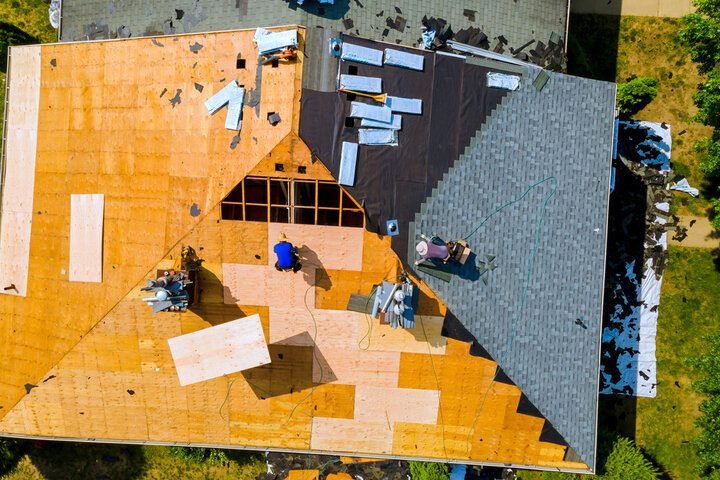
Roof repairs in Brownstown, MI demand more than quick fixes or surface-level solutions. Commercial and multi-family properties across Southeast Michigan face heavy snow loads, fluctuating temperatures, high winds, and seasonal moisture exposure. For developers and general contractors managing large-scale projects, roof repairs must align with structural framing requirements, local code compliance, and long-term building performance goals.
Kincaid Construction Company is a commercial framing and rough carpentry contractor based in Brownstown, Michigan, proudly serving developers and general contractors throughout Southeast Michigan and surrounding communities. With decades of experience in structural wood framing for multi-family, hospitality, and commercial buildings, the company approaches roof repair projects with a systems-based perspective. Every repair impacts structural framing, load distribution, and overall building integrity.
This guide outlines best practices for roof repairs in Brownstown, MI, tailored to commercial and large-scale projects. Whether supporting a renovation, addressing storm damage, or reinforcing aging structures, the principles below help ensure durable, code-compliant, and efficiently executed results.
Understanding Local Brownstown Roofing Codes
Roof repairs in Brownstown must comply with Michigan building codes, local municipal requirements, and applicable commercial construction standards. In Wayne County and throughout Southeast Michigan, code compliance extends beyond roofing materials to include structural framing, load calculations, fire resistance, and energy efficiency.
For commercial framing contractors, roof repairs often involve evaluating existing structural wood framing systems. Snow loads, wind uplift ratings, and drainage requirements are especially important in Michigan’s climate. Brownstown Township enforces state building codes while applying local interpretations that may affect inspections and approvals.
Key code considerations for commercial roof repairs in Brownstown include:
- Snow load calculations specific to Southeast Michigan
- Wind uplift resistance for large-span commercial roofs
- Fire-rated assemblies in multi-family and hospitality projects
- Energy code requirements for insulation and ventilation
- Proper drainage design to prevent ponding and ice dams
Early coordination with building officials streamlines approvals and minimizes delays. When roof repairs intersect with structural framing modifications, updated drawings and engineering documentation are typically required. Kincaid Construction Company works closely with project teams to ensure framing adjustments meet code while maintaining schedule efficiency.
Documentation plays a critical role in code compliance. Inspection reports, engineering certifications, and material specifications should be clearly organized and accessible. For developers overseeing properties in Brownstown, 48183, maintaining transparent records helps reduce risk and simplify future improvements.
Ultimately, code adherence is not just about passing inspections. It safeguards long-term performance, tenant safety, and asset value.
Choosing Durable Materials for Michigan Weather
Michigan weather is unpredictable and demanding. From freezing winters to humid summers, roofing systems in Brownstown must endure expansion and contraction cycles, snow accumulation, and heavy rainfall. Selecting durable materials is essential for minimizing long-term maintenance and protecting structural framing.
Commercial roof repairs often involve evaluating both exterior roofing components and underlying wood framing. Material compatibility with structural systems is critical. Roofing membranes, sheathing, and fasteners must perform cohesively under environmental stress.
When choosing materials for commercial roof repairs in Brownstown, consider:
- Moisture-resistant roof sheathing for improved durability
- Corrosion-resistant fasteners to withstand humidity and snow
- High-performance underlayment to reduce water infiltration
- Ice and water shield systems for freeze-thaw protection
- Insulation materials meeting Michigan energy codes
In multi-family and hospitality developments, roofing systems must also balance performance with cost efficiency. Investing in higher-grade materials can significantly reduce lifecycle expenses. Durable materials limit callbacks, tenant disruptions, and future structural deterioration.
Wood framing systems require special attention during roof repairs. Prolonged moisture exposure can compromise framing members, leading to rot, mold, or structural weakening. During repairs, framing components should be inspected for:
- Signs of water staining or fungal growth
- Warping or deflection in rafters and trusses
- Compromised connections at bearing points
- Fastener corrosion
- Inadequate ventilation contributing to condensation
A comprehensive repair strategy protects both the roofing surface and the structural framing beneath it. By approaching material selection holistically, project teams can enhance building longevity and performance across Southeast Michigan developments.
Prioritizing Structural Framing Integrity
Roof repairs in commercial construction are rarely isolated tasks. The roof is a structural system, and any repair can influence load paths, lateral stability, and overall building performance. For large-scale projects in Brownstown, preserving structural framing integrity is paramount.
Structural wood framing supports not only roofing materials but also mechanical units, solar installations, and snow loads. When damage occurs, a thorough assessment should determine whether framing members require reinforcement, sistering, or replacement.
Best practices for maintaining structural integrity during roof repairs include:
- Conducting structural inspections before beginning repairs
- Verifying load calculations when modifying framing components
- Replacing damaged members with properly graded lumber
- Reinforcing connections using approved hardware
- Coordinating with structural engineers when required
In multi-family and commercial developments, roof repairs often coincide with upgrades or renovations. Adding rooftop HVAC units or redesigning drainage systems may change load distributions. Adjustments must be evaluated within the context of the entire framing system.
Kincaid Construction Company specializes in structural wood framing and rough carpentry, bringing precision and experience to complex framing challenges. Whether addressing localized damage or supporting broader renovation efforts, the company emphasizes accurate installation, proper fastening techniques, and alignment with engineered specifications.
Long-term structural performance depends on attention to detail. Even minor framing deficiencies can escalate into costly repairs if overlooked. Prioritizing framing integrity ensures that roof repairs strengthen, rather than compromise, the building envelope.
Coordinating Roof Repairs with Project Teams
Effective roof repairs require collaboration among general contractors, developers, architects, engineers, and subcontractors. In Brownstown’s commercial construction environment, coordination reduces downtime and prevents scope conflicts.
Roof repairs often intersect with mechanical, electrical, and plumbing systems. Access routes, crane operations, and material staging must be carefully planned to avoid disrupting ongoing construction or tenant operations.
Successful coordination strategies include:
- Scheduling pre-construction meetings with all stakeholders
- Reviewing updated drawings and scope changes collaboratively
- Establishing clear communication channels for field updates
- Sequencing work to prevent trade interference
- Confirming inspection timelines in advance
In occupied multi-family or hospitality properties, communication becomes even more critical. Tenants and property managers should be informed of timelines, safety precautions, and potential disruptions.
Kincaid Construction Company supports general contractors by aligning framing adjustments with broader project goals. Transparent communication and proactive planning help maintain productivity while minimizing unexpected delays.
Clear documentation and consistent reporting also improve accountability. When teams operate from shared schedules and coordinated plans, roof repairs proceed more efficiently and safely.
Ensuring Safety and Compliance on Job Site
Roof repairs present inherent risks, particularly in commercial construction environments. Fall protection, material handling, and weather-related hazards must be addressed proactively. Safety is not only a regulatory requirement but also a reflection of professional standards.
In Michigan, commercial roofing projects must comply with OSHA regulations and state safety standards. Proper training, equipment, and oversight are essential to protect workers and maintain project timelines.
Critical safety measures for roof repairs include:
- Installing guardrails or fall arrest systems
- Conducting daily safety briefings
- Securing tools and materials to prevent falling debris
- Monitoring weather conditions closely
- Ensuring ladder and scaffold compliance
For structural framing crews, safe lifting and placement of lumber or trusses require coordinated effort. Equipment operators and carpenters must communicate clearly during hoisting operations.
Maintaining a clean and organized job site further reduces risk. Debris, loose materials, and improperly stored equipment can create hazards. Establishing clear safety protocols from project start to completion enhances efficiency and worker confidence.
By prioritizing safety and compliance, contractors protect their workforce and reinforce their reputation within the Brownstown construction community.
Planning Efficient Timelines for Repairs
Time management is critical in commercial roof repair projects. Delays can impact tenant occupancy, financing schedules, and subsequent construction phases. Efficient planning ensures repairs are completed without compromising quality.
Roof repair timelines should account for material lead times, weather forecasts, inspection schedules, and labor availability. In Southeast Michigan, winter weather can significantly affect scheduling, making proactive planning essential.
Strategies for maintaining efficient repair timelines include:
- Ordering materials early to avoid supply disruptions
- Building weather contingencies into schedules
- Phasing repairs to minimize operational interruptions
- Coordinating inspections in advance
- Allocating experienced crews for critical tasks
For large-scale developments, roof repairs may need to align with framing, exterior cladding, or interior buildout phases. A well-integrated schedule reduces idle time and prevents costly rework.
Kincaid Construction Company approaches project timelines with scalability in mind. Whether supporting renovations or new construction in Brownstown and surrounding areas, the team focuses on efficient execution without sacrificing structural quality.
Clear communication, accurate forecasting, and experienced field supervision are the foundation of successful roof repair timelines. When properly managed, even complex repairs can be completed smoothly and predictably.
Frequently Asked Questions
What does a commercial framing contractor do on large-scale projects?
A commercial framing contractor is responsible for constructing the structural wood framework of buildings, including walls, floors, and roof systems. On multi-family, hospitality, and commercial projects throughout Southern California, Kincaid Construction Company coordinates closely with general contractors to ensure framing aligns with engineered plans, building codes, and overall project timelines. Their role is foundational to the building’s structural performance and long-term durability.
How does structural wood framing impact roof performance?
Structural wood framing forms the support system beneath the roof, distributing loads from snow, wind, and mechanical equipment. Poorly installed or damaged framing can lead to sagging, leaks, or structural failure. Kincaid Construction Company serving Southern California ensures framing systems are properly installed and reinforced, supporting durable and code-compliant roofing assemblies on large-scale developments.
What is the difference between rough carpentry and finish carpentry in commercial construction?
Rough carpentry focuses on structural components such as framing, sheathing, and load-bearing assemblies. Finish carpentry involves detailed interior elements like trim and cabinetry. On commercial projects across Southern California, Kincaid Construction Company specializes in rough carpentry and structural wood framing, ensuring the building’s core structure is built accurately before finishes are installed.
How long does commercial wood framing typically take?
The duration of commercial wood framing depends on project size, complexity, weather conditions, and coordination with other trades. Multi-family and hospitality projects may span several weeks to several months. Kincaid Construction Company serving Southern California works with scalable crews and detailed scheduling strategies to maintain efficiency while meeting demanding construction timelines.
Why is coordination between framing and roofing trades important?
Framing and roofing systems are structurally interconnected. Misalignment between trades can cause delays, inspection failures, or performance issues. Kincaid Construction Company collaborates with roofing contractors and general contractors across Southern California to ensure seamless integration between framing components and roof assemblies, reducing rework and improving overall project outcomes.
What factors influence commercial roof repair costs?
Costs are influenced by the extent of structural damage, material selection, building height, accessibility, and labor requirements. Weather exposure and code upgrades can also impact pricing. By evaluating structural framing and repair scope early, Kincaid Construction Company helps Southern California project teams anticipate costs and plan effectively.
How do subcontractors support large-scale construction projects?
Subcontractors bring specialized expertise to specific scopes of work, such as framing, electrical, or plumbing. On large-scale commercial projects in Southern California, Kincaid Construction Company provides structural wood framing and rough carpentry services, working collaboratively with general contractors and other trades to maintain quality and efficiency.
What should developers look for in a commercial framing partner?
Developers should seek experience with similar project types, strong safety practices, clear communication, and proven scheduling performance. Kincaid Construction Company serving Southern California emphasizes precision, reliability, and scalable solutions that support multi-family, hospitality, and commercial developments across the region.
By following these best practices for roof repairs in Brownstown, MI, developers and contractors can protect structural integrity, maintain compliance, and enhance long-term building performance. Through careful planning, durable materials, and strong coordination, roof repairs become an opportunity to reinforce quality and value across commercial projects.