
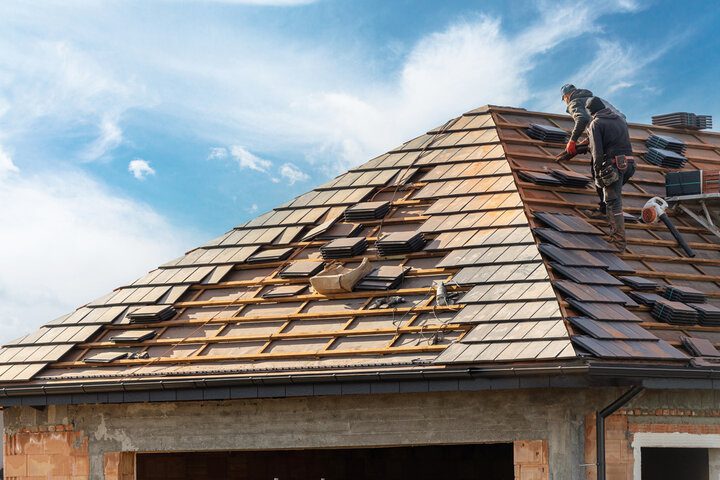
Roof replacement timing plays a critical role in the long-term durability, cost efficiency, and performance of commercial and multi-family buildings. In a climate like Brownstown, MI and the greater Southeast Michigan region, choosing the right season for a roof replacement project can significantly impact construction schedules and structural outcomes. For developers and general contractors planning new builds or major renovations, understanding the best time for roof replacement in Brownstown, MI is essential for protecting structural wood framing, maintaining timelines, and optimizing budgets.
Kincaid Construction Company, a specialized commercial framing and rough carpentry contractor based in Brownstown, Michigan, supports large-scale construction projects throughout Southeast Michigan. With decades of experience in structural wood framing for multi-family, hospitality, and commercial buildings, the company understands how roofing timelines intersect with framing schedules and overall project sequencing. Strategic planning ensures roofing systems are installed at the right phase to protect structural integrity and keep developments moving forward efficiently.
In this guide, we explore how Michigan’s seasons influence roofing work, what weather factors to consider, and how commercial project teams can plan roof upgrades and replacements wisely.
Key considerations when determining roof replacement timing include:
- Seasonal weather patterns in Southeast Michigan
- Structural framing completion schedules
- Material lead times and labor availability
- Moisture control and building envelope protection
- Coordination between roofing and framing trades
Understanding Roof Timing in Brownstown MI
Timing a roof replacement in Brownstown requires more than watching the calendar. Southeast Michigan experiences cold winters, humid summers, and transitional seasons that can either support or delay construction activity. Roof systems must be installed under appropriate conditions to ensure proper adhesion, fastening integrity, and long-term performance.
For commercial and multi-family projects, roof replacement often coincides with broader structural improvements. In these cases, timing becomes even more critical. Roofing must follow framing milestones, mechanical rough-ins, and decking installation. If roofing is installed too early or too late, it can create workflow disruptions or expose structural framing to unnecessary moisture.
Brownstown Township, located in Wayne County, faces weather fluctuations that directly influence construction windows. Project managers must account for:
- Freeze-thaw cycles that affect materials
- Spring rainfall and potential flooding
- Summer heat that may impact crews and adhesives
- Early fall storms and high winds
- Winter snow accumulation and ice dam risks
A properly timed roof replacement protects both the building envelope and the structural wood framing underneath. For large-scale developments such as apartment complexes or hospitality projects, the roof is a critical barrier that safeguards months of framing labor and material investment.
In commercial settings, roofing is rarely an isolated task. It’s integrated into a broader construction timeline that may involve multiple buildings or phased occupancy. Understanding optimal timing allows developers to align roofing with inspection schedules, financing milestones, and tenant delivery dates.
Key advantages of strategic timing include:
- Reduced weather-related delays
- Improved material performance
- Lower risk of water damage
- Better coordination with framing crews
- Greater overall project efficiency
How Michigan Seasons Impact Roof Work Schedules
Michigan’s four-season climate creates distinct construction windows throughout the year. Each season presents opportunities and challenges for roof replacement in Brownstown and surrounding communities such as Taylor, Trenton, and Woodhaven.
Winter in Southeast Michigan can be harsh. Snow accumulation, freezing temperatures, and limited daylight hours make roof replacement more complicated. Certain roofing materials require minimum temperature thresholds for installation, especially when adhesives or sealants are involved. Additionally, snow and ice create safety hazards for crews working at height.
Winter limitations often include:
- Frozen substrates affecting material bonding
- Increased labor time due to safety precautions
- Potential weather shutdowns
- Limited inspection availability
- Higher risk of moisture intrusion during thaw cycles
Spring introduces milder temperatures, but it also brings increased rainfall. While moderate temperatures can support roofing work, unpredictable storms may disrupt schedules. Saturated roof decks can delay installation until surfaces dry adequately. However, spring remains a popular time for initiating roof replacement projects due to improving conditions.
Summer provides long daylight hours and generally stable weather, making it a productive season for commercial construction. However, extreme heat and humidity can impact worker safety and certain roofing materials. Project managers must plan for heat mitigation strategies and ensure materials are stored correctly to avoid degradation.
Fall is often considered ideal for roof replacement in Brownstown. Cooler temperatures and lower humidity create favorable installation conditions. Before winter arrives, replacing aging roofing systems ensures buildings are protected from snow loads and ice formation.
Seasonal comparison at a glance:
- Winter: Challenging, limited installations
- Spring: Moderate temperatures, rain risks
- Summer: High productivity, heat considerations
- Fall: Optimal balance of temperature and stability
Selecting the best season depends on project scale, material type, and coordination with framing and structural phases.
Spring vs Fall for Roof Replacement Projects
When evaluating the best time for roof replacement in Brownstown, MI, spring and fall consistently emerge as strong contenders. Both seasons offer moderate temperatures that support proper installation while minimizing extreme weather disruptions.
Spring roof replacement projects benefit from warming conditions after winter. Contractors can address damage caused by snow and ice, and developers can prepare properties for peak leasing or occupancy seasons. However, spring weather in Southeast Michigan can be unpredictable. Rain events may require flexible scheduling and contingency planning.
Spring advantages include:
- Repairing winter damage early
- Mild daytime temperatures
- Preparing properties for summer occupancy
- Improved contractor availability compared to peak summer
- Opportunity to bundle roofing with other seasonal upgrades
Fall is widely regarded as one of the best times for roof replacement in Brownstown. The consistent temperatures allow shingles, membranes, and other materials to seal properly. Completing roof work before winter reduces the risk of ice dams and interior moisture damage.
Fall benefits include:
- Stable, cooler weather
- Optimal material performance
- Reduced humidity
- Preparing structures for snow season
- Efficient alignment with year-end project goals
For large commercial projects, the decision between spring and fall often depends on structural readiness. Roofing cannot proceed until structural wood framing and sheathing are complete and inspected. Coordinating these phases is where experienced framing contractors provide significant value.
Kincaid Construction Company works closely with project partners to ensure framing milestones are achieved in time to capitalize on ideal roofing seasons. Proper sequencing protects framing materials and keeps developments on track.
Weather Risks to Consider in Southeast MI
Weather risks in Southeast Michigan go beyond simple temperature changes. Developers and contractors must anticipate wind events, hailstorms, heavy rain, and snow accumulation that can affect both installation and long-term performance.
High winds pose a particular challenge during roof replacement. Partially completed roofing systems are vulnerable to uplift forces. Planning around wind forecasts and securing materials properly reduces exposure during installation.
Common weather risks in Brownstown and surrounding areas include:
- Sudden thunderstorms
- Hail damage to exposed materials
- High wind gusts
- Rapid temperature swings
- Heavy snow loads in winter
Moisture intrusion remains one of the greatest threats to structural integrity. If roofing is delayed or improperly sequenced, exposed wood framing can absorb moisture. Over time, this may lead to warping, mold growth, or compromised structural capacity.
Preventative strategies include:
- Temporary weatherproofing during phased installations
- Moisture monitoring for wood framing
- Scheduling around extended forecasts
- Rapid dry-in after decking installation
- Close coordination between roofing and framing trades
Large-scale commercial buildings often have expansive roof surfaces. This increases exposure during replacement. A carefully phased approach ensures sections are completed and sealed efficiently, minimizing vulnerability.
By understanding local climate patterns, project teams can reduce risks and avoid costly delays. Early planning is especially important in areas like Brownstown Township, where seasonal weather transitions can occur quickly.
Planning Large-Scale Roof Upgrades Wisely
Roof replacement for commercial or multi-family buildings is rarely a simple tear-off and reinstall process. It often intersects with structural upgrades, code compliance improvements, and energy efficiency enhancements.
In large developments, roofing may coincide with structural wood framing expansions, additions, or retrofits. Proper sequencing ensures the roof deck is supported adequately and aligned with load-bearing calculations. This is especially important in hospitality and multi-family projects where occupancy loads and building codes are stringent.
Strategic planning for large-scale roof upgrades includes:
- Reviewing structural framing capacity
- Coordinating inspections and permits
- Aligning roofing with mechanical installations
- Scheduling phased completion for multi-building campuses
- Evaluating energy-efficient roofing systems
Developers in Southeast Michigan must also consider project financing and tenant commitments. Roof replacement timing can influence occupancy dates and lease agreements. Starting too late in the season may introduce winter-related delays.
For properties located in Brownstown and nearby communities, early consultation with framing and construction professionals ensures roof upgrades integrate smoothly into broader development goals. This collaborative planning model reduces rework and protects investments.
Efficient roof replacement planning supports:
- Long-term building durability
- Compliance with updated codes
- Enhanced energy performance
- Controlled construction costs
- Predictable project timelines
Partnering with Local Framing Experts for Better Results
Roof replacement success depends heavily on the structural framing beneath it. The roof deck and support system must be properly engineered, installed, and inspected before final roofing materials are applied.
Kincaid Construction Company, based in Brownstown, Michigan, specializes in structural wood framing and rough carpentry for multi-family housing, hospitality developments, and commercial buildings throughout Southeast Michigan. Their expertise ensures framing systems are aligned, secure, and prepared to support durable roofing assemblies.
Framing expertise contributes to better roof replacement outcomes by:
- Ensuring accurate load distribution
- Providing stable roof decking installation
- Coordinating timelines with roofing trades
- Supporting large-scale phased construction
- Reducing risk of structural movement or settling
In commercial projects, communication between framing contractors, general contractors, and roofing professionals is critical. Delays in one phase can affect the entire construction sequence. Working with experienced framing experts allows developers to maintain momentum while protecting structural integrity.
Choosing the best time for roof replacement in Brownstown, MI ultimately requires a holistic approach. Weather, structural readiness, labor availability, and project goals must align. When framing and roofing schedules are carefully coordinated, projects move efficiently and buildings perform reliably for years to come.
Frequently Asked Questions
What does a commercial framing contractor do on large-scale construction projects?
A commercial framing contractor installs the structural wood framework that forms the skeleton of multi-family, hospitality, and commercial buildings. This includes wall systems, floor assemblies, roof trusses, and sheathing. Kincaid Construction Company serving Southeast Michigan collaborates with developers and general contractors to ensure structural framing is precise, code-compliant, and aligned with overall project timelines.
How does rough carpentry differ from finish carpentry in commercial buildings?
Rough carpentry focuses on structural components such as framing, blocking, and roof decking that are not typically visible once construction is complete. Finish carpentry involves detailed aesthetic elements like trim and cabinetry. In large-scale projects across Southeast Michigan, Kincaid Construction Company specializes in rough carpentry that supports the building’s structural integrity and prepares it for subsequent trades.
When should structural wood framing be completed before roof installation?
Structural wood framing and roof decking should be fully installed, aligned, and inspected before roofing materials are applied. This ensures proper load distribution and attachment performance. On commercial projects in Brownstown and surrounding areas, framing completion milestones are coordinated carefully to allow roofing crews to proceed efficiently and protect the building envelope.
How do weather conditions affect commercial framing timelines in Michigan?
Weather in Southeast Michigan can significantly impact framing schedules. Rain and snow introduce moisture concerns, while high winds may affect crane operations and material handling. Experienced contractors like Kincaid Construction Company plan framing phases strategically to minimize exposure and maintain steady progress throughout changing seasons.
What role does a framing subcontractor play in multi-family developments?
A framing subcontractor is responsible for constructing the structural skeleton of each building within a development. This includes walls, floors, and roof support systems. In multi-family projects across Southeast Michigan, Kincaid Construction Company works closely with general contractors to ensure framing is completed efficiently, supporting tight construction timelines and occupancy goals.
How can developers keep large-scale construction projects on schedule?
Maintaining clear communication, detailed scheduling, and proactive coordination between trades is essential. Aligning framing, roofing, mechanical, and inspection phases reduces delays. Kincaid Construction Company serving Southeast Michigan emphasizes precise sequencing and collaboration to help developers keep commercial and multi-family projects moving forward smoothly.
Why is structural wood framing important for roof performance?
The roof system depends on a stable, accurately constructed wood framing structure to maintain long-term durability. Improper framing alignment can lead to uneven loads or premature roofing wear. By ensuring high-quality structural wood framing, Kincaid Construction Company supports reliable roof performance across large commercial developments in Southeast Michigan.
How early should contractors plan roof replacement in a commercial renovation?
Roof replacement planning should begin during early design and budgeting phases. This allows teams to assess structural conditions, review load requirements, and align schedules with seasonal considerations. In Southeast Michigan, proactive planning with experienced framing professionals helps ensure roofing upgrades are executed efficiently and without unnecessary disruption to overall construction progress.