
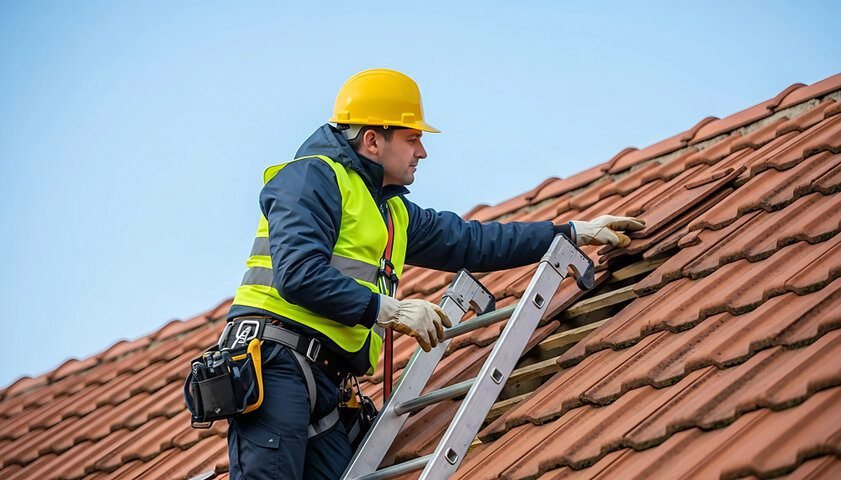
Commercial roof inspections are a critical component of protecting structural investments, maintaining safety standards, and preventing costly delays. In Brownstown, Michigan and surrounding communities such as Trenton, Woodhaven, and Taylor, seasonal weather patterns significantly influence the best time to inspect roofs. For commercial buildings, multi-family developments, and hospitality properties, timing roof inspections correctly can make the difference between minor repairs and major reconstruction.
While Kincaid Construction Company is widely recognized as a commercial framing and rough carpentry contractor serving developers and general contractors throughout Southern California, the principles of structural performance and seasonal planning apply across markets. Understanding when to inspect roofs in climates like Southeast Michigan helps developers and construction professionals make informed decisions that protect long-term structural integrity.
Below, we explore the ideal timing for roof inspections in Brownstown, how Michigan’s climate impacts commercial structures, and how proper scheduling supports broader construction timelines.
Why Timing Matters for Roof Inspections in Brownstown
In Brownstown, seasonal weather extremes create unique challenges for commercial roofs. From heavy snowfall in winter to spring thaw cycles and summer storms, roofing systems experience ongoing stress. Inspecting at the right time allows property owners and developers to identify structural concerns before they escalate.
Commercial roof systems, particularly those integrated with structural wood framing, depend on early detection of issues such as moisture intrusion, membrane damage, or load-related stress. In climates like Southeast Michigan, timing inspections strategically reduces risk and improves building performance.
Key reasons timing matters include:
- Preventing water intrusion during freeze-thaw cycles
- Identifying structural movement after snow loads
- Addressing drainage issues before heavy spring rainfall
- Coordinating repairs before peak construction seasons
If inspections are delayed until visible damage appears inside the building, the underlying structural components may already be compromised. For large-scale properties, this can disrupt tenant occupancy, delay construction schedules, or increase liability.
Developers and general contractors understand that proactive inspection planning supports predictable budgets. Just as structural framing schedules must align with overall project timelines, roof inspection timing should align with environmental conditions and operational demands.
In Brownstown and nearby areas like 48183, spring and fall typically offer optimal inspection windows. These transitional seasons provide safer access conditions and clearer visibility of damage.
Spring and Fall: Ideal Inspection Seasons
For commercial properties in Brownstown, spring and fall are generally the best times to inspect roofs. These seasons provide moderate temperatures, safer roof access, and the opportunity to evaluate damage caused by extreme seasonal shifts.
Spring inspections are particularly valuable after Michigan winters. Snow accumulation, ice dams, and freeze-thaw expansion can stress roofing systems. By scheduling inspections in early to mid-spring, property owners can address issues before heavy summer storms arrive.
Benefits of spring inspections:
- Assessment of winter snow load impact
- Identification of cracked membranes from freeze cycles
- Inspection of drainage systems after snowmelt
- Early repair scheduling before peak contractor demand
Fall inspections, on the other hand, prepare commercial roofs for the upcoming winter. This proactive step ensures drainage systems are clear and membranes are intact before snow and ice accumulate.
Fall inspection advantages include:
- Clearing debris from gutters and drains
- Checking flashing and sealing around penetrations
- Reinforcing vulnerable areas before snow season
- Avoiding emergency winter repairs
From a construction management standpoint, these transitional seasons also align well with broader project planning cycles. In large-scale commercial construction, predictable inspection schedules reduce unexpected disruptions.
Moderate weather conditions during spring and fall allow inspectors to perform more accurate evaluations. Extreme heat can soften certain materials, while freezing temperatures may conceal underlying issues. Choosing temperate months improves diagnostic accuracy and worker safety.
How Michigan Winters Impact Commercial Roofs
Michigan winters are known for heavy snowfall, ice accumulation, and fluctuating temperatures. For commercial roofs in Brownstown, these conditions create repeated stress cycles that can compromise structural systems over time.
Snow load is a primary concern. Accumulated snow increases downward pressure on roof decks and supporting framing. While well-designed structures account for regional load requirements, prolonged accumulation or drifting can create uneven distribution.
Winter-related roof risks include:
- Ice dam formation along roof edges
- Expansion and contraction from freeze-thaw cycles
- Membrane brittleness in extreme cold
- Blocked drainage systems from frozen debris
Freeze-thaw cycles are particularly damaging. When moisture enters small cracks and freezes, it expands. Repeated cycles widen gaps and weaken protective barriers. Over time, this can allow water to infiltrate insulation and structural components.
For commercial buildings with structural wood framing systems, moisture management is essential. Prolonged exposure to trapped moisture can affect performance and durability. Early spring inspections help confirm that no hidden water damage remains after winter conditions subside.
Developers planning new projects in Southeast Michigan often factor winter conditions into scheduling decisions. Similar to how Kincaid Construction Company coordinates structural framing activities around environmental conditions in Southern California, proactive planning in Michigan helps maintain quality and efficiency.
Scheduling Inspections Around Project Timelines
Roof inspections should not occur in isolation. For commercial builders and property developers, inspections must align with overall project milestones, renovation schedules, and tenant occupancy plans.
During new construction, inspections typically occur at key stages:
- After roof deck installation
- Before membrane application
- At substantial completion
- Prior to final occupancy
For existing commercial buildings, inspections often coincide with capital improvement planning or seasonal maintenance programs. Integrating inspections into long-term facility management strategies supports predictable budgeting and reduces emergency expenditures.
Timing inspections strategically can also:
- Prevent project delays caused by surprise repairs
- Improve coordination between subcontractors
- Reduce downtime for occupied properties
- Support warranty compliance requirements
For large-scale developments, coordination between trades is essential. Structural framing, mechanical penetrations, and roofing assemblies must function together as a unified system. Early detection of roof concerns prevents cascading effects that impact other building systems.
In growth regions like Brownstown and nearby communities such as Southgate and Flat Rock, commercial expansion continues to increase. Developers who incorporate routine inspection planning into their lifecycle management approach protect long-term asset value.
Even outside Michigan, construction professionals benefit from strategic inspection planning. Kincaid Construction Company supports scalable structural wood framing solutions across Southern California, working closely with general contractors to ensure building systems align with overall project timelines and performance standards.
Signs Your Brownstown Roof Needs Checking
While seasonal scheduling is ideal, certain warning signs indicate the need for immediate roof inspection regardless of time of year. Recognizing these signals early can prevent structural damage and costly remediation.
Common indicators include:
- Interior water stains on ceilings or walls
- Visible sagging or uneven roof surfaces
- Loose flashing or exposed seams
- Persistent ponding water after rainfall
- Sudden increases in energy costs
Interior leaks often signal more extensive underlying problems. Even minor stains can indicate compromised insulation or decking. Prompt inspection helps determine the root cause before structural components are affected.
Commercial property managers should also monitor drainage systems. Clogged or poorly functioning drains increase the risk of standing water, which accelerates material deterioration. In Michigan’s climate, trapped water can freeze and expand, worsening damage.
In multi-family and hospitality developments, roof performance directly affects occupant comfort and safety. Addressing concerns quickly maintains tenant satisfaction and operational continuity.
Facilities located in 48134 and nearby Brownstown areas should remain particularly attentive during seasonal transitions. These periods often reveal hidden damage that accumulated during extreme weather conditions.
Partnering With Experts for Timely Assessments
Commercial roof inspections require experience, technical knowledge, and an understanding of structural systems. Partnering with qualified professionals ensures accurate assessments and appropriate recommendations.
An experienced inspection team will:
- Evaluate structural load performance
- Inspect drainage and waterproofing systems
- Identify early-stage deterioration
- Provide actionable repair recommendations
- Document findings for compliance and planning
For large-scale commercial developments, coordination between roofing professionals and structural contractors is especially important. Roofing performance directly interacts with framing systems, insulation, and building envelopes.
While Kincaid Construction Company operates in Southern California, the company’s expertise in structural wood framing and rough carpentry highlights the importance of integrated building systems. Developers and general contractors rely on precise structural execution to support long-term roof performance.
Timely assessments reduce risk and support efficient project delivery. Whether in Brownstown or growing commercial markets throughout Southeast Michigan, proactive inspection strategies protect investments and maintain structural integrity.
By scheduling inspections during optimal seasons, monitoring warning signs, and coordinating with experienced professionals, commercial property owners can extend roof lifespan and minimize costly disruptions.
Frequently Asked Questions
What does a commercial framing contractor do on large-scale projects?
A commercial framing contractor is responsible for constructing the structural framework of buildings, including walls, floors, and roof systems. Kincaid Construction Company serving Southern California specializes in structural wood framing for multi-family, hospitality, and large commercial projects. Their role involves interpreting plans, coordinating with other trades, and ensuring structural components meet engineering and code requirements while maintaining project timelines.
How does rough carpentry differ from finish carpentry in commercial construction?
Rough carpentry focuses on structural elements such as framing, roof trusses, blocking, and sheathing, which form the building’s skeleton. Finish carpentry involves aesthetic details like trim and cabinetry. Kincaid Construction Company serving Southern California concentrates on structural wood framing and rough carpentry, ensuring that large-scale developments have a precise and durable structural foundation before interior finishes begin.
When should structural wood framing inspections occur during construction?
Structural wood framing inspections typically occur after framing is complete but before insulation and drywall installation. This allows inspectors to verify code compliance, structural integrity, and proper load distribution. On Southern California projects, Kincaid Construction Company coordinates closely with general contractors to align framing inspections with broader construction milestones, helping avoid costly delays.
Why is structural wood framing popular for multi-family and hospitality projects?
Structural wood framing is efficient, cost-effective, and adaptable to various architectural designs. It allows for faster construction timelines while meeting performance requirements for large-scale developments. Kincaid Construction Company serving Southern California leverages decades of experience to deliver scalable wood framing solutions that support complex multi-family and hospitality construction projects.
How do framing subcontractors coordinate with roofing contractors?
Framing subcontractors construct the roof deck and supporting structure, while roofing contractors install membranes and waterproofing systems. Clear communication ensures proper alignment of penetrations, load calculations, and drainage slopes. Kincaid Construction Company works collaboratively with project teams across Southern California to ensure roof-supporting structures meet engineering specifications and long-term performance goals.
What factors affect construction timelines for large commercial buildings?
Construction timelines are influenced by design complexity, permitting, material availability, weather conditions, and subcontractor coordination. Efficient scheduling and early collaboration help mitigate delays. Kincaid Construction Company supports developers and general contractors throughout Southern California by delivering reliable structural framing services that align with demanding project schedules.
How does climate impact structural framing performance?
Climate affects moisture levels, material expansion, and long-term durability. Proper design, material selection, and protective systems are essential for performance in any region. While Southern California projects differ from Michigan climates, Kincaid Construction Company applies best practices in structural wood framing to ensure resilience, code compliance, and consistent quality across diverse environments.
What should developers look for when hiring a commercial framing partner?
Developers should prioritize experience, safety standards, proven project history, and the ability to scale for large developments. Clear communication and schedule reliability are also essential. Kincaid Construction Company serving Southern California partners with general contractors and builders to deliver precise structural wood framing solutions tailored to multi-family, hospitality, and commercial construction needs.