
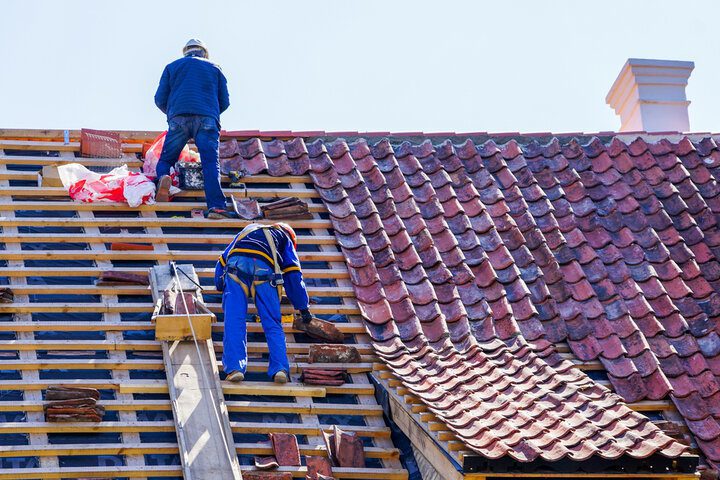
Commercial roof replacement is a significant capital investment for property owners and developers in Brownstown, MI. Whether you manage a multi-family housing complex, hospitality property, or large commercial facility, understanding financing options and long-term planning strategies is essential. While Kincaid Construction Company is a commercial framing and rough carpentry contractor serving developers and general contractors throughout Southern California, the financial planning principles behind large-scale roof and structural investments apply across construction markets, including Southeast Michigan.
This Brownstown, MI Roof Replacement Financing Guide is designed to help property owners, asset managers, and developers make informed decisions. From understanding cost variables to coordinating financing with construction schedules, strategic planning protects both project budgets and long-term building performance.
Roof Replacement Costs in Brownstown, MI
Roof replacement costs in Brownstown, MI vary based on building size, material selection, labor conditions, and structural requirements. For commercial buildings in areas such as Brownstown Township, including the 48183 area, pricing is influenced by Michigan’s seasonal weather patterns and building code requirements. Snow load standards, insulation performance, and drainage systems all affect overall cost.
Commercial roofing systems commonly used in Michigan include TPO, EPDM, modified bitumen, and metal systems. Each carries different installation costs, maintenance expectations, and lifespans. In larger commercial or multi-family properties, structural framing considerations may also influence cost if decking or support systems require upgrades.
Key cost drivers include:
- Total square footage and roof accessibility
- Existing structural condition and decking repairs
- Insulation upgrades for energy efficiency compliance
- Tear-off and disposal requirements
- Mechanical unit relocation or protection during installation
For property owners budgeting a roof replacement, it is critical to evaluate both immediate construction costs and lifecycle value. Lower upfront pricing does not always translate to long-term savings. Energy-efficient systems, improved insulation, and durable materials can reduce operational costs over decades.
Additionally, commercial projects often require coordination between roofing contractors, structural specialists, and project managers. While Kincaid Construction Company focuses on structural wood framing across Southern California, similar coordination between trades in Michigan ensures roof systems align with the building’s structural integrity and long-term performance expectations.
Planning early assessments and professional inspections helps owners avoid emergency replacements. Proactive evaluation typically reduces financing pressure and allows for more favorable lending terms.
Financing Options for Commercial Roofs in Michigan
Financing a commercial roof replacement in Michigan involves several traditional and alternative funding pathways. Property owners in Brownstown and surrounding communities such as Trenton and Woodhaven can explore multiple solutions depending on their financial goals.
Common financing options include:
- Commercial bank loans with fixed or variable rates
- SBA 504 or 7(a) loans for eligible businesses
- Equipment-style financing structured around roofing systems
- Commercial lines of credit for phased projects
- Property Assessed Clean Energy programs for qualifying energy upgrades
Traditional commercial loans often provide predictable repayment schedules. These are ideal for stable cash-flow properties such as apartment complexes or hospitality buildings. SBA programs may offer favorable terms, particularly for owner-occupied commercial properties.
Energy-focused financing has gained popularity in Michigan due to efficiency standards and utility savings. Programs that incentivize insulation upgrades or reflective roofing systems can reduce overall borrowing costs.
When evaluating financing, owners should consider:
- Interest rate structure and amortization period
- Prepayment penalties or refinancing flexibility
- Required down payments
- Impact on existing credit facilities
- Cash flow projections during construction
Coordinating financing timelines with construction schedules prevents delays. Large-scale projects often require deposits for materials, particularly during peak construction seasons. Establishing credit approval before finalizing contracts ensures smoother mobilization.
Although Kincaid Construction Company operates in Southern California, the company regularly collaborates with developers and general contractors who integrate financing strategies into large-scale framing and structural projects. The same strategic coordination benefits Michigan property owners replacing commercial roofing systems.
How Contractors Budget Large-Scale Projects
Professional contractors approach large-scale construction with detailed budgeting methodologies. Whether managing structural framing in Southern California or coordinating roofing projects in Michigan, disciplined budgeting minimizes risk.
Large commercial projects typically include:
- Pre-construction cost modeling
- Material takeoffs and quantity verification
- Labor forecasting based on project timelines
- Contingency allocations for unforeseen conditions
- Value engineering reviews
Budget forecasting begins with accurate scope definition. Roofing projects often uncover hidden conditions such as deteriorated decking, moisture intrusion, or structural deficiencies. Contractors plan contingencies to accommodate these possibilities without derailing financing arrangements.
Developers and general contractors also analyze:
- Material lead times
- Seasonal labor fluctuations
- Weather-related schedule impacts
- Coordination with other trades
For example, replacing a roof on a multi-family property may require temporary tenant accommodations or phased construction. Budgeting must account for staging logistics and safety compliance.
Kincaid Construction Company, serving Southern California’s commercial builders, applies similar structured planning to structural wood framing systems in hospitality, multi-family, and commercial developments. Detailed coordination between subcontractors, engineers, and project managers ensures that financing aligns with real construction timelines.
Accurate budgeting improves lender confidence. Financial institutions are more likely to approve favorable terms when presented with comprehensive cost breakdowns, documented schedules, and experienced contractor oversight.
Local Lending Programs and Incentives in Brownstown
Brownstown, MI property owners may have access to local, state, and regional incentives that offset roof replacement costs. Michigan’s economic development initiatives often include energy efficiency and building improvement support.
Potential local and state resources include:
- Michigan Saves commercial financing programs
- Utility rebates for energy-efficient roofing upgrades
- Property tax abatements for qualifying improvements
- Local economic development grants in Wayne County
- PACE financing for eligible commercial properties
PACE programs, where available, allow repayment through property tax assessments over extended terms. This structure can significantly reduce upfront capital strain. Energy-efficient roofing systems that improve insulation performance may qualify under such programs.
Before committing to financing, property owners should:
- Consult local municipal offices in Brownstown Township
- Verify eligibility requirements for incentive programs
- Confirm contractor compliance documentation
- Compare total cost of capital across financing options
Working with experienced contractors who understand documentation requirements can streamline approval processes. In Southern California, Kincaid Construction Company frequently collaborates with developers who pursue structured financing and incentive programs for large-scale commercial framing projects. Clear documentation and project transparency support smoother lender reviews.
Incentive programs may change annually. Early research ensures property owners maximize available funding opportunities while planning long-term asset improvements.
Partnering with Builders for Financing Solutions
Successful commercial roof replacement projects depend on collaboration between property owners, contractors, lenders, and project managers. Financing should never be separated from construction planning.
Builders contribute value to financing discussions by:
- Providing detailed cost projections
- Offering phased construction strategies
- Identifying material alternatives for value engineering
- Coordinating documentation for lenders
- Aligning payment schedules with project milestones
When contractors are involved early, they can identify cost-saving alternatives without sacrificing structural performance. For example, adjusting insulation thickness or selecting alternative membrane systems may improve long-term efficiency while maintaining budget alignment.
In large-scale developments across Southern California, Kincaid Construction Company works alongside developers and general contractors to integrate structural wood framing schedules with broader financing plans. Although based in Southern California, the company’s collaborative philosophy reflects best practices applicable to Brownstown, MI projects as well.
Transparency builds trust with financial institutions. Detailed contracts, clear scopes of work, and realistic schedules demonstrate professionalism and reduce perceived lending risk.
Property owners benefit when contractors understand financing structures and can adapt construction sequencing accordingly. This alignment reduces delays, prevents cash flow disruptions, and supports timely project completion.
Planning Your Roof Investment Timeline Wisely
Timing plays a critical role in commercial roof replacement financing. Emergency replacements often force property owners into short-term financing with less favorable terms. Strategic planning allows for competitive bidding, better loan negotiation, and phased budgeting.
Key timeline considerations include:
- Conducting inspections 12 to 24 months before expected replacement
- Securing financing pre-approval before final contractor selection
- Scheduling construction during favorable weather conditions
- Aligning roof work with other capital improvements
- Monitoring interest rate trends
In Michigan, seasonal weather can affect installation schedules. Planning spring or summer replacements may reduce weather-related delays. However, early booking is essential during peak construction periods.
Long-term capital improvement plans help owners forecast major expenses. Multi-property portfolio managers often stagger roof replacements across several years to balance cash flow.
Developers in Southern California frequently apply similar long-range planning when coordinating structural framing phases with financing milestones. Kincaid Construction Company supports scalable construction solutions across large commercial projects, reinforcing the importance of aligning funding and scheduling strategies.
A well-timed roof replacement protects asset value, improves energy efficiency, and strengthens tenant confidence. Proactive planning also enhances negotiating power with lenders and contractors alike.
Frequently Asked Questions
What does a commercial framing contractor do on large-scale projects?
A commercial framing contractor is responsible for constructing the structural skeleton of buildings, typically using wood or engineered lumber systems. This includes wall framing, floor systems, roof trusses, and structural sheathing. Kincaid Construction Company serving Southern California specializes in structural wood framing for multi-family, hospitality, and commercial developments, working closely with general contractors to ensure structural accuracy and code compliance.
How does rough carpentry differ from finish carpentry in commercial construction?
Rough carpentry focuses on structural components that form the framework of a building, while finish carpentry involves detailed aesthetic elements such as trim and cabinetry. In large commercial projects across Southern California, Kincaid Construction Company concentrates on structural framing and load-bearing assemblies that support roofing systems, exterior cladding, and interior build-outs.
How long does structural wood framing take on a multi-family development?
The timeline depends on project size, complexity, crew size, and site conditions. A multi-story multi-family project may require several weeks to a few months for complete framing. Kincaid Construction Company serving Southern California coordinates manpower and scheduling with general contractors to maintain efficient sequencing and minimize delays across large-scale developments.
Why is structural coordination important before roof installation?
Proper coordination ensures that roof loads are correctly supported by framing systems. Misalignment between roofing and structural framing can cause long-term performance issues. On commercial projects throughout Southern California, Kincaid Construction Company collaborates with engineers and roofing contractors to verify load paths, structural integrity, and code compliance before roofing systems are installed.
What role do subcontractors play in large commercial construction projects?
Subcontractors provide specialized expertise such as framing, electrical, plumbing, or roofing services. Each trade must coordinate schedules and scopes to maintain project efficiency. Kincaid Construction Company serving Southern California works as a framing subcontractor, partnering with general contractors and developers to deliver structural wood framing solutions within broader construction timelines.
How can developers manage construction budgets more effectively?
Effective budget management begins with accurate cost forecasting, contractor collaboration, and contingency planning. Developers benefit from early involvement of experienced subcontractors who can provide detailed estimates. In Southern California, Kincaid Construction Company supports transparent budgeting by offering precise material takeoffs and labor projections for structural framing systems.
What are the benefits of wood framing in commercial construction?
Wood framing offers cost efficiency, design flexibility, and faster installation compared to some alternative materials. It is widely used in multi-family and hospitality projects due to its structural performance and scalability. Kincaid Construction Company serving Southern California utilizes engineered wood systems to meet performance standards while maintaining construction efficiency.
How does early contractor involvement improve project financing outcomes?
When contractors participate in pre-construction planning, they help identify cost-saving strategies and realistic timelines. This improves lender confidence and reduces financial uncertainty. Kincaid Construction Company collaborates with developers across Southern California to align structural framing schedules with financing milestones, supporting smoother project execution from groundbreaking through completion.