
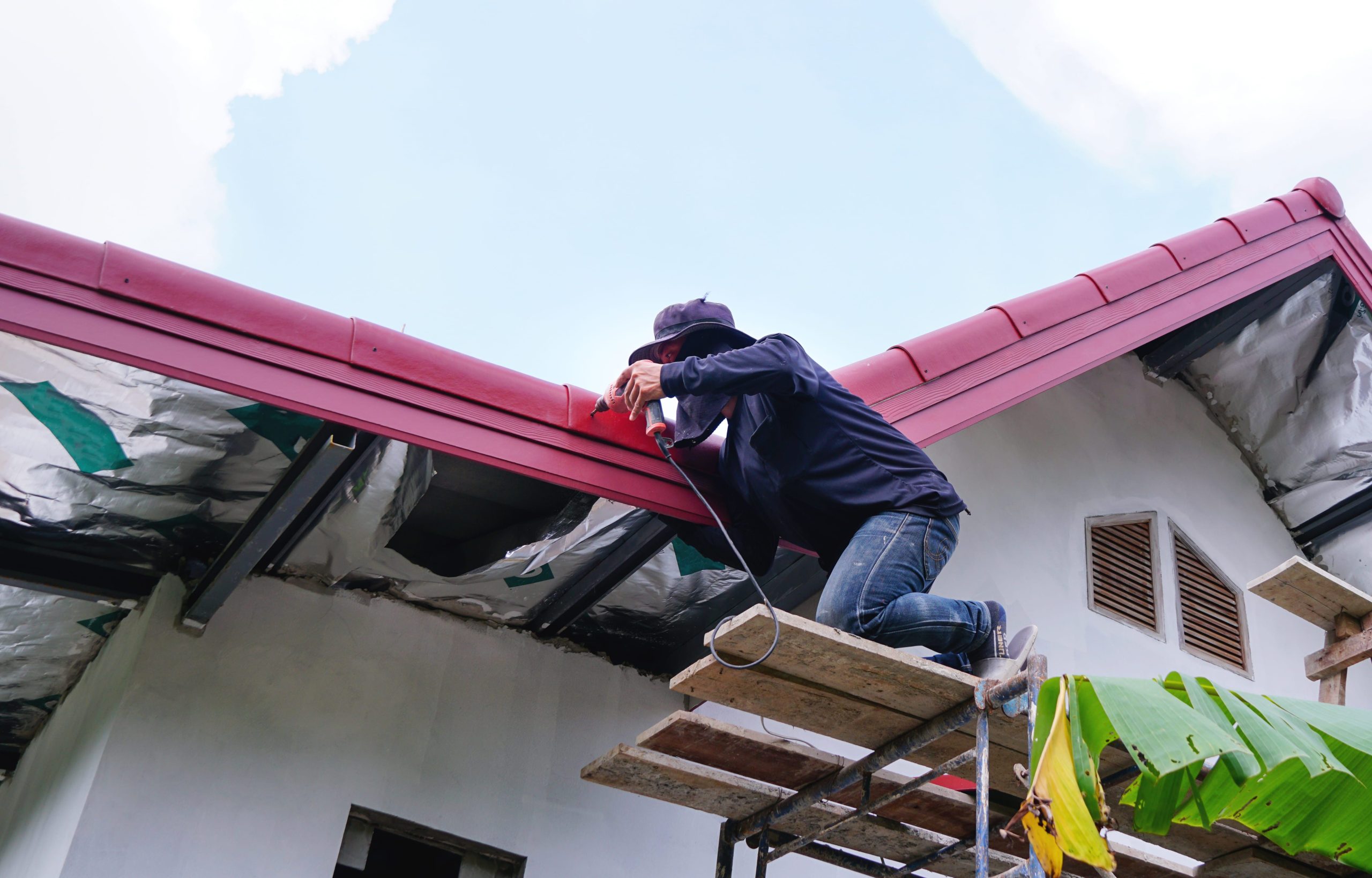
Roof damage rarely announces itself with dramatic warning signs. In most cases, it develops slowly and silently—often starting with issues that are easy to overlook. By the time visible damage appears inside the home, repairs are usually more expensive and more complex.
For homeowners, especially in regions with seasonal storms, heavy rain, or temperature swings, understanding the early signs of hidden roof damage is essential. Catching problems early can be the difference between a minor repair and a full roof replacement.
This guide breaks down the most commonly missed warning signs, what they actually mean, and why they should never be ignored.
Why Hidden Roof Damage Is So Dangerous
A roof is designed to protect everything underneath it—insulation, framing, ceilings, walls, and even the foundation. When damage begins, it doesn’t stay isolated.
Instead, moisture finds its way into small openings and spreads gradually. This leads to:
- Rotting wood structures
- Mold growth in insulation and drywall
- Reduced energy efficiency
- Electrical hazards from water intrusion
- Long-term structural weakening
The biggest challenge is that roof damage often starts where homeowners can’t see it: under shingles, in the attic, or along flashing and joints.
1. Subtle Ceiling Stains or Discoloration
One of the earliest signs of hidden roof damage appears inside the home, not on the roof itself.
What to look for:
- Yellow or brown ceiling spots
- Faint ring-shaped stains
- Slight darkening in corners or near walls
- Paint bubbling or peeling
Why it happens:
These stains often indicate slow water intrusion. Moisture seeps through roofing materials and insulation before finally reaching the ceiling drywall.
Why homeowners miss it:
The stains may appear small or “not spreading,” so they are often ignored. However, even a tiny stain usually means water has already traveled a long distance from the roof surface.
What it can lead to:
- Mold inside ceilings
- Sagging drywall
- Structural weakening of ceiling joists
2. Missing or Damaged Shingles That Go Unnoticed
Shingles are the first line of defense for any roof. Damage here is often invisible from the ground unless you know what to look for.
Warning signs:
- A few shingles appearing uneven or lifted
- Bare patches where granules are missing
- Shingle edges curling upward
- Slight color variations across roof sections
Common causes:
- Wind uplift during storms
- Aging and UV exposure
- Poor installation
- Hail impact
Why it matters:
Even a few missing shingles expose the underlayment to moisture. Once that layer is compromised, leaks develop quickly.
The hidden danger:
Homeowners often assume “a few missing shingles” is minor. In reality, it can be the starting point of widespread water damage.
3. Granules in Gutters or Around the Home
Asphalt shingles are coated with protective mineral granules. Over time, these granules begin to shed.
What to look for:
- Sand-like material in gutters
- Excess buildup around downspouts
- Bald spots on shingles visible from roof edges
What it means:
Granule loss indicates the shingles are aging or have been damaged by hail or heat. Without this protective layer, shingles deteriorate much faster.
Why it’s easy to ignore:
Homeowners often assume gutter debris is normal dirt or roof “aging dust.” However, excessive granule loss is a strong early warning sign of roof failure.
4. Unexplained Increase in Energy Bills
A less obvious sign of roof damage is rising utility costs.
What to notice:
- Higher heating bills in winter
- Increased cooling costs in summer
- Uneven indoor temperatures
- Drafts in upper floors
How the roof is involved:
A damaged roof often leads to poor insulation performance. Gaps, leaks, or wet insulation reduce the home’s ability to regulate temperature.
Hidden connection:
When moisture enters insulation, it compresses and loses effectiveness. That forces HVAC systems to work harder, increasing energy consumption without any obvious cause.
5. Musty Odors in the Attic or Upper Floors
Smell is one of the most overlooked indicators of roof issues.
What it smells like:
- Damp, earthy odor
- Mold-like mustiness
- Persistent stale air in upper rooms
Why it happens:
Moisture entering through roof leaks creates an ideal environment for mold and mildew growth, especially in poorly ventilated attics.
Why it’s dangerous:
By the time odor becomes noticeable, mold may already be spreading across wood beams or insulation.
Important note:
Mold from roof leaks doesn’t stay confined to the attic—it can circulate through HVAC systems and affect indoor air quality.
6. Sagging Roof Sections or Uneven Roof Lines
This is a more advanced but critical warning sign.
What to look for:
- Slight dips in roof shape
- Uneven ridgelines
- Areas that appear “bowed”
- Soft spots when walking on roof (professionals only)
What it indicates:
Sagging often means water has been penetrating for a long time, weakening the structural decking beneath shingles.
Possible causes:
- Long-term moisture buildup
- Rotting roof decking
- Structural stress from heavy snow or debris
Why immediate action is required:
A sagging roof is not just a cosmetic issue—it can indicate structural failure that may worsen rapidly.
7. Damaged or Rusted Flashing Around Roof Features
Flashing is used around chimneys, vents, skylights, and roof edges to prevent water intrusion.
Warning signs:
- Rust spots or corrosion
- Gaps between flashing and roofing material
- Loose or lifted metal strips
- Sealant cracking around joints
Why flashing matters:
Even a perfectly intact roof can leak if flashing fails. These small metal barriers are critical for directing water away from vulnerable areas.
Why it’s often missed:
Flashing damage is usually small and located in hard-to-see areas, making it easy for homeowners to overlook during visual inspections.
8. Water Stains in the Attic
The attic is one of the best places to detect hidden roof damage early.
What to check:
- Dark wood rafters
- Damp insulation
- Water trails or streaks on beams
- Wet spots after rainfall
What it means:
If water is visible in the attic, the roof has already failed in at least one area.
Why it matters:
Attic leaks often go unnoticed for months because homeowners rarely inspect this space regularly. By the time stains appear, damage may already be extensive.
9. Peeling Exterior Paint or Damaged Siding Near the Roofline
Roof problems don’t always stay on the roof.
Warning signs:
- Bubbling paint near the top of exterior walls
- Peeling or cracking siding close to roof edges
- Water marks beneath eaves
Why it happens:
Overflowing gutters, roof leaks, or poor drainage can allow water to run down exterior walls.
Hidden risk:
This type of damage often signals that water is not just leaking—it is actively flowing into areas it should never reach.
10. Frequent Gutter Clogs or Overflow Issues
Gutters are directly connected to roof health.
What to watch for:
- Water spilling over edges during rain
- Gutters pulling away from fascia boards
- Constant debris buildup
- Ice damming in colder seasons
What it may indicate:
- Excess shingle granules from roof deterioration
- Poor roof drainage design
- Hidden roof slope or alignment issues
Why it matters:
When gutters fail, water often backs up under shingles, accelerating roof decay and increasing leak risk.
Why Homeowners Delay Detection (And Why That’s Risky)
Most hidden roof issues go unnoticed for a few common reasons:
- Damage starts small and looks harmless
- Roof areas are hard or unsafe to inspect
- Symptoms appear indoors long after damage begins
- Homeowners assume leaks will be obvious
The problem is that roofs rarely fail suddenly. They decline gradually, and every delay increases repair costs.
The Importance of Professional Roof Inspections
While homeowners can spot early warning signs, professional inspections are essential for accurate diagnosis.
A trained roofing contractor typically checks:
- Shingle condition and lifespan
- Flashing integrity
- Underlayment condition
- Attic moisture levels
- Structural stability
- Drainage efficiency
Regular inspections—especially after storms—help catch issues before they become expensive repairs.
Final Thoughts
Hidden roof damage is one of the most expensive problems a homeowner can face because it often progresses silently. What begins as a small leak or minor shingle issue can eventually lead to structural damage, mold growth, and major repair costs.
By paying attention to early warning signs—like ceiling stains, granule loss, musty odors, and gutter issues—homeowners can act before the damage spreads.
The key is simple: don’t wait for visible leaks. By the time water is dripping inside your home, the real problem has already been developing for a long time.