
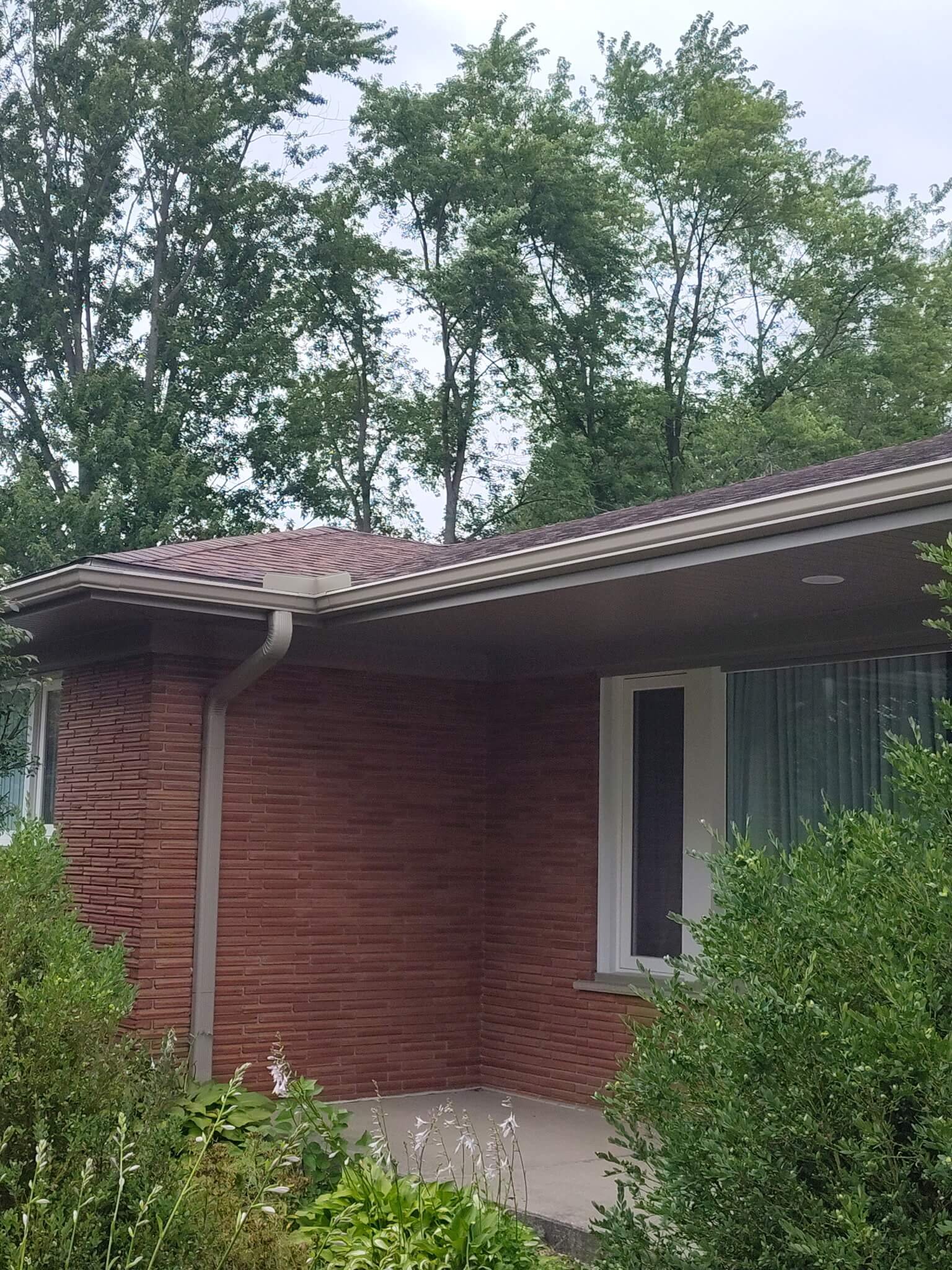
A roof is one of the most important parts of any building. It protects your home from rain, wind, heat, moisture, and other outdoor elements. However, even a well-maintained roof eventually begins to show signs of aging. Shingles may become brittle, lose protective granules, or develop a weathered appearance.
When an aging roof is still structurally sound, complete replacement may not always be the only option. Roof rejuvenation can provide homeowners with another approach to consider. Instead of immediately removing an existing roofing system, rejuvenation treatments are designed to restore flexibility and improve the performance of aging asphalt shingles.
Understanding how this process works, when it may be appropriate, and how it compares with replacement can help homeowners make a more informed decision about roof maintenance.
What Is Roof Rejuvenation?
Roof rejuvenation is a maintenance treatment intended to help extend the useful life of aging asphalt shingle roofs. As shingles age, they gradually lose some of the oils and flexibility that help them withstand changing weather conditions.
A rejuvenation treatment is designed to replenish some of these lost properties and improve the condition of the existing roofing material.
According to the service information provided by Kincaide Construction, its roof life extension service uses a treatment designed to restore flexibility to aging asphalt shingles and help extend their service life. The company positions the process as an alternative to premature roof replacement when the existing system remains a suitable candidate.
Why Do Asphalt Shingles Age?
Asphalt shingles are constantly exposed to environmental conditions. Sunlight, heat, rain, wind, temperature changes, and moisture can gradually affect their performance.
Over time, shingles can lose oils that contribute to flexibility. As they become more brittle, they may be less capable of adapting to temperature changes and other environmental stresses.
Other common signs of aging include:
Loss of granules
Curling or cracking
Brittle shingle surfaces
Faded appearance
Increased vulnerability to weather
General deterioration
Not every aging roof requires immediate replacement. The roof’s underlying structure and overall condition are important factors when determining what options may be appropriate.
How Roof Rejuvenation May Help
A roof rejuvenation treatment is designed to work with existing asphalt shingles rather than replacing the entire roof covering.
The objective is to improve the condition and flexibility of aging materials, helping them continue performing their protective function for a longer period.
Kincaide Construction describes its rejuvenation service as a treatment that can penetrate asphalt shingles and restore oils lost through aging and weather exposure.
The potential benefit is particularly relevant for homeowners who have a roof that is aging but does not yet require complete replacement.
When Should You Consider Roof Rejuvenation?
Timing is an important consideration. Waiting until a roof has severe structural problems may limit the available maintenance options.
Roof rejuvenation may be worth discussing when shingles are showing signs of aging but remain generally intact and the underlying roofing system is still in good condition.
A professional evaluation can help determine whether the roof is a candidate.
Important factors may include:
Roof Age
The age of the roof can help determine whether maintenance or replacement should be considered.
Shingle Condition
If shingles are severely cracked, missing, or extensively deteriorated, rejuvenation may not be appropriate.
Underlying Structure
The roof deck, underlayment, flashing, ventilation, and other components also need to be evaluated.
Existing Leaks
Active or recurring leaks may indicate problems that require repairs or replacement rather than simply a rejuvenation treatment.
Previous Roof Repairs
The history of repairs and maintenance can provide useful information about the roof’s overall condition.
Roof Rejuvenation vs. Roof Replacement
Homeowners often compare rejuvenation with complete roof replacement.
Replacement involves removing existing roofing materials and installing a new roofing system. It may be necessary when the roof has reached the end of its useful life or has extensive damage.
Rejuvenation, on the other hand, works with the existing shingles. It may be considered when the roof is aging but still has enough remaining integrity to benefit from additional maintenance.
Neither option is automatically right for every property.
A roof with widespread damage, structural problems, extensive leaks, or severely deteriorated shingles may require replacement. A roof that is aging but otherwise in reasonable condition may be a candidate for a life-extension treatment.
The right decision should come after a professional inspection.
Potential Benefits of Extending Roof Life
Delays Replacement
One of the primary reasons homeowners explore rejuvenation is to potentially delay a full replacement when the roof remains serviceable.
Protects an Existing Investment
If your current roofing system still has useful life remaining, extending its serviceability may help you get more value from the existing installation.
Reduces Material Waste
Avoiding premature removal can reduce the amount of roofing material sent to landfills.
Supports Preventive Maintenance
Regular roof assessments and maintenance can help homeowners identify problems before they become more expensive.
May Improve Shingle Flexibility
The rejuvenation approach described by Kincaide Construction is intended to restore oils and flexibility to aging asphalt shingles.
Is Roof Rejuvenation a Replacement for Repairs?
No. Roof rejuvenation should not be viewed as a substitute for repairing significant roofing defects.
If your roof has damaged flashing, missing shingles, substantial leaks, exposed decking, or structural problems, those issues need to be evaluated and addressed appropriately.
A rejuvenation treatment is generally intended for aging roofing materials that are still in suitable condition.
Think of it as a maintenance strategy rather than a way to turn a severely damaged roof into a new one.
How Weather Affects Your Roof
Weather conditions play a major role in roof deterioration.
UV exposure can gradually degrade roofing materials. Repeated heating and cooling can cause materials to expand and contract. Rain and moisture can contribute to deterioration when water finds weaknesses in the roofing system.
Strong winds can lift or damage shingles, while severe storms may accelerate existing problems.
Because roofing materials are exposed year-round, preventive maintenance can be an important part of protecting your home.
Signs Your Roof May Need Attention
You do not need to wait for a major leak before checking the condition of your roof.
Watch for:
Shingles that are curling
Cracked or brittle surfaces
Excessive granule accumulation in gutters
Missing roofing materials
Dark or damaged areas
Visible flashing deterioration
Water stains on ceilings
Leaks around roof penetrations
Sagging areas
Some of these signs can be viewed from the ground, but a professional inspection provides a much more complete assessment.
Why Professional Inspection Matters
A roof may look acceptable from the ground while having hidden issues that are not immediately visible.
A qualified roofing professional can assess the condition of shingles and examine other components that contribute to the roof’s performance.
An inspection can help answer important questions:
Is the roof structurally sound?
Are the shingles suitable for rejuvenation?
Are repairs required first?
How much useful life may remain?
Would replacement be more appropriate?
Are ventilation or drainage problems contributing to deterioration?
These answers can help homeowners avoid making a decision based solely on the roof’s appearance.
How to Maintain Your Roof After Rejuvenation
Roof rejuvenation should be considered part of a broader maintenance strategy.
Keep gutters and downspouts clear so water can move away from the roof efficiently. Trim branches that hang directly over the roofing system. Check flashing around chimneys, vents, skylights, and other penetrations.
After severe weather, inspect the property for visible signs of damage.
It is also beneficial to schedule periodic professional inspections, particularly as the roofing system gets older.
Good ventilation is another important factor. Proper attic ventilation can help regulate temperature and moisture levels, supporting the performance of roofing materials.
Choosing a Roof Life Extension Professional
If you are considering a roof rejuvenation service, choose a contractor who will first evaluate whether the treatment is appropriate for your property.
Be cautious of anyone who promises that rejuvenation will make every old roof perform like a brand-new installation. A responsible contractor should explain both the potential benefits and limitations.
Ask about the treatment being used, preparation requirements, expected service life, warranties, maintenance recommendations, and whether repairs are required before application.
Kincaide Construction states that its roof life extension service is intended to help homeowners avoid premature replacement and provides a free assessment to determine whether a roof is a good candidate.
Selling Service Title
Extend Your Roof’s Life and Delay Costly Replacement
If your asphalt shingles are aging but your roof is still structurally sound, a roof rejuvenation service may provide an opportunity to extend its useful life. Rather than replacing a roof prematurely, homeowners can explore whether restoring aging shingles is a practical option.
A professional assessment can determine the condition of your roofing system and whether it may qualify for a life-extension treatment.
Frequently Asked Questions
1. What is roof rejuvenation?
Roof rejuvenation is a maintenance treatment designed to improve the condition of aging asphalt shingles. It is intended for roofs that may still have useful life but are beginning to show signs of aging.
2. Can roof rejuvenation replace a new roof?
Not always. It is not designed to correct severe structural problems, extensive damage, or a roofing system that has reached the end of its serviceable life. An inspection is necessary to determine whether rejuvenation is appropriate.
3. How do I know if my roof is a good candidate?
A professional can evaluate the age, shingle condition, existing damage, leaks, and underlying components. Generally, the roof needs to remain structurally sound and have shingles suitable for treatment.
4. Does roof rejuvenation prevent leaks?
The treatment is not a substitute for repairing existing leaks or damaged roofing components. Any known defects should be professionally evaluated and repaired as needed.
5. How can I extend the life of my roof?
Regular inspections, gutter maintenance, proper attic ventilation, prompt repairs, branch trimming, and professional maintenance can all support the longevity of a roofing system.
Conclusion
Replacing a roof is a significant investment, and homeowners naturally want to get the most useful life possible from their existing roofing system. When asphalt shingles are aging but remain structurally sound, roof rejuvenation may offer an alternative to premature replacement.
The key is timing and professional evaluation. A life-extension treatment is not appropriate for every roof, especially when there is extensive damage or structural deterioration. Understanding the current condition of your roofing system allows you to compare maintenance, repair, and replacement options more confidently.
For homeowners interested in extending the useful life of an aging asphalt shingle roof, Kincaide Construction offers roof rejuvenation services designed to help restore flexibility and delay premature replacement when the roof is a suitable candidate.