
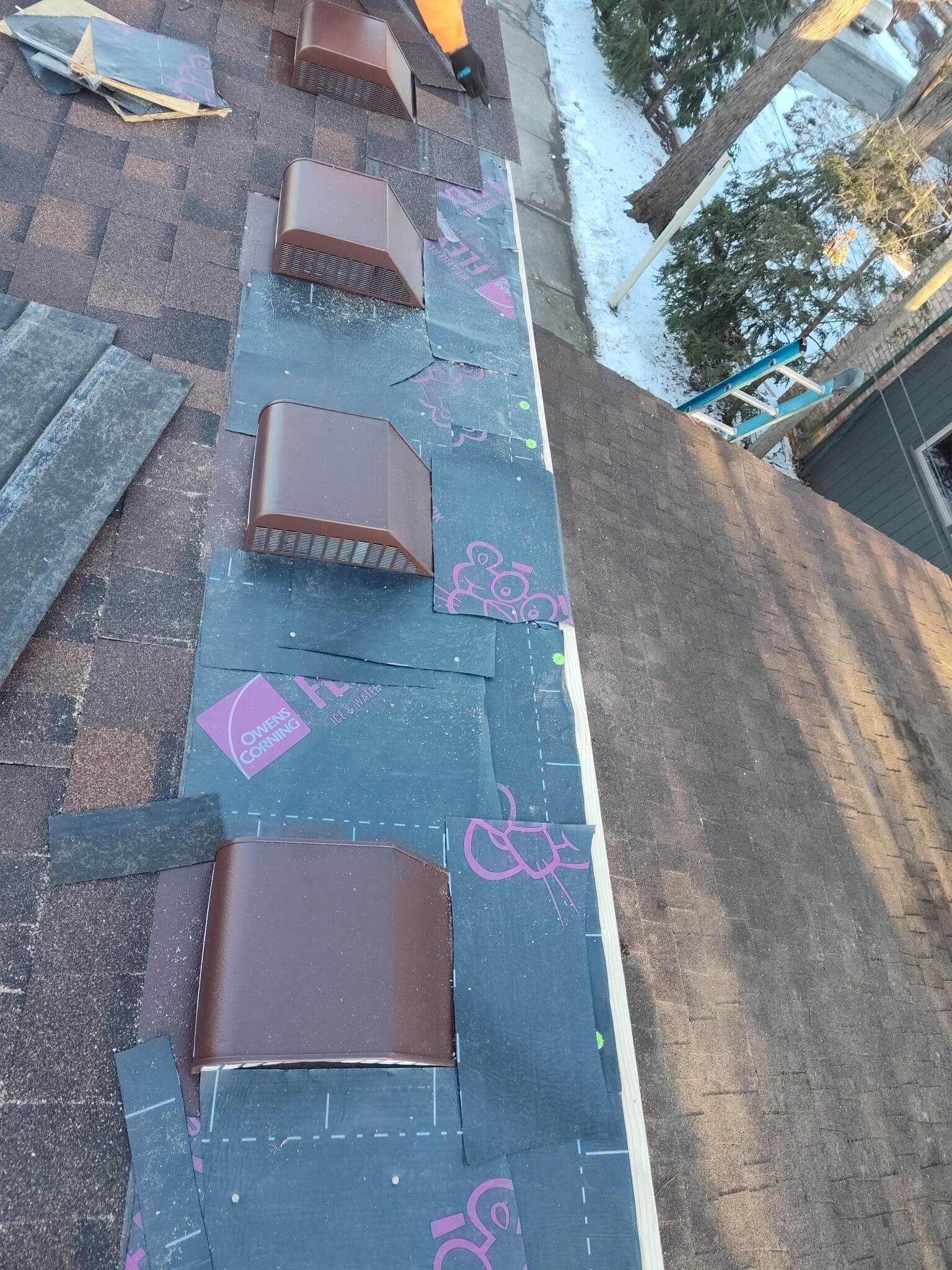
A commercial roof protects your building, employees, equipment, inventory, and daily operations from the elements. But like any part of a commercial property, roofing materials eventually experience wear and damage. The challenge is recognizing when commercial roof repair is needed before a small issue develops into a costly emergency.
Roof problems are not always obvious from inside the building. Some begin as minor cracks, loose flashing, damaged membranes, or drainage problems and gradually become more serious. Regular inspections and prompt attention to warning signs can help extend the life of your roofing system and reduce unexpected repair costs.
Whether you own an office building, retail property, warehouse, industrial facility, or another commercial structure, understanding common roofing problems can help you make informed maintenance decisions.
What Are the Signs of Commercial Roof Damage?
Several warning signs can indicate that your building needs professional attention. Some are visible from the roof, while others may appear inside the property.
Here are some of the most common problems to watch for.
1. Water Leaks or Ceiling Stains
Water intrusion is one of the clearest indications that something is wrong with your roofing system.
Brown or discolored ceiling tiles, damp insulation, peeling paint, or water stains on interior walls may indicate that moisture is entering through the roof assembly.
A leak should not be ignored simply because it appears small. Water can travel along roofing materials and structural components before becoming visible inside the building.
If you notice moisture after heavy rain, contact a roofing professional to determine the source.
2. Damaged or Missing Roofing Materials
Strong winds, hail, storms, falling branches, and normal aging can damage commercial roofing materials.
Depending on the roof type, you may notice:
Torn membrane sections
Cracked materials
Loose panels
Missing shingles
Punctures
Open seams
Damaged flashing
Exposed roofing layers
Even small areas of damage can allow water to penetrate the roofing system. Prompt repairs may prevent the affected area from becoming larger.
3. Pooling Water on the Roof
Flat and low-slope commercial roofs require effective drainage. After rainfall, water should move toward drains, scuppers, or other drainage points rather than remaining on the surface for extended periods.
Standing water can place additional stress on roofing materials and may contribute to leaks, deterioration, and structural concerns.
If you repeatedly see puddles remaining on the roof after precipitation, have the drainage system and roof assembly evaluated.
4. Clogged or Damaged Drains and Gutters
A commercial roofing system depends heavily on proper drainage.
Leaves, dirt, debris, vegetation, and other materials can block drains and gutters. Damaged drainage components can also prevent water from leaving the roof efficiently.
Routine roof maintenance should include checking drainage pathways and removing debris where appropriate.
Keeping these systems clear can reduce the risk of water accumulation and related roofing problems.
Why Is Roof Flashing Important?
Flashing is installed around areas where the roofing system meets walls, curbs, vents, chimneys, penetrations, and other structures.
Because these locations involve transitions, they can be vulnerable to water intrusion when flashing becomes loose, cracked, corroded, or improperly sealed.
Damaged flashing may not immediately cause an obvious interior leak. However, water can gradually enter the assembly and damage insulation, decking, or other components.
During a professional inspection, flashing and roof penetrations should receive careful attention.
5. Blisters, Cracks, or Bubbles
Certain commercial roofing systems can develop surface irregularities as they age.
Bubbles, blisters, cracks, ridges, or other unusual areas may indicate problems involving moisture, adhesion, temperature changes, or material deterioration.
These conditions should not automatically be treated as harmless cosmetic defects. A qualified roofing professional can determine whether the issue requires monitoring, maintenance, repair, or replacement.
Avoid attempting to puncture or repair these areas yourself, as improper work can create additional damage.
6. Higher Energy Bills
Not every increase in energy costs is caused by roofing problems. However, a deteriorating roof assembly can contribute to poor building performance.
Damaged insulation, moisture intrusion, air leakage, and inadequate thermal performance may make it more difficult to maintain consistent indoor temperatures.
If your commercial property is experiencing unusual heating or cooling costs, consider having the entire building envelope evaluated rather than assuming the HVAC system is the only possible cause.
7. Sagging Areas
Sagging is a serious warning sign that requires professional attention.
A visibly sagging roof area can be associated with water accumulation, damaged decking, structural problems, or other issues.
Do not walk across questionable areas or attempt to investigate unsafe conditions yourself. Restrict access to the affected area and contact a qualified professional for an assessment.
Structural concerns should always be treated as a priority.
How Weather Affects Commercial Roofing
Commercial roofs are exposed to changing weather throughout the year. Heat, ultraviolet exposure, wind, rain, snow, ice, and severe storms can gradually affect roofing materials.
Storms can be particularly damaging. Hail may cause impact damage, while strong winds can loosen materials and flashing.
After a significant storm, a professional inspection can help identify problems that may not be visible from ground level.
Early detection is especially important because damage that remains exposed to additional weather can become more extensive.
How Often Should a Commercial Roof Be Inspected?
The ideal inspection schedule depends on the roof’s age, material, location, environmental exposure, and maintenance history.
Many property owners benefit from routine professional inspections, along with additional evaluations following severe weather.
Regular inspections can help identify:
Small leaks
Damaged flashing
Drainage problems
Deteriorated materials
Loose components
Membrane damage
Signs of moisture
Potential safety concerns
Preventive maintenance is generally easier to manage than dealing with a major roof failure that interrupts business operations.
Commercial Roof Repair vs. Replacement
One of the biggest questions property owners face is whether damaged roofing can be repaired or whether the entire system needs replacement.
Repair may be appropriate when damage is localized and the rest of the roof remains in reasonable condition.
Replacement may become more practical when the roof has widespread deterioration, repeated leaks, extensive structural damage, or has reached the end of its expected service life.
The decision should be based on the condition of the entire roofing system rather than one isolated problem.
A professional evaluation can consider the roof’s age, materials, repair history, damage severity, and expected remaining service life.
Why Preventive Roof Maintenance Matters
Waiting until a roof develops a major leak can result in higher costs and operational disruptions.
A preventive maintenance program can help property owners identify developing problems before they become emergencies.
Maintenance may include:
Inspecting roofing materials
Checking flashing and penetrations
Cleaning drainage systems
Removing appropriate debris
Looking for signs of moisture
Monitoring previously repaired areas
Addressing minor damage promptly
Keeping detailed maintenance records can also help property owners understand how the roof is performing over time.
When Should You Call a Roofing Professional?
You should arrange a professional evaluation if you notice water stains, recurring leaks, standing water, damaged roofing materials, deteriorated flashing, unusual roof movement, or other visible changes.
It is also wise to schedule an inspection after significant storms or when purchasing a commercial property.
Do not wait for a major leak before taking action. Roofing problems can progress gradually, and early intervention may help protect the building’s interior and reduce the likelihood of extensive damage.
How to Protect Your Commercial Roof
Property owners can take several practical steps to support long-term roof performance.
Keep drainage areas clear, schedule regular inspections, address leaks quickly, and avoid unnecessary foot traffic on roofing surfaces.
Any contractors working on HVAC equipment, electrical systems, signage, or other rooftop equipment should also take care to avoid damaging roofing materials.
Most importantly, keep records of inspections, repairs, maintenance, and storm-related evaluations. This information can help professionals understand the history of the roof and identify recurring problems.
Final Thoughts
Knowing the warning signs of roof damage can help commercial property owners take action before minor problems become expensive repairs. Water stains, damaged materials, pooling water, clogged drainage systems, deteriorated flashing, surface defects, and sagging areas should all receive appropriate attention.
Regular inspections and preventive maintenance can extend the useful life of a commercial roofing system while helping protect the building and everything inside it. When damage is identified, a professional assessment can determine whether a localized repair or a larger roofing solution is appropriate.
For businesses seeking experienced assistance with commercial roofing needs, Kincaide Construction can help property owners address roofing concerns and protect their commercial investment.
Frequently Asked Questions
1. What are the most common signs that a commercial roof needs repair?
Common warning signs include leaks, ceiling stains, damaged materials, standing water, deteriorated flashing, clogged drains, unusual surface damage, and sagging areas. A professional inspection can determine the severity of the problem.
2. How often should a commercial roof be inspected?
Inspection frequency depends on the roof type, age, weather exposure, and maintenance history. Routine inspections are recommended, with additional evaluations after major storms or when problems become visible.
3. Can a leaking commercial roof be repaired?
Many localized leaks can be repaired when the underlying roofing system remains in good condition. However, widespread deterioration or repeated failures may indicate that replacement should be considered.
4. Is standing water on a commercial roof a serious problem?
Persistent standing water can contribute to material deterioration and leaks. It may also indicate drainage problems. A professional should evaluate recurring ponding to identify the underlying cause.
5. Should I repair or replace my commercial roof?
The decision depends on factors such as roof age, material condition, extent of damage, repair history, and expected remaining service life. A professional inspection can help determine the most cost-effective option.