
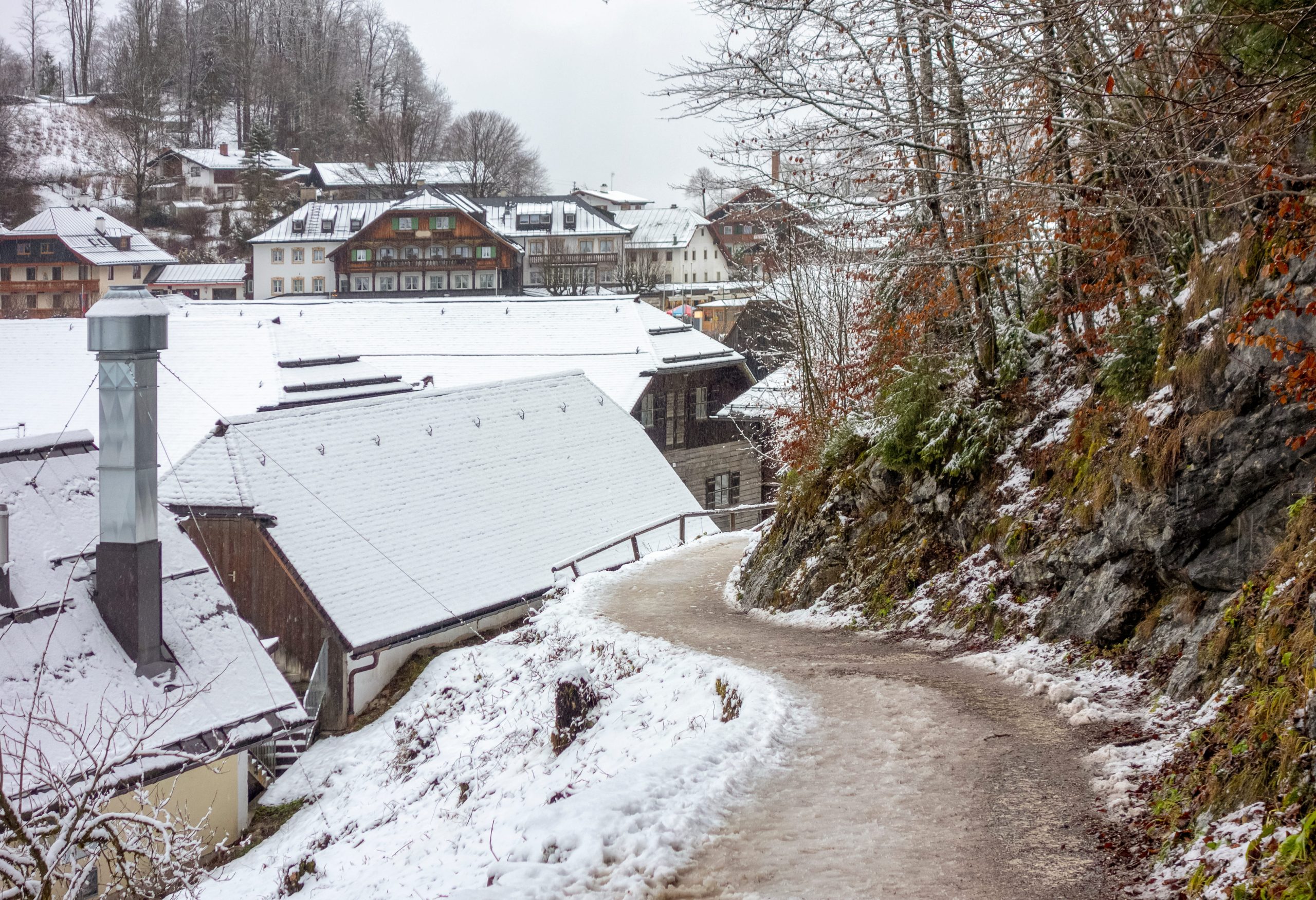
Michigan homeowners experience a wide range of weather conditions throughout the year. From heavy snowfall and ice accumulation in winter to strong winds, hailstorms, thunderstorms, and humid summer temperatures, the changing climate can place significant stress on residential roofing systems. While roofs are designed to protect homes from the elements, repeated exposure to harsh weather gradually reduces their lifespan and increases the likelihood of damage.
Many property owners assume roof issues only occur after major storms, but deterioration often develops slowly over time. Small problems caused by seasonal weather changes can grow into expensive repairs when left unaddressed. Understanding how Michigan storm seasons affect roofing materials and knowing when to schedule inspections can help homeowners protect their investment and avoid unexpected costs.
Why Michigan Weather Creates Unique Roofing Challenges
Michigan experiences all four seasons, and each one affects roofing materials differently. Unlike regions with relatively stable weather patterns, Michigan properties often move quickly from freezing temperatures to warm conditions, creating expansion and contraction cycles that weaken roofing systems.
Common weather conditions that impact roofs in Michigan include:
- Snow accumulation
- Ice dams
- Wind-driven rain
- Hailstorms
- Freeze-thaw cycles
- High summer heat
- Humidity and moisture buildup
- Thunderstorms and heavy rainfall
- Strong seasonal winds
These conditions can shorten roof lifespan if maintenance and inspections are delayed.
Winter Weather: Snow and Ice Damage
Winter is one of the toughest seasons for Michigan roofs. Snow accumulation may look harmless, but excessive weight and prolonged moisture exposure can place significant strain on roofing materials.
Snow Load Stress
Heavy snow increases the overall load on a roof structure. While most residential roofs are built to handle snow, repeated accumulation can accelerate wear.
Potential problems include:
- Sagging roof sections
- Structural stress
- Damaged shingles
- Water infiltration
- Gutter strain
Older roofs are especially vulnerable because materials naturally weaken with age.
Ice Dams and Water Backup
Ice dams form when heat escapes through the attic and melts snow on upper roof sections. The melted water travels downward and refreezes near colder edges.
As ice builds up, water becomes trapped behind it and may seep beneath shingles.
Common signs of ice dam damage include:
- Water stains on ceilings
- Interior leaks
- Peeling paint
- Mold growth
- Damaged insulation
Ice dams often indicate ventilation or insulation issues rather than roofing problems alone.
Freeze-Thaw Cycles
Michigan frequently experiences temperature swings during late winter and early spring.
Water enters small cracks in shingles or flashing, freezes overnight, expands, and widens openings.
Over time this cycle may cause:
- Cracked shingles
- Broken sealants
- Flashing separation
- Roof deck moisture damage
Even minor openings can eventually become major leak points.
Spring Storms and Heavy Rainfall
Spring brings relief from snow, but it also introduces new roofing threats.
Melting snow combined with frequent rain creates conditions that expose weaknesses hidden during winter.
Moisture Penetration
Roofs that survived winter may already contain small cracks or lifted shingles.
Spring rain can enter these openings and create problems such as:
- Attic moisture buildup
- Ceiling stains
- Mold development
- Rotting wood components
- Insulation damage
Many homeowners first notice leaks during spring because melting snow and rain reveal hidden vulnerabilities.
Wind Damage
Michigan spring storms often include strong winds.
Wind may:
- Lift shingles
- Remove granules
- Loosen flashing
- Damage ridge caps
- Pull gutters away from roof edges
Wind damage sometimes appears minor from ground level but can expose underlying layers to water intrusion.
Tree Debris Risks
Spring storms frequently break branches and scatter debris onto roofing systems.
Falling limbs may:
- Crack shingles
- Dent flashing
- Damage vents
- Block drainage systems
- Create punctures
Trees located close to homes should be trimmed regularly to reduce storm impact.
Summer Heat and UV Exposure
Many homeowners associate roof damage with winter, but summer weather can be equally destructive.
Michigan summers bring heat, humidity, and intense sunlight that slowly degrade roofing materials.
UV Radiation Breakdown
Continuous sun exposure causes roofing materials to age.
Ultraviolet rays can:
- Dry out shingles
- Reduce flexibility
- Cause cracking
- Fade protective coatings
- Accelerate material deterioration
As shingles lose elasticity, they become more susceptible to wind and moisture damage later in the year.
Thermal Expansion and Contraction
Roof surfaces heat dramatically during summer afternoons and cool quickly at night.
This repeated movement stresses components including:
- Flashing
- Nails
- Sealants
- Shingles
- Vent systems
Eventually materials loosen and gaps develop.
Humidity and Ventilation Issues
Michigan humidity creates another challenge.
Poor attic ventilation may trap warm air and moisture.
This can lead to:
- Mold growth
- Reduced insulation performance
- Wood rot
- Higher energy bills
- Premature roof aging
Proper ventilation supports both roof performance and indoor comfort.
Fall Weather: Preparing Roofs for Winter
Fall is often the most important season for preventative roof maintenance.
Temperatures are generally mild, making inspections easier and allowing repairs before snow arrives.
Leaf Accumulation and Drainage Problems
Leaves and debris commonly collect inside gutters and roof valleys.
Blocked drainage systems increase the risk of:
- Standing water
- Overflowing gutters
- Ice dams later in winter
- Fascia damage
- Foundation moisture issues
Routine cleaning during fall helps maintain proper water flow.
Inspecting Flashing and Seals
Flashing protects vulnerable areas around:
- Chimneys
- Skylights
- Roof valleys
- Vents
- Wall intersections
Fall inspections help identify:
- Loose metal sections
- Missing sealants
- Corrosion
- Small gaps
- Weather-related wear
Repairing these areas before winter prevents larger problems.
Addressing Minor Damage Early
Small repairs completed in autumn often prevent emergency service during winter.
Examples include:
- Replacing missing shingles
- Fixing lifted flashing
- Sealing penetrations
- Cleaning gutters
- Correcting ventilation issues
Preventive work generally costs less than major repairs after severe weather.
How Storm Damage Reduces Roof Lifespan
Every roofing material has an expected service life.
However, Michigan weather may shorten these timelines.
Approximate roof lifespans include:
Asphalt shingles: 20–30 years
Architectural shingles: 25–35 years
Metal roofing: 40–70 years
Wood shakes: 20–40 years depending on maintenance
Storm exposure accelerates aging through:
- Granule loss
- Water penetration
- Structural movement
- Seal deterioration
- Impact damage
- Moisture retention
Without inspections, homeowners may not realize their roof is aging faster than expected.
Signs Your Roof May Need Inspection After Michigan Storms
Roof damage is not always obvious.
Some warning signs appear indoors before exterior issues become visible.
Watch for:
Interior Indicators
- Ceiling stains
- Mold odors
- Damp attic insulation
- Peeling paint
- Water spots near walls
Exterior Warning Signs
- Missing shingles
- Curling edges
- Cracked flashing
- Sagging sections
- Granules in gutters
- Loose gutters
- Visible dents after hail
Structural Symptoms
- Uneven roof lines
- Soft decking areas
- Increased attic humidity
- Ventilation problems
Ignoring these symptoms can allow damage to spread.
Why Routine Roof Inspections Matter
Many homeowners wait until leaks appear before calling professionals.
Unfortunately, visible leaks often mean damage has already progressed.
Routine inspections help identify problems earlier.
Benefits include:
Extending Roof Life
Small repairs reduce cumulative damage and preserve materials.
Lower Repair Costs
Fixing isolated issues is usually less expensive than replacing large roof sections.
Preventing Interior Damage
Early detection protects:
- Drywall
- Flooring
- Insulation
- Electrical systems
- Personal belongings
Supporting Insurance Claims
Storm documentation can help homeowners during claim processes.
Professional assessments often provide evidence of weather-related damage.
When Michigan Homeowners Should Schedule Roof Inspections
Timing inspections around seasonal changes improves roof performance.
Early Spring Inspection
Spring evaluations identify damage caused by:
- Snow loads
- Ice dams
- Freeze-thaw cycles
- Winter wind events
This inspection helps prepare the roof for spring storms.
Late Summer Inspection
Late summer assessments focus on:
- UV deterioration
- Ventilation problems
- Heat-related wear
Repairs completed now help prepare for colder months.
Fall Preventive Inspection
Fall inspections are among the most valuable.
Professionals check:
- Gutters
- Flashing
- Shingles
- Drainage systems
- Ventilation components
This reduces winter risk.
After Severe Storm Events
Homeowners should schedule inspections after:
- Hailstorms
- High winds
- Falling tree impacts
- Major rain events
- Heavy snow accumulation
Even if damage is not visible, hidden issues may exist.
Storm Preparation Tips for Michigan Homeowners
Reducing storm damage starts before severe weather arrives.
Consider these preventative measures:
Keep Gutters Clean
Remove:
- Leaves
- Pine needles
- Dirt buildup
- Branch debris
Proper drainage reduces water accumulation.
Trim Nearby Trees
Overhanging limbs increase the chance of impact damage during storms.
Regular trimming lowers risk.
Improve Attic Ventilation
Balanced airflow helps:
- Reduce moisture
- Prevent ice dams
- Lower heat buildup
- Extend roof life
Replace Damaged Shingles Quickly
Missing or cracked shingles expose underlayment and roof decking.
Fast repairs prevent moisture intrusion.
Monitor Attic Conditions
Check periodically for:
- Condensation
- Mold
- Water stains
- Drafts
- Damp insulation
Attics often reveal problems before ceilings do.
Choosing Professional Roof Inspections Instead of DIY Evaluations
Many roofing issues are difficult to identify from the ground.
Walking on roofs can also create safety hazards.
Professional inspections offer advantages such as:
- Detailed assessments
- Moisture detection
- Storm damage identification
- Ventilation evaluation
- Documentation for insurance purposes
Professionals can often spot early signs that homeowners miss.
Long-Term Benefits of Seasonal Roofing Maintenance
Michigan weather cannot be controlled, but homeowners can reduce its impact.
Consistent maintenance helps:
- Increase roof lifespan
- Prevent emergency repairs
- Improve energy efficiency
- Protect home value
- Reduce moisture damage
- Support structural integrity
A roof that receives routine inspections often performs better through years of seasonal weather changes.
Final Thoughts
Michigan’s changing seasons create some of the most demanding conditions for residential roofing systems. Snow, ice dams, heavy rain, hail, strong winds, humidity, and temperature fluctuations all contribute to gradual wear that may shorten roof lifespan.
While storms are unavoidable, major roofing problems are often preventable. Scheduling inspections during spring and fall, monitoring damage after severe weather, and addressing small issues early can significantly extend roof performance.
Homeowners who take a proactive approach to maintenance are more likely to avoid costly repairs, improve energy efficiency, and keep their homes protected throughout every Michigan season. Routine inspections are not simply preventative maintenance—they are an investment in the long-term health and durability of the entire home.