
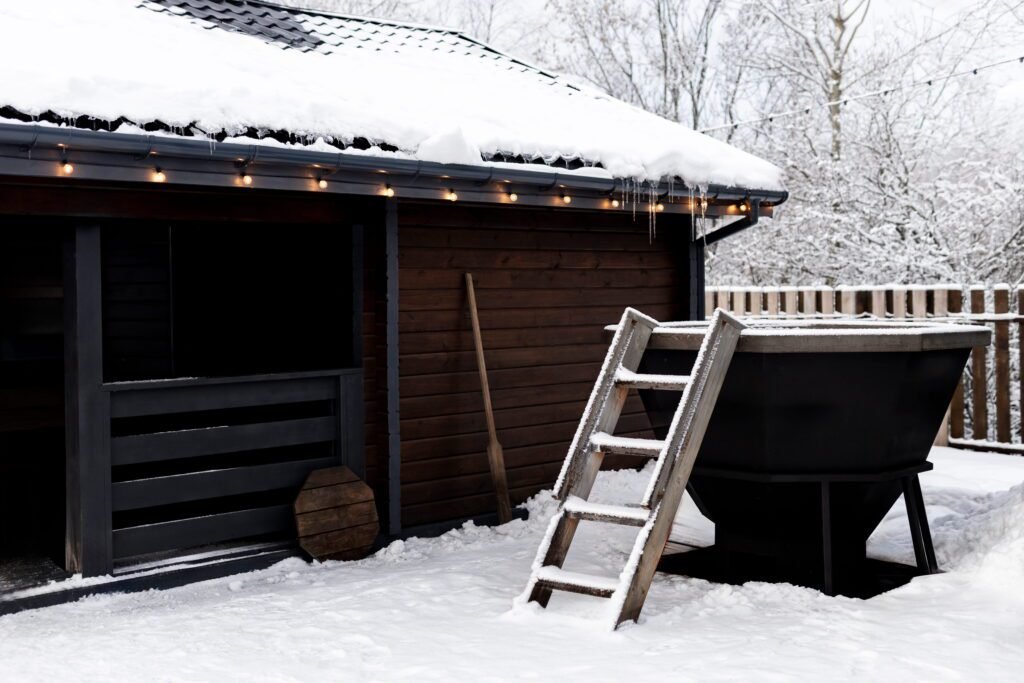
Michigan winters are known for freezing temperatures, heavy snowfall, ice accumulation, and constant freeze-thaw cycles. While homeowners often prepare for slippery roads and rising heating bills, many overlook the serious toll winter weather can take on their home’s exterior.
Your roof, siding, and gutter system serve as the first line of defense against harsh weather conditions. Over time, repeated exposure to snow, ice, wind, moisture, and freezing temperatures can weaken these systems and lead to costly structural damage if problems go unnoticed.
For homeowners in Brownstown and throughout Michigan, understanding how winter weather affects the exterior of a home is essential for preventing expensive repairs and maintaining long-term property value. Regular inspections, maintenance, and timely upgrades can help protect your home from seasonal damage while improving energy efficiency and overall durability.
Why Michigan Winters Are So Hard on Homes
Michigan experiences some of the most challenging winter conditions in the Midwest. Home exteriors are regularly exposed to:
- Heavy snow loads
- Ice buildup
- Freezing rain
- Strong winds
- Rapid temperature swings
- Moisture infiltration
- Freeze-thaw cycles
These conditions create constant expansion and contraction in building materials. Moisture seeps into tiny cracks, freezes, expands, and gradually causes deterioration over time.
Even homes that appear structurally sound can develop hidden issues during winter months that worsen each year if left untreated.
The combination of moisture and freezing temperatures is especially damaging because it affects nearly every exterior component of the home simultaneously.
How Winter Weather Damages Your Roof
Your roof absorbs the full force of winter storms, making it one of the most vulnerable parts of your home during Michigan winters.
Snow Accumulation Can Stress Roofing Structures
Heavy snowfall places tremendous weight on roofing systems. While modern roofs are designed to handle typical snow loads, excessive accumulation can strain older or weakened structures.
Wet snow is particularly heavy and may contribute to:
- Roof sagging
- Structural stress
- Cracked rafters
- Interior ceiling damage
- Leaks and moisture intrusion
Flat roofs and low-slope roofs are especially vulnerable because snow tends to remain in place longer instead of sliding off naturally.
Older homes in Michigan may also have roofing systems that were not designed for today’s increasingly unpredictable weather patterns.
Ice Dams Create Serious Water Damage Risks
Ice dams are one of the most common winter roofing problems in Michigan.
An ice dam forms when heat escapes through the attic and warms the roof surface, causing snow to melt. The melted water flows downward until it reaches colder roof edges, where it refreezes into thick ice.
As this process continues, water becomes trapped behind the ice dam and can seep underneath shingles.
This often leads to:
- Roof leaks
- Water-stained ceilings
- Damaged insulation
- Mold growth
- Rotting roof decking
- Interior wall damage
Ice dams are especially common in homes with poor attic insulation or inadequate ventilation.
Freeze-Thaw Cycles Damage Roofing Materials
Michigan winters often fluctuate between freezing and thawing temperatures. These repeated cycles cause roofing materials to expand and contract constantly.
Over time, this movement can lead to:
- Cracked shingles
- Loose flashing
- Separated sealants
- Exposed nail heads
- Premature roof aging
Small cracks may initially seem harmless, but once moisture enters these openings and freezes, the damage accelerates quickly.
Strong Winter Winds Can Lift and Loosen Shingles
Winter storms frequently bring high winds that can weaken roofing systems.
Strong gusts may:
- Lift shingles
- Break shingle seals
- Expose underlayment
- Allow moisture penetration
- Tear off flashing
Even minor wind damage can create vulnerable entry points for water and ice.
Because winter conditions often hide roofing problems beneath snow, many homeowners don’t notice damage until spring leaks appear.
The Impact of Michigan Winters on Siding
Siding protects your home from moisture intrusion, temperature extremes, and wind exposure. During Michigan winters, siding materials endure constant stress that can compromise both appearance and performance.
Moisture Penetration Causes Long-Term Damage
Snow and ice regularly melt against siding surfaces before refreezing again overnight. This repeated moisture exposure can gradually penetrate small gaps, cracks, and seams.
When moisture becomes trapped behind siding, it may lead to:
- Mold growth
- Wood rot
- Warped panels
- Structural deterioration
- Interior moisture problems
Older siding systems are especially vulnerable if caulking and seals have deteriorated over time.
Freeze-Thaw Expansion Can Crack Siding Materials
Just like roofing materials, siding expands and contracts during temperature changes.
Repeated freeze-thaw cycles may cause:
- Cracking
- Splitting
- Warping
- Loose panels
- Fading and surface deterioration
Vinyl siding may become brittle during extreme cold, making it more susceptible to cracking from impact or wind.
Wood siding can absorb moisture, freeze, and gradually deteriorate as expansion continues year after year.
Winter Winds Can Loosen or Damage Siding
Strong winter winds place constant pressure on siding systems.
Loose or aging siding panels may begin to:
- Rattle
- Separate from the home
- Bend or warp
- Allow air infiltration
- Expose underlying moisture barriers
Once siding becomes loose, moisture and cold air can easily enter the wall system.
This not only increases the risk of water damage but can also raise heating costs significantly during winter months.
Poor Siding Performance Increases Energy Loss
Damaged or outdated siding often contributes to poor insulation performance.
During Michigan winters, this can lead to:
- Higher heating bills
- Drafty interior rooms
- Uneven indoor temperatures
- Increased HVAC strain
Modern insulated siding systems help improve thermal efficiency while protecting homes from moisture and weather-related damage.
For many homeowners, upgrading siding is both a protective investment and an energy-saving improvement.
How Winter Weather Affects Gutters
Gutters play a critical role in protecting your roof, siding, foundation, and landscaping from water damage. However, Michigan winters can place enormous stress on gutter systems.
Ice Buildup Can Pull Gutters Away from the Home
When snow melts and refreezes inside gutters, thick ice accumulation develops quickly.
This added weight can cause gutters to:
- Sag
- Bend
- Separate from fascia boards
- Crack at seams
- Collapse entirely
Once gutters pull away from the home, they no longer channel water effectively.
This often results in water spilling directly against siding and foundations.
Clogged Gutters Increase Ice Dam Formation
Leaves, debris, and dirt trapped in gutters before winter can worsen ice-related problems.
Clogged gutters prevent proper drainage, allowing water to freeze more easily along roof edges.
This contributes to:
- Larger ice dams
- Roof leaks
- Overflowing gutters
- Water infiltration behind siding
Clean gutters are essential for minimizing winter drainage problems.
Freeze-Thaw Cycles Damage Gutter Seams
Traditional sectional gutters contain multiple seams and joints that are vulnerable to expansion and contraction.
Repeated freezing and thawing can weaken these connections, leading to:
- Leaks
- Joint separation
- Rust formation
- Water overflow
Seamless gutters are becoming increasingly popular in Michigan because they reduce many of these risks.
Improper Drainage Can Damage Foundations
When gutters fail during winter, melting snow and ice often drain directly near the home’s foundation.
This may result in:
- Foundation cracks
- Basement leaks
- Soil erosion
- Water pooling
- Structural movement
Foundation repairs are often far more expensive than preventative gutter maintenance or replacement.
Warning Signs Winter Has Damaged Your Exterior
Many homeowners don’t realize winter damage has occurred until spring arrives.
Common warning signs include:
Roof Warning Signs
- Missing or curled shingles
- Water stains on ceilings
- Ice dam remnants
- Sagging rooflines
- Granules in gutters
- Drafts in the attic
Siding Warning Signs
- Cracks or warping
- Loose panels
- Mold or mildew growth
- Bubbling paint
- Interior drafts
- Moisture stains indoors
Gutter Warning Signs
- Sagging gutters
- Overflowing water
- Detached sections
- Ice accumulation
- Rust spots
- Pooling water near foundations
Addressing these issues early can help prevent much larger and more expensive repairs later.
Why Preventative Maintenance Matters
One of the best ways to protect your home from Michigan winter damage is through regular exterior maintenance.
Preventative care allows homeowners to identify minor issues before harsh weather worsens them.
Important maintenance tasks include:
- Roof inspections
- Gutter cleaning
- Attic insulation checks
- Ventilation improvements
- Siding inspections
- Caulking and seal repairs
- Snow removal when necessary
Professional inspections before and after winter can help uncover hidden vulnerabilities that homeowners may overlook.
The Importance of Proper Attic Insulation and Ventilation
Many winter roofing problems actually begin inside the home.
Poor attic insulation and ventilation contribute heavily to:
- Ice dams
- Heat loss
- Moisture buildup
- Premature roof deterioration
A properly insulated attic helps maintain consistent roof temperatures, reducing snow melt and ice formation.
Good ventilation also prevents excess moisture accumulation that can damage roofing materials and insulation.
Upgrading attic insulation often improves both winter comfort and long-term roof performance.
Why Modern Exterior Materials Perform Better in Michigan Winters
Advancements in roofing, siding, and gutter materials have improved durability significantly in recent years.
Many modern products are specifically designed to withstand harsh climates like Michigan’s.
Examples include:
Roofing Improvements
- Impact-resistant shingles
- Ice and water shield membranes
- Enhanced ventilation systems
- Algae-resistant materials
Siding Improvements
- Insulated vinyl siding
- Fiber cement siding
- Moisture-resistant barriers
- Fade-resistant finishes
Gutter Improvements
- Seamless gutter systems
- Heated gutter guards
- Heavy-duty brackets
- Larger drainage capacity
Investing in higher-quality exterior materials may reduce maintenance needs and improve long-term home protection.
How Exterior Upgrades Improve Property Value
Winter-resistant exterior improvements not only protect the home but can also increase resale value.
Buyers in Michigan often prioritize homes with:
- Updated roofing systems
- Energy-efficient siding
- Modern gutters
- Improved insulation
- Reduced maintenance concerns
A well-maintained exterior creates strong curb appeal while reassuring buyers that the home has been properly cared for.
Exterior upgrades may also improve energy efficiency, which is increasingly important to today’s homeowners.
When It’s Time to Replace Instead of Repair
While some winter damage can be repaired, repeated problems may indicate the need for full replacement.
Signs replacement may be the better option include:
- Frequent roof leaks
- Extensive siding warping
- Repeated gutter failures
- Major storm damage
- Aging exterior systems
- Rising energy bills
In many cases, proactive replacement is more cost-effective than repeated temporary repairs.
Modern systems also provide better durability and long-term performance in harsh Michigan climates.
Final Thoughts
Michigan winters place tremendous stress on roofs, siding, and gutters. Snow, ice, freezing temperatures, moisture, and wind all work together to gradually wear down exterior systems and create hidden damage that worsens over time.
For homeowners in Brownstown and throughout Michigan, understanding these risks is essential for protecting both the home and its long-term value.
Routine maintenance, seasonal inspections, proper insulation, and timely exterior upgrades can help prevent costly repairs while improving energy efficiency and overall durability.
By addressing small issues early and investing in high-quality exterior protection, homeowners can keep their properties safer, more comfortable, and better prepared for whatever Michigan winters bring next.