
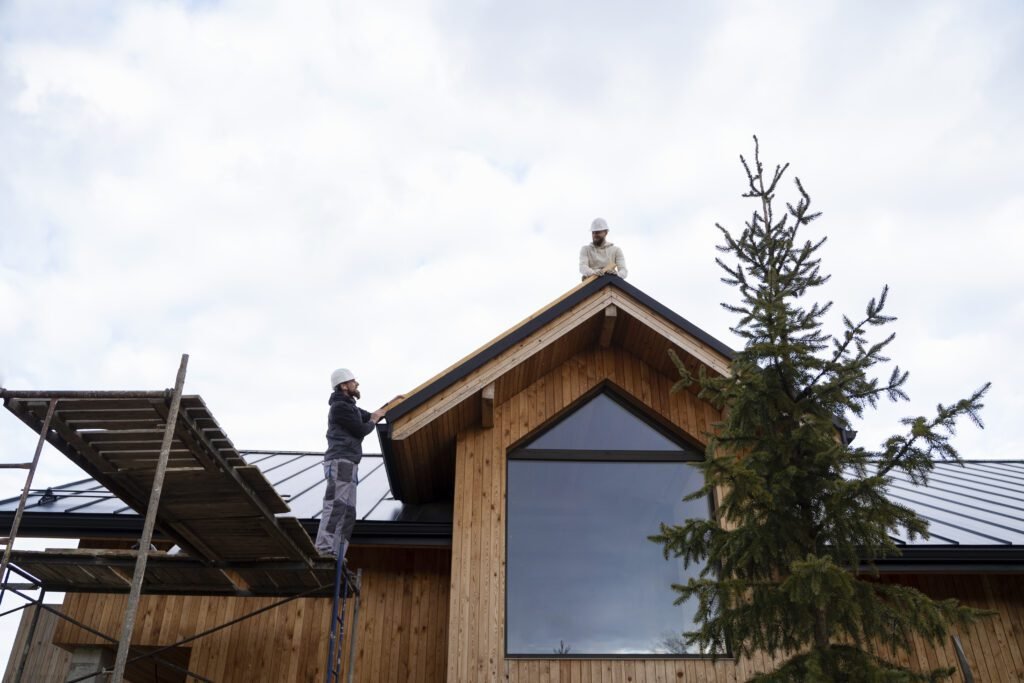
Your home’s exterior is more than just its appearance—it’s a carefully designed system that protects your property from weather, moisture, and energy loss. While many homeowners think of roofing, siding, gutters, and insulation as separate components, they actually work together as a unified defense system.
When one part fails, it can impact the performance of the others, leading to costly repairs and reduced efficiency. Understanding how these systems work together can help you make smarter decisions about maintenance, repairs, and upgrades.
In this guide, we’ll break down how each component contributes to protecting your home and why a complete exterior approach is essential.
1. The Role of Your Roof: First Line of Defense
Your roof is the most critical component of your home’s exterior. It acts as the first barrier against rain, snow, wind, and sunlight.
Key functions of a roof:
- Protects your home from water infiltration
- Shields against harsh weather conditions
- Helps regulate indoor temperature
How it works:
The roof collects rainwater and directs it toward the gutters. It also prevents moisture from entering your attic and interior spaces.
Common issues:
- Missing or damaged shingles
- Leaks and water penetration
- Poor ventilation
Why it matters:
A compromised roof can allow water to seep into your home, affecting siding, insulation, and even your foundation.
2. Siding: Protecting Walls and Enhancing Efficiency
Siding serves as the protective layer for your home’s exterior walls while also contributing to insulation and curb appeal.
Key functions of siding:
- Prevents moisture from entering walls
- Protects against pests and weather damage
- Adds an extra layer of insulation
Types of siding:
- Vinyl siding
- Fiber cement
- Wood siding
How siding works with the roof:
When the roof directs water downward, siding ensures that moisture doesn’t penetrate the walls.
Common issues:
- Cracks or warping
- Mold or mildew
- Fading and weather damage
Impact:
Damaged siding can lead to moisture buildup, which affects insulation and indoor air quality.
3. Gutters: Managing Water Flow and Preventing Damage
Gutters play a crucial role in directing water away from your home.
Key functions of gutters:
- Collect rainwater from the roof
- Channel water away from the foundation
- Prevent soil erosion and water pooling
How gutters work:
Water flows from the roof into gutters, then through downspouts, and finally away from your home.
Common problems:
- Clogs from leaves and debris
- Sagging or detached gutters
- Improper drainage
Why gutters are essential:
Without proper drainage, water can:
- Damage siding
- Weaken your foundation
- Cause basement flooding
4. Insulation: Maintaining Comfort and Energy Efficiency
Insulation is the hidden component that plays a major role in your home’s performance.
Key functions of insulation:
- Regulates indoor temperature
- Reduces energy consumption
- Prevents heat loss and gain
How insulation works with other systems:
- Roof and siding keep moisture out
- Insulation maintains internal temperature
- Together, they create an energy-efficient environment
Signs of poor insulation:
- High energy bills
- Uneven temperatures
- Drafts
Benefits:
Proper insulation improves comfort and reduces strain on your HVAC system.
5. Why These Systems Must Work Together
Each component of your home’s exterior relies on the others to function effectively.
Example of system coordination:
- Roof directs water → gutters carry it away
- Siding protects walls → insulation maintains temperature
- Gutters prevent water damage → foundation stays stable
What happens when one system fails:
❌ Roof failure:
Leads to water damage in siding and insulation
❌ Gutter failure:
Causes water pooling and foundation issues
❌ Siding failure:
Allows moisture into walls
❌ Insulation failure:
Increases energy costs and reduces comfort
Key takeaway:
Your home’s exterior is only as strong as its weakest component.
6. Benefits of a Complete Exterior Upgrade
Instead of addressing issues individually, many homeowners benefit from a comprehensive exterior upgrade.
Advantages:
🏡 Improved protection
All systems work together to prevent damage
💡 Increased energy efficiency
Better insulation reduces energy costs
📈 Higher property value
A well-maintained exterior boosts curb appeal
🔧 Long-term savings
Prevents costly repairs in the future
When to consider a full upgrade:
- Multiple systems show signs of wear
- Frequent repairs are needed
- You want to improve efficiency and appearance
Professional assessment:
A contractor can evaluate your entire exterior system and recommend the best solutions.
Conclusion
Roofing, siding, gutters, and insulation are not standalone features—they are interconnected systems that work together to protect your home. Understanding how these components interact can help you maintain your property more effectively and avoid costly issues.
By investing in regular maintenance and considering a comprehensive approach to upgrades, you can ensure your home remains safe, efficient, and visually appealing for years to come.
Your home is one of your most valuable assets—taking care of its exterior system is one of the best ways to protect that investment.