
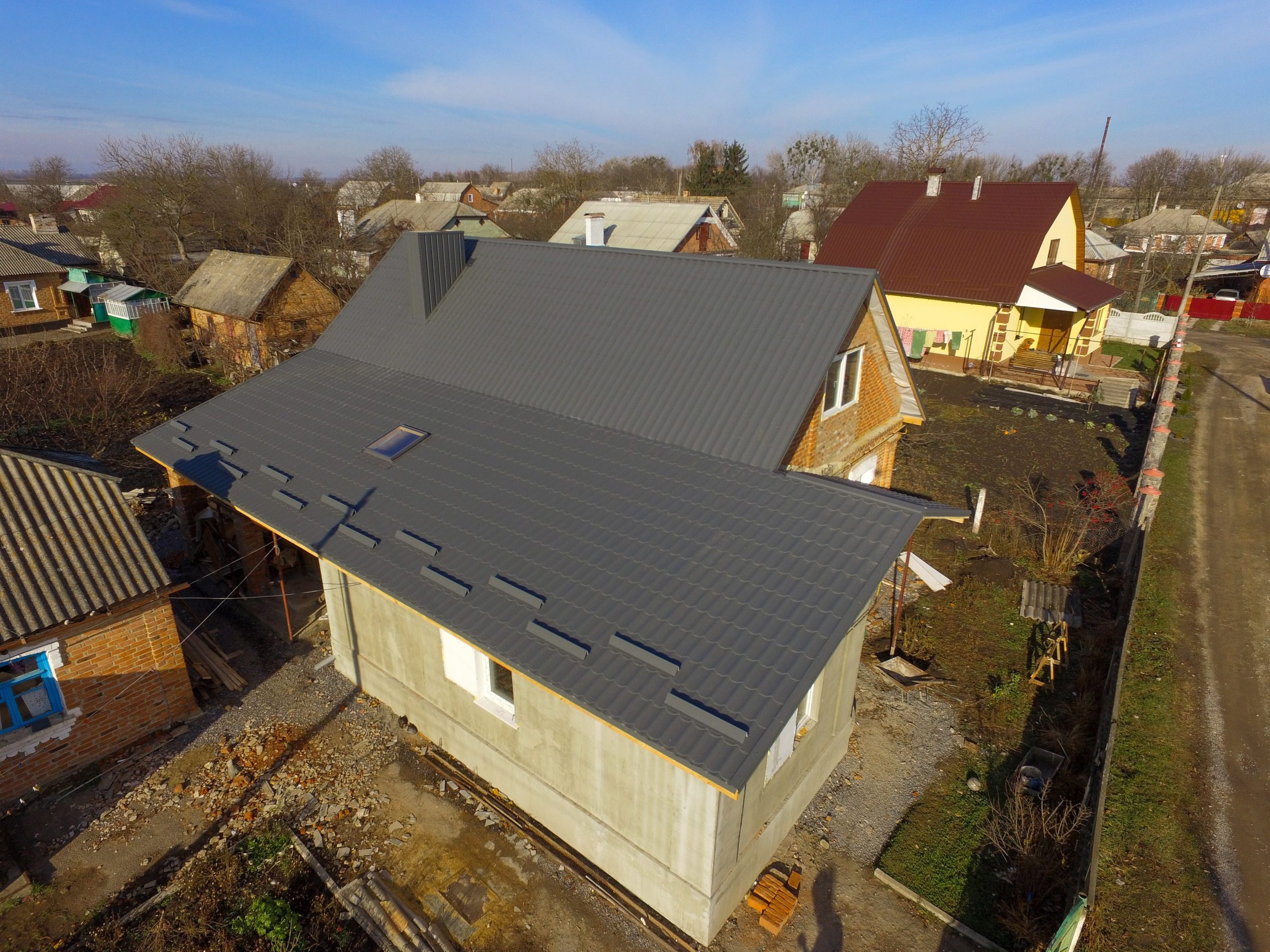
Your roof does more than just sit on top of your home—it protects everything underneath it.
From harsh winters and heavy snowfall to summer storms and temperature swings, homes in Brownstown, Michigan face a wide range of weather conditions throughout the year. That means choosing the right roofing material isn’t just about looks—it’s about durability, performance, and long-term value.
But with so many options available today, homeowners often find themselves asking:
Which roofing material is actually the best for my home?
The answer isn’t one-size-fits-all.
In this complete guide, we’ll walk you through everything you need to know about choosing the right roofing material for your home in Brownstown, MI—including climate considerations, cost comparisons, pros and cons, and expert tips to help you make the best decision.
Why Your Roofing Material Matters More in Michigan
Living in Michigan means your roof needs to handle:
- Heavy snowfall and ice accumulation
- Freeze-thaw cycles
- Strong winds and storms
- Rain and moisture
- Seasonal temperature fluctuations
Choosing the wrong roofing material can lead to:
- Frequent repairs
- Higher energy bills
- Shortened roof lifespan
- Structural damage
The right material, on the other hand, provides:
- Long-term durability
- Better energy efficiency
- Increased property value
- Peace of mind
Key Factors to Consider Before Choosing a Roofing Material
Before we compare materials, let’s talk about what you should evaluate first.
1. Climate Compatibility
Not all roofing materials perform well in cold climates.
You need something that can:
- Withstand snow loads
- Resist moisture
- Handle freezing and thawing
2. Budget
Roofing costs can vary widely.
Your budget should include:
- Material costs
- Labor
- Installation complexity
- Long-term maintenance
3. Lifespan
Some materials last 20 years—others last 50+.
Think long-term when making your decision.
4. Maintenance Requirements
Do you want a low-maintenance roof—or are you okay with occasional upkeep?
5. Curb Appeal
Your roof plays a major role in your home’s appearance.
Choose a style that complements your home’s design.
Popular Roofing Materials for Homes in Brownstown, MI
Let’s break down the most common options.
1. Asphalt Shingles (Most Popular Choice)
Asphalt shingles are the most widely used roofing material in the U.S.—and for good reason.
Pros:
- Affordable
- Easy to install
- Widely available
- Variety of colors and styles
Cons:
- Shorter lifespan (20–30 years)
- Can be damaged by extreme weather
Best For:
- Budget-conscious homeowners
- Standard residential properties
Michigan Performance:
Asphalt shingles perform well in Michigan but may require replacement sooner than premium materials.
2. Metal Roofing
Metal roofing has become increasingly popular in recent years.
Pros:
- Extremely durable (40–70 years)
- Excellent snow shedding
- Resistant to extreme weather
- Energy efficient
Cons:
- Higher upfront cost
- Can be noisy during rain (without proper insulation)
Best For:
- Long-term investment
- Homes in heavy snow areas
Michigan Performance:
Metal roofs are ideal for Michigan’s climate due to their ability to shed snow and resist moisture.
3. Architectural (Dimensional) Shingles
An upgraded version of asphalt shingles.
Pros:
- More durable than standard shingles
- Better aesthetic appeal
- Longer lifespan (25–40 years)
Cons:
- Slightly higher cost than basic shingles
Best For:
- Homeowners who want a balance of cost and durability
4. Wood Shingles and Shakes
Known for their natural, rustic appearance.
Pros:
- Unique aesthetic
- Eco-friendly material
Cons:
- High maintenance
- Susceptible to moisture and rot
- Fire risk
Michigan Performance:
Not ideal for Michigan’s влаж conditions unless properly treated and maintained.
5. Slate Roofing
A premium roofing option known for elegance and durability.
Pros:
- Extremely long lifespan (75–100 years)
- High-end appearance
- Fire-resistant
Cons:
- Very expensive
- Heavy (requires strong structural support)
Best For:
- Luxury homes
- Long-term homeowners
6. Synthetic Roofing Materials
Designed to mimic natural materials like slate or wood.
Pros:
- Lightweight
- Durable
- Lower cost than natural materials
Cons:
- Varies in quality
Cost Comparison Overview
| Material | Cost (Approx.) | Lifespan |
|---|---|---|
| Asphalt Shingles | Low | 20–30 years |
| Architectural Shingles | Medium | 25–40 years |
| Metal Roofing | Medium-High | 40–70 years |
| Wood Shakes | High | 20–40 years |
| Slate | Very High | 75–100 years |
Best Roofing Material for Michigan Weather
For Brownstown, MI specifically:
Top Choices:
- Metal Roofing
- Architectural Shingles
- High-quality Asphalt Shingles
These options offer the best balance of:
- Durability
- Cost
- Weather resistance
Energy Efficiency Considerations
Your roof impacts your home’s energy usage.
Energy-Efficient Options:
- Metal roofing (reflects heat)
- Light-colored shingles
- Proper insulation and ventilation
When to Repair vs Replace Your Roof
Before choosing materials, determine if you need a full replacement.
Signs You Need a New Roof:
- Missing or curling shingles
- Water leaks
- Sagging areas
- Roof age (20+ years for asphalt)
Common Mistakes to Avoid
- Choosing based on price alone
- Ignoring climate factors
- Hiring inexperienced contractors
- Skipping inspections
- Overlooking ventilation
Why Professional Installation Matters
Even the best materials can fail if installed incorrectly.
Professional contractors ensure:
- Proper installation
- Code compliance
- Warranty protection
- Long-term performance
Final Thoughts
Choosing the right roofing material for your home in Brownstown, MI isn’t just about picking what looks good—it’s about making a smart investment in your home’s future.
The right roof will:
- Protect your home for decades
- Improve energy efficiency
- Enhance curb appeal
- Increase property value
Conclusion
If you’re planning a roof replacement or new installation, take the time to evaluate your options carefully.
Consider your budget, climate, and long-term goals—and don’t hesitate to consult with professionals who understand local conditions.
Because when it comes to your home, your roof isn’t just another feature—it’s your first line of defense.