
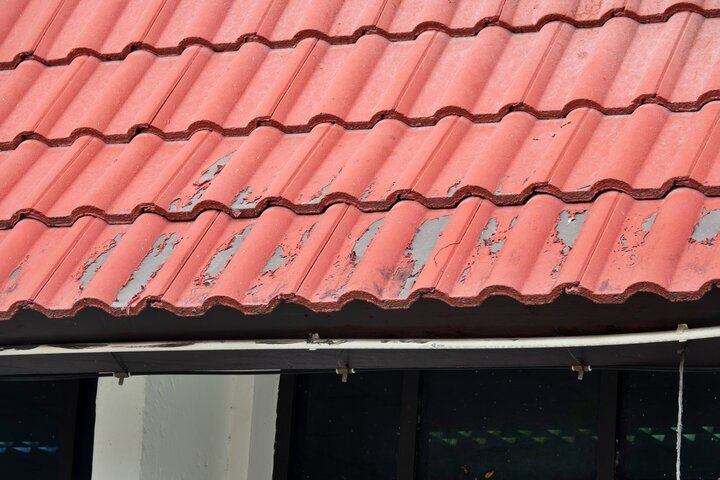
Michigan homeowners understand that roofs take a beating throughout the year. From heavy snow accumulation in winter to high winds and summer storms, roofing systems in Brownstown, MI face constant stress. Knowing how to spot roof damage early can prevent costly repairs, structural deterioration, and interior water damage.
While Kincaid Construction Company is a commercial framing and rough carpentry contractor serving developers and general contractors across Southern California, we understand the structural principles that keep buildings strong in any climate. Structural wood framing, roof truss systems, and load distribution all play critical roles in maintaining long-term performance. Recognizing early warning signs of roof damage in residential properties can help homeowners protect their investment and maintain structural integrity.
This guide explains how to identify roof damage in Brownstown homes, what to look for after Michigan storms, and when to contact a professional. Whether you live near Telegraph Road or in residential neighborhoods around 48183, these insights will help you stay proactive.
Early Signs of Roof Wear in Brownstown MI Homes
Roofs rarely fail overnight. In most cases, damage begins subtly and progresses over time. Early detection is key to avoiding structural complications.
One of the first signs of roof wear is shingle deterioration. Asphalt shingles may curl, crack, or lose granules due to prolonged exposure to Michigan’s freeze-thaw cycles. As shingles age, their ability to repel water decreases, increasing the risk of leaks.
Homeowners should also pay attention to uneven roof lines. A sagging or dipping area could indicate underlying structural movement in decking or framing components. While this is more common in older homes, it should never be ignored.
Common early warning signs include:
- Curling or blistering shingles
- Missing shingle granules in gutters
- Slight roofline sagging
- Rusted or lifted flashing
- Moss or algae growth in shaded areas
Granule loss is particularly important to monitor. If you notice sandy debris collecting at downspout exits, it may signal that shingles are nearing the end of their lifespan. Michigan’s seasonal temperature shifts accelerate wear.
Another early indicator is flashing failure. Flashing protects vulnerable areas such as chimneys, skylights, and roof valleys. If flashing separates or corrodes, water can penetrate the roofing system.
Routine visual inspections from the ground using binoculars can help identify these issues before they escalate into major structural concerns.
Common Roof Damage After Michigan Storms
Brownstown homes frequently experience high winds, hail, heavy rainfall, and winter snow loads. Each weather event introduces different forms of roof stress.
Wind damage often appears as lifted or missing shingles. Even if shingles are not fully torn away, strong gusts can break the adhesive seal, making them vulnerable during the next storm.
Hail damage can be more subtle. Impact marks may appear as dark spots or soft depressions. These weaken shingle integrity and shorten roof lifespan.
After severe storms, check for:
- Displaced or missing shingles
- Dented vents or flashing
- Debris accumulation in valleys
- Clogged gutters
- Water stains on ceilings
Winter brings additional risks. Ice dams form when heat escapes from the attic and melts snow on the roof. Refreezing at the eaves creates a barrier that traps water under shingles.
Heavy snow loads also place significant stress on roof framing systems. Although residential construction differs from large-scale commercial framing, the structural principle remains the same: load distribution must remain balanced. Excess weight can expose weaknesses in decking or support members.
Prompt post-storm inspections help prevent minor issues from turning into structural repairs.
Warning Signs Inside Your Attic Space Brownstown Homes
Many roofing problems reveal themselves inside the attic before becoming visible externally. Inspecting attic spaces can uncover early moisture or ventilation issues.
One of the most obvious signs is water staining on rafters or insulation. Dark streaks or damp areas often indicate slow leaks.
Proper ventilation is also critical. Inadequate airflow causes condensation buildup, which can mimic roof leaks and accelerate wood deterioration.
Inside your attic, look for:
- Wet or compressed insulation
- Mold or mildew odor
- Frost buildup in winter
- Visible daylight through decking
- Warped or cracked roof sheathing
Daylight penetration through the roof boards is a serious warning sign. Even small gaps can allow moisture intrusion and pest entry.
Structural wood components should appear straight and solid. If rafters appear bowed or decking looks delaminated, further evaluation is necessary. In commercial framing projects across Southern California, maintaining proper load paths and moisture control is essential for long-term structural performance. The same structural awareness applies to residential roof systems.
Attic inspections should be performed safely and carefully, ideally during daylight hours when visibility is strongest.
Exterior Clues of Structural Roof Issues
Structural roof damage often presents subtle but noticeable exterior clues. Homeowners in Brownstown should periodically step back and observe their home from multiple angles.
A sagging ridge line is one of the most serious red flags. This may indicate compromised rafters, truss issues, or decking failure. Structural movement should always be evaluated by a qualified professional.
Pay close attention to how roof planes align. Uneven surfaces can signal underlying support deterioration.
Exterior warning signs include:
- Drooping roof edges
- Visible dips between rafters
- Cracked or separating fascia boards
- Leaning or detached gutters
- Chimney flashing gaps
Gutter performance can also reveal roofing concerns. If gutters frequently overflow despite being clear of debris, improper roof pitch or hidden sagging may be affecting water runoff.
Another overlooked sign is siding staining near roof intersections. Water cascading improperly from the roof may leave streaking or discoloration.
In commercial construction environments throughout Southern California, structural framing accuracy determines long-term performance. Proper alignment, secure fastening, and balanced loads are critical principles whether constructing multi-family developments or evaluating residential roof structures.
If any structural irregularities are visible from the ground, professional inspection is strongly recommended.
When to Call a Roofing Professional in Brownstown MI
Some roof issues are cosmetic, while others require immediate attention. Understanding when to contact a professional can prevent extensive interior damage.
If you notice active leaks during rainfall, do not delay. Water intrusion can compromise insulation, drywall, and structural wood framing.
Similarly, widespread shingle loss or visible sagging requires expert evaluation. Roofing professionals have the tools and training to safely assess structural components.
Contact a professional if you observe:
- Persistent ceiling water stains
- Multiple missing shingles
- Interior mold growth
- Ice dam recurrence
- Sudden increase in energy bills
Energy inefficiency may signal ventilation problems or insulation damage related to roofing failure.
Professional roofers may conduct moisture scans, structural assessments, and attic ventilation evaluations. Early repairs are typically far less costly than full roof replacements.
Although Kincaid Construction Company focuses on commercial structural framing and rough carpentry across Southern California, we understand how vital proper framing and structural integrity are to any roofing system. Whether residential or commercial, stable framing is the backbone of roof performance.
Prompt professional assessment ensures small issues do not escalate into structural hazards.
Preventing Long-Term Roof Damage in Michigan
Preventative maintenance is the most effective strategy for extending roof lifespan in Brownstown homes.
Seasonal inspections, particularly after winter and severe storms, allow homeowners to identify early deterioration. Keeping gutters clear prevents water backup and ice dam formation.
Proper attic insulation and ventilation also play a crucial role. Balanced airflow reduces condensation and temperature fluctuations that weaken roofing materials.
To prevent long-term damage:
- Schedule annual roof inspections
- Clean gutters twice yearly
- Trim overhanging tree branches
- Check attic ventilation regularly
- Address minor repairs immediately
Tree limbs pose a significant risk during storms. Trimming branches reduces impact damage and debris accumulation.
Snow removal may be necessary during extreme winters. However, improper removal techniques can damage shingles. Always consult professionals when dealing with heavy snow loads.
Structural longevity begins with proactive care. In large-scale commercial projects across Southern California, preventative planning and quality craftsmanship ensure framing systems perform reliably for decades. Homeowners can apply similar diligence to residential roof maintenance.
By staying attentive and addressing concerns early, Brownstown residents can protect their homes from costly structural damage.
Frequently Asked Questions
What does a commercial framing contractor do on large-scale projects?
A commercial framing contractor installs the structural wood framework that forms the skeleton of a building. This includes wall systems, floor assemblies, and roof trusses. Kincaid Construction Company serving Southern California specializes in structural wood framing for multi-family, hospitality, and large commercial developments, working closely with developers and general contractors to ensure precision, code compliance, and structural performance.
How is rough carpentry different from finish carpentry in commercial construction?
Rough carpentry focuses on structural components that are not visible after completion, such as framing, blocking, and sheathing. Finish carpentry involves aesthetic details like trim and cabinetry. Kincaid Construction Company provides rough carpentry services across Southern California, ensuring that foundational structural elements are installed accurately to support all subsequent construction phases.
Why is structural wood framing important in multi-family construction?
Structural wood framing provides load-bearing support for floors, walls, and roofs in multi-family buildings. Proper installation ensures safety, durability, and energy efficiency. In Southern California projects, Kincaid Construction Company coordinates framing systems carefully to align with architectural plans, engineering requirements, and demanding construction schedules.
How long does the framing phase take on a commercial building?
Framing timelines depend on building size, design complexity, and site conditions. Multi-family and hospitality projects may require several weeks to several months for full structural framing completion. Kincaid Construction Company supports scalable project schedules throughout Southern California, aligning manpower and sequencing strategies to meet overall construction milestones.
What role does a framing subcontractor play in large commercial projects?
A framing subcontractor is responsible for executing the structural framework according to engineered plans. This includes material coordination, installation accuracy, and inspection compliance. Kincaid Construction Company collaborates with general contractors and project teams across Southern California to deliver efficient framing solutions that integrate seamlessly into broader construction workflows.
What types of buildings use structural wood framing systems?
Structural wood framing is commonly used in multi-family housing, mixed-use developments, hospitality projects, and certain commercial buildings. It offers design flexibility and cost efficiency. Kincaid Construction Company provides wood framing expertise throughout Southern California, supporting developers with reliable, code-compliant structural systems for diverse project types.
How does proper framing impact long-term building performance?
Accurate framing ensures that loads are distributed correctly and that walls, floors, and roof systems remain stable over time. Poor framing can lead to structural movement, cracking, or water intrusion. Kincaid Construction Company serving Southern California emphasizes precision installation to support durability, safety, and long-term building performance.
Can framing crews scale for large or phased developments?
Yes, experienced framing contractors can scale labor and resources to match project size and phasing requirements. Kincaid Construction Company works across Southern California to provide scalable structural framing solutions, aligning crew capacity with development timelines without compromising craftsmanship or safety standards.