
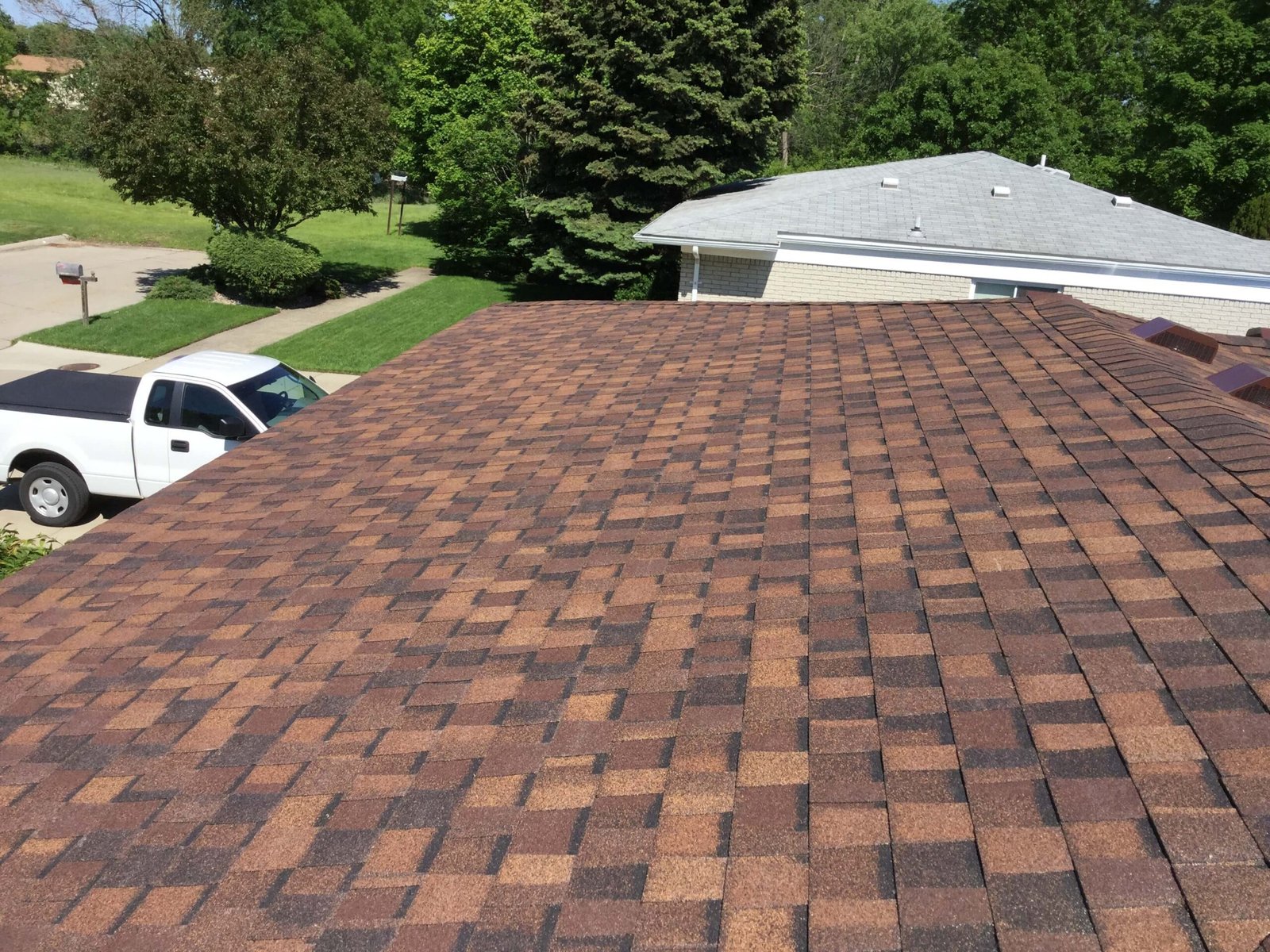
A severe storm can leave more than fallen branches and debris behind—it can cause significant roof damage that threatens your home’s safety and value. Whether the damage is caused by hail, high winds, heavy rain, or falling trees, replacing your roof can be a major financial expense. Fortunately, homeowners insurance may help cover eligible repairs or replacement costs.
Understanding the insurance claim roof replacement process helps you avoid delays, reduce stress, and ensure your home is restored as quickly as possible. Knowing what to expect before filing a claim can make the entire experience much smoother.
When Does Insurance Cover Roof Replacement?
Most homeowner insurance policies cover roof replacement when the damage results from sudden, unexpected events rather than normal wear and tear.
Common covered events include:
Hailstorms
Wind damage
Fallen trees
Lightning strikes
Fire damage
Tornadoes
Severe storms
However, insurers generally do not cover roofs that have deteriorated due to age, poor maintenance, neglect, or manufacturing defects.
Before filing a claim, review your insurance policy carefully to understand your coverage limits, deductibles, and exclusions.
Signs Your Roof May Have Storm Damage
Roof damage isn’t always obvious from the ground. Some problems become noticeable only after water begins entering your home.
Watch for these warning signs:
Missing shingles
Lifted or curling shingles
Cracked roofing materials
Granules collecting in gutters
Water stains on ceilings
Interior leaks
Sagging roof sections
Damaged flashing
Fallen tree limbs on the roof
Even small signs of damage should be inspected promptly to prevent further deterioration.
The Insurance Claim Process
Filing a roof insurance claim involves several important steps.
1. Assess the Damage Safely
After a storm, inspect your property from the ground. Avoid climbing onto the roof, especially if structural damage is suspected.
Take photographs of visible damage, fallen branches, broken gutters, damaged siding, and any interior water leaks.
Detailed documentation strengthens your insurance claim.
2. Contact Your Insurance Company
Notify your insurance provider as soon as possible after discovering the damage.
They will explain:
Your coverage
Claim requirements
Deductible amount
Inspection scheduling
Required documentation
Prompt reporting helps prevent unnecessary claim delays.
3. Schedule a Professional Roof Inspection
An experienced roofing contractor can identify storm damage that may not be visible to homeowners.
Professional inspections often include:
Roof surface evaluation
Flashing inspection
Vent assessment
Gutter inspection
Structural evaluation
Photographic documentation
A detailed inspection report can support your insurance claim.
4. Insurance Adjuster Inspection
Your insurance company will typically send an adjuster to inspect the property.
The adjuster evaluates:
Extent of damage
Cause of damage
Repair versus replacement needs
Estimated repair costs
Homeowners often benefit from having their roofing contractor present during the inspection to answer technical questions and ensure all damage is documented.
Repair or Full Roof Replacement?
Not every insurance claim results in a complete roof replacement.
The insurance company may recommend repairs if damage affects only a small section.
However, replacement may be necessary when:
Structural damage exists.
Multiple roof sections are damaged.
Repairs cannot restore roof integrity.
Local building codes require replacement.
Matching roofing materials are unavailable.
An experienced roofing professional can help determine the most appropriate solution.
Common Causes of Roof Insurance Claims
Hail Damage
Hail can crack shingles, loosen granules, dent metal roofing, and weaken the roof’s protective surface.
Even small hailstones may reduce your roof’s lifespan.
Wind Damage
Strong winds can lift shingles, expose underlayment, and allow moisture to enter your home.
Wind damage often worsens if left unrepaired.
Fallen Trees
Large tree limbs can puncture roofing materials and damage the underlying structure.
Immediate repairs help prevent water intrusion.
Heavy Rain
While rain alone rarely causes roof damage, existing weaknesses often allow water to enter during severe storms.
Leaks should always be investigated promptly.
Why Documentation Matters
Insurance companies rely heavily on documentation when reviewing claims.
Helpful documentation includes:
Storm dates
Photographs before and after the storm
Inspection reports
Repair estimates
Maintenance records
Receipts for temporary repairs
Keeping organized records can speed up the approval process.
Understanding Your Deductible
A deductible is the portion of repair costs you pay before insurance coverage begins.
Some homeowners mistakenly believe contractors can waive deductibles. In many states, this practice is prohibited.
Always understand your financial responsibility before signing a roofing contract.
Avoid Storm Chasing Contractors
Unfortunately, severe storms often attract inexperienced contractors offering quick repairs.
Protect yourself by choosing a roofing company that:
Is licensed and insured
Has local experience
Provides written estimates
Offers manufacturer-backed warranties
Has positive customer reviews
Communicates clearly throughout the project
Working with a reputable contractor helps ensure quality workmanship and long-term protection.
The Importance of Timely Repairs
Waiting too long after storm damage may create additional problems.
Delays can result in:
Water damage
Mold growth
Structural deterioration
Higher repair costs
Insurance claim complications
Temporary emergency repairs may help protect your home until permanent replacement begins.
Choosing Quality Roofing Materials
If replacement is approved, homeowners have several roofing options.
Popular choices include:
Asphalt Shingles
Affordable, durable, and available in numerous styles and colors.
Architectural Shingles
Provide enhanced durability and improved curb appeal.
Metal Roofing
Offers exceptional longevity and resistance to severe weather.
Impact-Resistant Roofing
Designed to withstand hail and reduce future storm damage.
Your roofing contractor can recommend materials best suited for your home’s location and climate.
Preventing Future Roof Damage
Although storms cannot be prevented, proactive maintenance reduces future risks.
Homeowners should:
Schedule annual roof inspections.
Clean gutters regularly.
Trim overhanging branches.
Replace damaged shingles promptly.
Inspect flashing around chimneys and vents.
Address small leaks immediately.
Routine maintenance extends roof life while minimizing future insurance claims.
Why Professional Guidance Makes a Difference
Navigating insurance paperwork, inspections, and roofing decisions can feel overwhelming.
Experienced roofing professionals help homeowners by:
Identifying hidden damage
Providing detailed inspection reports
Assisting during adjuster inspections
Explaining repair options
Completing high-quality installations
Ensuring code compliance
Their expertise simplifies the process and helps homeowners restore their property with confidence.
Frequently Asked Questions
1. Does homeowners insurance always cover roof replacement?
No. Insurance typically covers sudden storm-related damage but usually excludes normal wear, aging, neglect, and maintenance issues.
2. Should I call a roofer or my insurance company first?
Many homeowners schedule a professional roof inspection first to document damage before contacting their insurance provider.
3. How long do I have to file a roof insurance claim?
Deadlines vary by policy and state, but it’s best to report storm damage as soon as possible after it occurs.
4. Will my insurance rates increase after a roof claim?
It depends on your insurer, claim history, and the cause of damage. Catastrophic weather claims may be treated differently than other claims.
5. Can I choose my own roofing contractor?
Yes. In most cases, homeowners have the right to select the licensed roofing contractor they trust to complete the work.
Conclusion
Storm damage can happen without warning, but understanding the insurance claim roof replacement process helps homeowners protect their investment and avoid unnecessary stress. From documenting damage to working with experienced roofing professionals, every step plays an important role in restoring your home’s safety and value. When you need dependable guidance and expert roof replacement services, trust Kincaide Construction.