
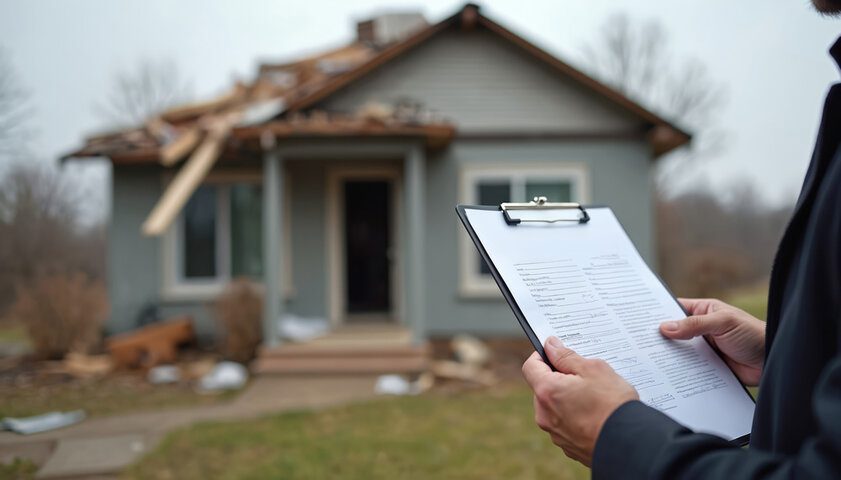
Your roof is one of the most important components of your home, protecting your family and belongings from the elements year-round. Unfortunately, severe weather, falling debris, hail, wind, and other unexpected events can cause significant roof damage. When repairs are no longer sufficient, a complete roof replacement may be necessary.
For many homeowners, the cost of replacing a damaged roof can be overwhelming. Fortunately, homeowner’s insurance may help cover the expense when the damage is caused by a covered event. However, navigating the insurance claim process can often feel confusing and stressful, especially if you’ve never filed a claim before.
Understanding how insurance claim roof replacement works can help you avoid delays, maximize your benefits, and ensure your property is restored properly. In this guide, we’ll explain the process, common challenges, and tips for a successful roofing insurance claim.
Understanding Insurance Claim Roof Replacement
An insurance claim roof replacement occurs when a homeowner files a claim with their insurance company after roof damage caused by a covered peril.
Covered events often include:
- Hail storms
- Wind damage
- Falling trees
- Lightning strikes
- Fire damage
- Severe weather events
If the insurance company determines the damage qualifies under the policy terms, they may approve partial or full replacement coverage.
Common Causes of Roof Damage
Many homeowners don’t realize the extent of roof damage until problems become visible inside the home.
Hail Damage
Hail can cause:
- Shingle bruising
- Granule loss
- Cracked shingles
- Hidden structural damage
Even small hailstones may compromise roofing materials and shorten the roof’s lifespan.
Wind Damage
Strong winds can:
- Lift shingles
- Break seals
- Remove roofing materials
- Expose underlayment
Wind-related damage often creates vulnerabilities that lead to leaks.
Falling Trees and Debris
Storms frequently cause tree limbs or entire trees to fall onto roofs.
This can result in:
- Structural damage
- Roof punctures
- Water intrusion
- Safety hazards
Storm-Related Wear
Severe weather can accelerate deterioration and create conditions that require extensive repairs or replacement.
Signs Your Roof May Qualify for an Insurance Claim
After a major weather event, homeowners should inspect their property for warning signs.
Common indicators include:
Missing Shingles
Missing or displaced shingles expose underlying materials to moisture and further damage.
Water Leaks
Interior water stains often signal roofing problems that require immediate attention.
Granules in Gutters
Excessive granule loss can indicate storm-related deterioration.
Dented Flashing or Vents
Visible dents may suggest hail damage significant enough to warrant a professional inspection.
Sagging Areas
Structural weakness may indicate severe roof damage.
If you notice any of these issues, scheduling a professional inspection is an important first step.
Step 1: Schedule a Professional Roof Inspection
Before filing a claim, many homeowners benefit from having their roof inspected by an experienced roofing contractor.
A thorough inspection helps:
- Identify visible damage
- Document affected areas
- Estimate repair or replacement needs
- Provide supporting evidence for the claim
Professional documentation often strengthens the insurance process and helps ensure all damage is properly identified.
Step 2: Contact Your Insurance Company
Once damage has been confirmed, notify your insurance provider as soon as possible.
When filing the claim, be prepared to provide:
- Policy information
- Date of the damage event
- Photos of affected areas
- Inspection reports
- Contact details
Prompt reporting helps avoid unnecessary delays.
Step 3: Meet with the Insurance Adjuster
After receiving your claim, the insurance company typically assigns an adjuster to inspect the property.
The adjuster evaluates:
- Extent of damage
- Cause of loss
- Coverage eligibility
- Estimated repair costs
Having your roofing contractor present during the inspection can help ensure all damage is properly identified and discussed.
Step 4: Review the Insurance Estimate
Following the inspection, the insurance company provides an estimate outlining:
- Covered damages
- Repair or replacement scope
- Approved compensation
- Deductible requirements
Review the estimate carefully.
If discrepancies exist between the insurance assessment and contractor findings, additional documentation may be necessary.
Step 5: Approval and Project Scheduling
Once the claim is approved, the replacement project can move forward.
At this stage, homeowners typically:
- Select roofing materials
- Finalize project details
- Schedule installation
- Coordinate timelines
Working with an experienced contractor helps ensure a smooth transition from claim approval to construction.
Why Documentation Is Critical
Accurate documentation is one of the most important aspects of a successful claim.
Helpful records include:
- Photographs
- Inspection reports
- Repair estimates
- Maintenance records
- Weather event information
Detailed evidence strengthens your position and helps support claim approval.
Common Challenges During Insurance Claims
Although many claims proceed smoothly, some homeowners encounter obstacles.
Claim Denials
Insurance companies may deny claims if:
- Damage is not covered
- Maintenance issues contributed to the problem
- Insufficient evidence exists
Underestimated Damage
Initial assessments may overlook hidden damage beneath roofing materials.
Coverage Limitations
Policies vary in terms of exclusions, depreciation, and reimbursement methods.
Understanding your policy helps manage expectations throughout the process.
Replacement Cost Value vs. Actual Cash Value
Many homeowners are unfamiliar with these two common coverage types.
Replacement Cost Value (RCV)
RCV policies generally cover the cost of replacing damaged materials with comparable new materials, subject to policy terms and deductibles.
Actual Cash Value (ACV)
ACV policies consider depreciation when calculating reimbursement amounts.
As a result, homeowners may receive less compensation compared to replacement cost coverage.
Reviewing your policy can help clarify which coverage applies.
Benefits of Professional Roofing Assistance
Roofing professionals play an important role throughout the claim process.
Accurate Damage Assessment
Experienced contractors can identify damage that may not be immediately visible.
Comprehensive Documentation
Detailed reports and photographs support the claim.
Communication Support
Contractors often work directly with adjusters to clarify findings and project requirements.
Quality Installation
Once approved, professional installation ensures the new roof meets industry standards and local building codes.
Why Timely Action Matters
Delaying a claim can create additional complications.
Potential consequences include:
- Increased damage
- Water intrusion
- Mold growth
- Structural deterioration
- Reduced claim support
Prompt inspections and reporting help protect both your property and your coverage rights.
Choosing the Right Roofing Contractor
Not all roofing companies offer the same level of expertise.
When selecting a contractor, consider:
Experience
Choose a company with extensive roof replacement experience.
Licensing and Insurance
Verify proper credentials and insurance coverage.
Reputation
Review customer feedback and project history.
Insurance Claim Experience
Contractors familiar with insurance claims can help simplify the process.
Quality Materials
High-quality roofing products contribute to long-term durability and protection.
Benefits of a New Roof
Once replacement is complete, homeowners often enjoy numerous advantages.
Improved Protection
A new roof helps safeguard the home from future weather events.
Increased Property Value
Roof replacement can enhance curb appeal and buyer confidence.
Better Energy Efficiency
Modern roofing systems often improve insulation performance and reduce energy costs.
Greater Peace of Mind
Knowing your roof is structurally sound provides confidence during future storms.
Tips for a Successful Roof Insurance Claim
To improve your chances of a positive outcome:
- Document damage immediately
- Schedule a professional inspection
- Review your insurance policy
- Maintain communication with your insurer
- Keep detailed records
- Address issues promptly
Preparation and organization can make the process significantly easier.
Conclusion
Roof damage can be stressful, but understanding the insurance claim roof replacement process helps homeowners navigate the situation with confidence. From documenting storm damage and working with insurance adjusters to selecting quality materials and completing installation, each step plays an important role in restoring your home’s protection. Acting quickly, maintaining accurate records, and partnering with experienced professionals can help ensure a smoother experience and maximize available coverage. For trusted guidance throughout the roof replacement process, homeowners can rely on Kincaide Construction for expert support and quality workmanship.
Frequently Asked Questions
1. Will homeowners insurance cover roof replacement?
Insurance may cover replacement if the damage was caused by a covered event such as hail, wind, fire, or falling debris, subject to policy terms.
2. How do I know if my roof qualifies for an insurance claim?
A professional inspection can identify storm-related damage and determine whether filing a claim is appropriate.
3. How long does the insurance claim process take?
Timelines vary depending on the insurer, claim complexity, inspections, and approval requirements.
4. Should I contact a roofing contractor before filing a claim?
Yes. A professional inspection can help document damage and provide valuable information before submitting a claim.
5. What if the insurance estimate is lower than the contractor’s estimate?
Additional documentation and communication between the contractor and insurance company may help address discrepancies.