
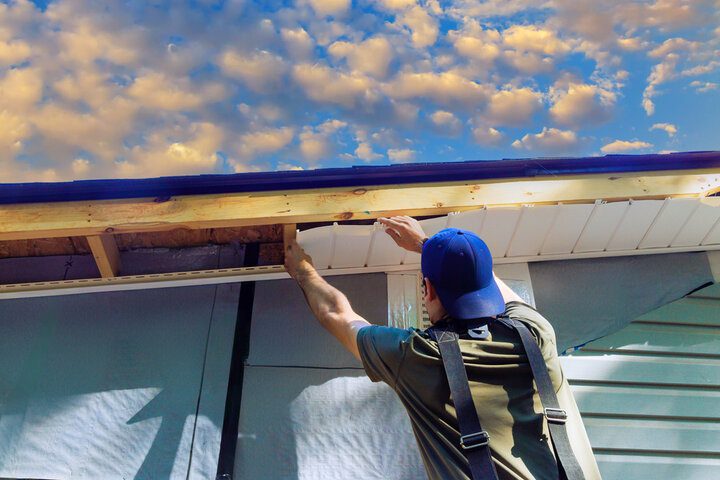
Your home’s roof and exterior are its first line of defense against rain, snow, wind, ice, and changing temperatures. In Livonia, MI, harsh seasonal weather can gradually wear down shingles, siding, gutters, flashing, and other exterior components.
A small roofing issue may start with a missing shingle or minor leak but eventually develop into water damage, insulation problems, or costly structural repairs. Likewise, damaged siding or clogged gutters can allow moisture to affect areas that are difficult to see.
Choosing the right roofing and exterior contractor in Livonia, MI can help homeowners identify problems early, protect their property, and maintain curb appeal.
Why Your Roof and Exterior Need Regular Attention
Many exterior problems develop slowly. A homeowner may not notice damage until it becomes obvious inside the house.
For example, a damaged shingle can allow moisture beneath the roofing materials. A blocked gutter can cause water to overflow near the foundation. Cracked siding can allow moisture to reach the wall system.
Routine inspections and timely repairs can help prevent minor issues from becoming larger projects.
A professional exterior contractor can evaluate the condition of multiple components and determine which repairs deserve immediate attention.
Common Roofing Problems in Livonia Homes
Michigan weather can be demanding on residential roofing systems. Homeowners should watch for several common warning signs.
Missing or Damaged Shingles
Strong winds and severe weather can loosen or damage shingles. Missing sections leave the underlying roofing system more exposed to moisture.
Even if the damage appears small, it is worth having the affected area inspected.
Roof Leaks
Water stains on ceilings or walls can indicate a roofing problem. However, the visible stain is not always directly below the actual leak.
Water can travel along roofing materials or structural components before becoming visible inside the home. This is why professional leak diagnosis can be important.
Aging Roofing Materials
Roofing materials have different expected service lives. As a roof ages, the likelihood of wear-related problems generally increases.
Curling, cracking, granule loss, exposed areas, and repeated repairs may indicate that the system needs a more detailed evaluation.
Damaged Flashing
Flashing helps protect vulnerable areas where roofing materials meet walls, chimneys, vents, skylights, or other structures.
Damaged or improperly sealed flashing can become a pathway for moisture.
When Should You Consider Roof Replacement?
Not every roofing problem requires a complete replacement. Some localized issues can be repaired effectively.
However, replacement may become more practical when the roof has extensive damage, is near the end of its useful life, or requires frequent repairs.
A professional evaluation can help determine whether repair or replacement makes more financial sense.
Homeowners should also consider the condition of the entire system rather than focusing only on one damaged area.
Why Siding Matters More Than Curb Appeal
Siding does more than make a house look attractive. It helps protect the exterior walls from weather exposure and contributes to the home’s overall envelope.
Damaged siding can include:
Cracks
Holes
Warping
Loose panels
Fading
Rot
Moisture damage
Visible deterioration should be inspected before it spreads.
Replacing or repairing damaged siding can improve the appearance of a property while helping protect underlying materials.
How Gutters Protect Your Home
Gutters are an important part of the exterior drainage system. They collect rainwater from the roof and direct it toward appropriate discharge locations.
When gutters become clogged or damaged, water may overflow.
Potential warning signs include:
Water spilling over gutter edges
Sagging sections
Detached gutters
Rust or corrosion
Pools of water near the foundation
Staining on exterior walls
Plants growing inside the gutter
Regular gutter cleaning and inspection can help keep rainwater moving away from vulnerable areas.
The Importance of Exterior Inspections
Homeowners often inspect the roof from the ground and assume everything looks fine. Unfortunately, some damage is difficult to identify without a closer evaluation.
A professional inspection can look at:
Shingles
Flashing
Roof penetrations
Siding
Gutters
Downspouts
Soffits
Fascia
Exterior trim
Visible signs of moisture
Finding problems early can give homeowners more repair options and help prevent emergency situations.
How Michigan Weather Can Affect Your Home
Livonia homes experience a variety of seasonal conditions throughout the year.
Winter can bring snow, freezing temperatures, ice, and repeated freeze-thaw cycles. Spring can bring heavy rain and changing temperatures. Summer storms can bring high winds and intense rainfall, while fall can bring leaves and debris that affect drainage systems.
These changing conditions can gradually affect exterior materials.
That is why seasonal inspections can be valuable, especially after significant storms.
What to Do After a Severe Storm
After strong winds or heavy storms, homeowners should inspect their property from a safe location.
Look for:
Missing shingles
Fallen branches
Damaged siding
Loose exterior materials
Gutter damage
Visible leaks
Water stains
Debris on the roof
Do not climb onto the roof to inspect damage yourself if conditions are unsafe.
If you see signs of significant damage, contact a qualified professional for an assessment.
Repair or Replace: How to Make the Right Decision
One of the most common questions homeowners face is whether they should repair a damaged component or replace it entirely.
The answer depends on several factors.
Extent of damage: A small localized problem may be repairable, while widespread deterioration may require replacement.
Age: Older materials may have less remaining service life, making replacement more practical.
Repair history: Repeated repairs can become expensive over time.
Underlying condition: Surface damage may sometimes hide moisture or structural concerns.
Long-term plans: Homeowners planning to remain in the property for many years may prefer a more comprehensive solution.
A professional contractor can explain the options and help you compare short-term and long-term costs.
Benefits of Hiring a Local Exterior Contractor
Working with a local contractor offers several advantages.
A local professional understands common regional weather conditions and can recommend materials and solutions appropriate for the area.
Local contractors are also more accessible for inspections, follow-up work, and maintenance.
When comparing companies, homeowners should look for experience, clear communication, proper insurance, references or reviews, and detailed estimates.
Avoid choosing a contractor based solely on the lowest price. A low initial estimate may not reflect the full scope of necessary work.
How to Prepare for a Roofing Project
Good preparation can make an exterior project easier.
Before work begins, discuss:
Project scope
Materials
Estimated timeline
Cleanup
Warranty information
Payment schedule
Permits, if applicable
Access requirements
Move fragile items away from exterior walls if necessary and secure loose outdoor objects.
Clear communication before work begins can help prevent misunderstandings later.
Ways to Protect Your Roof and Exterior
Regular maintenance can help extend the life of exterior components.
Consider these practical steps:
Keep Gutters Clear
Remove leaves and debris so water can flow properly.
Trim Nearby Branches
Tree limbs can scrape roofing materials or fall during storms.
Inspect After Severe Weather
Look for visible damage after major wind, rain, or winter weather.
Address Small Leaks Quickly
Do not wait for a minor leak to become extensive water damage.
Watch Your Attic and Interior Ceilings
Water stains, damp areas, or unexplained moisture can indicate an exterior problem.
Schedule Professional Inspections
A trained professional may identify damage that is difficult to see from the ground.
Frequently Asked Questions
1. How often should I have my roof inspected?
Many homeowners benefit from periodic professional inspections, particularly after severe weather or when the roof is aging. The appropriate frequency depends on the roof’s condition and age.
2. How do I know if my roof needs repair or replacement?
Missing shingles, leaks, widespread deterioration, and repeated repairs may indicate a larger problem. A professional inspection can determine whether repair or replacement is appropriate.
3. Can damaged siding cause water damage?
Yes. Cracks, holes, loose panels, or deteriorated siding can allow moisture to reach underlying materials. Prompt inspection can help limit potential damage.
4. Why are my gutters overflowing when it rains?
Common causes include clogged gutters, damaged sections, improper slope, inadequate capacity, or downspout blockages. Cleaning and professional inspection can help identify the cause.
5. Should I inspect my roof after a storm?
Yes, but do so from a safe location. Look for visible signs such as missing shingles, debris, or damaged exterior components. Avoid climbing onto the roof and contact a professional if damage is suspected.
Protect Your Livonia Home From the Outside In
Your roof, siding, gutters, and other exterior components work together to protect your home from Michigan’s changing weather. Ignoring small signs of damage can allow moisture and deterioration to spread, potentially turning a manageable repair into a much larger project.
Regular inspections, timely maintenance, and professional repairs can help keep your home protected and looking its best.
If you need dependable roofing, siding, gutter, or exterior services, Kincaide Construction can help evaluate your property’s needs and recommend an appropriate solution.