
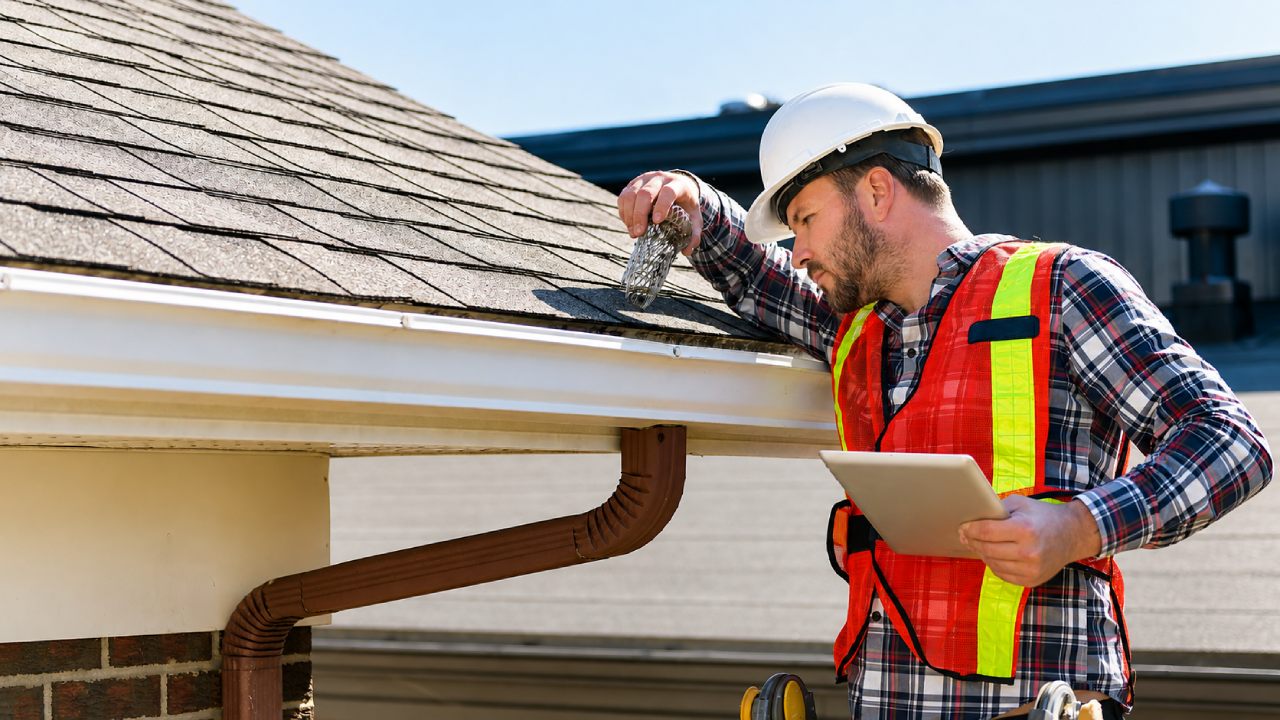
A Residential Roof Inspection is a systematic review of the visible and safely accessible parts of a home’s roofing system. The goal is to identify signs of wear, water entry, storm damage, ventilation concerns, flashing problems, and other conditions that may require monitoring, maintenance, repair, rejuvenation, or replacement. Professional inspections can help homeowners understand the roof’s current condition before a small concern develops into a larger problem. NRCA also recommends routine inspections because they can reveal issues such as damaged shingles, deteriorated flashing, and excessive granule accumulation before serious leakage becomes obvious.
For Brownstown and Downriver homeowners, Kincaide Construction approaches roofing as a complete system rather than looking only at the shingles. Its residential roofing services consider visible roofing materials, flashing, penetrations, valleys, roof edges, ventilation, decking concerns, and signs of water intrusion when determining an appropriate next step.
What Is Included in a Roof Inspection?
Homeowners often want to know what is included in a roof inspection before scheduling one. The exact scope can vary based on roof design, accessibility, weather, and safety conditions, but a professional assessment generally focuses on the roof covering, flashing, penetrations, drainage, structural clues, and interior or attic evidence that may indicate moisture problems.
A useful roof inspection checklist for homeowners should cover more than visible shingle damage. The inspector should look at how the individual components work together to shed water, manage moisture, and protect the structure.
1. Roofing Materials and Shingle Condition
For asphalt-roofed homes, an asphalt shingle roof inspection may look for missing, lifted, cracked, curled, damaged, or noticeably deteriorated shingles. The inspector may also note unusual granule loss, exposed fasteners, damaged edges, or areas where wind has disturbed the roof covering.
If you are wondering what roof inspectors look for, shingle condition is only one part of the answer. Flashing, penetrations, valleys, vents, drainage, decking clues, and interior moisture evidence can be equally important. Owens Corning likewise recommends checking roofing surfaces for damage and using routine inspections to catch developing problems.
2. Roof Decking, Sheathing, and Structural Clues
A roof decking inspection looks for visible or accessible indications that the supporting surface beneath the roofing materials may have been affected by moisture or deterioration. Depending on accessibility, concerns may include unusual movement, soft-looking areas, sagging, or evidence of previous water entry.
A roof sheathing inspection focuses more specifically on the panels or boards attached to the framing beneath the roofing system. Because much of this material is concealed by shingles and underlayment, its full condition cannot always be confirmed without access from the attic or removal of roofing materials.
Similarly, a roof structure inspection can identify visible warning signs involving rafters, trusses, decking, or other accessible structural components. An ordinary roofing inspection is not the same as an engineering analysis, so structural concerns that fall outside a roofing contractor’s scope may require further evaluation by an appropriate professional.
3. Flashing, Valleys, and Roof Penetrations
A Residential Roof Inspection should pay close attention to locations where water has a greater chance of entering the system. These commonly include:
- Chimney flashing
- Wall-to-roof transitions
- Valleys
- Plumbing vent penetrations
- Roof vents
- Skylight surrounds, when present.
- Exposed fasteners
- Roof edges
Flashing deterioration can be significant even when surrounding shingles still look serviceable. NRCA specifically identifies deteriorated flashing and loose roof-system details as conditions that routine inspections can uncover.
Does an Inspection Check for Roof Leaks?
A roof leak inspection attempts to identify roofing conditions that could correspond with active or previous water intrusion. The visible stain inside a home is not always directly beneath the exterior entry point because water can travel along decking, framing, or other surfaces before becoming noticeable indoors.
The inspector may compare exterior conditions with accessible attic or interior evidence, including staining, damp areas, discolored materials, or signs that water has previously entered the building. This helps turn a general complaint such as “my ceiling is leaking” into a more focused roof evaluation.
Concerned about a leak or visible roof damage? Kincaide Construction serves homeowners throughout its Brownstown roofing service area and surrounding Downriver communities. Schedule an inspection before deciding whether repair or more extensive work is appropriate.
What Does the Attic Tell You About the Roof?
When the attic is safely accessible and relevant to the roofing concern, a roof and attic inspection can provide information that is difficult to obtain from the exterior alone. Inspectors may look for moisture staining, signs of water entry, visible decking conditions, ventilation configuration, and other clues related to roof performance.
An attic ventilation inspection may evaluate visible intake and exhaust ventilation conditions. Proper ventilation is an important part of a roofing system; Owens Corning advises homeowners to have contractors check existing attic ventilation and explain whether it is adequate for the roofing system.
Inspection does not mean every concealed condition can be identified. Areas blocked by insulation, finishes, stored belongings, roofing materials, or inaccessible construction may require additional investigation if a significant problem is suspected.
Are Gutters Included?
A roof and gutter inspection can help identify drainage conditions that affect how water leaves the roof. Inspectors may observe gutter attachment, visible debris buildup, roof-edge conditions, downspout discharge, or signs that water is overflowing or collecting where it should not.
The purpose is not to turn the inspection into a separate gutter project. It is to understand whether drainage conditions may be contributing to moisture around the roof edge, fascia, siding, or nearby building components.
How Is Storm Damage Evaluated?
After severe weather, a roof damage inspection focuses on conditions that may have changed because of wind, hail, falling debris, or other weather-related events.
A wind damage roof inspection may look for lifted, creased, missing, displaced, or loosened shingles and damage around edges or penetrations. A hail damage roof inspection may involve examining shingles, flashing, vents, and other exposed components for impact-related evidence.
Storm inspection findings do not guarantee insurance coverage. Coverage decisions are made by the homeowner’s insurer according to the policy, cause of loss, documentation, and claim evaluation. Kincaide states that it assists homeowners with storm-damage documentation and insurance-related roofing questions.
What Does a Roof Inspection Consist Of From Start to Finish?
For homeowners asking what a roof inspection consists of, the typical roof inspection process can be understood in four stages.
Step 1: Discuss the Concern
The contractor should first understand why the inspection is being requested. Useful information includes roof age if known, leak history, previous repairs, recent storms, areas of concern, and any changes the homeowner has noticed.
Step 2: Examine Accessible Roofing Components
A roof condition inspection reviews visible roofing materials and the surrounding system for deterioration, defects, storm-related concerns, and locations vulnerable to water entry.
Step 3: Connect the Findings
Individual observations should be considered together. For example, a damaged shingle, attic stain, and flashing problem may tell a different story when evaluated together than any one symptom considered alone.
Step 4: Explain the Next Step
A useful roof inspection and consultation should leave the homeowner understanding what was observed, what requires attention, what can be monitored, and whether additional investigation is warranted.
Kincaide’s current residential service approach is condition-based: the company states that it evaluates the roofing system and explains whether targeted repair, rejuvenation, or replacement is appropriate rather than treating every problem as an automatic full replacement.
How Long Does a Roof Inspection Take?
There is no universal answer to how long a roof inspection takes. Inspection time can vary according to roof size, pitch, number of roof sections, accessibility, weather, attic access, and the complexity of the concern being investigated.
A straightforward roof may require less time than a larger home with multiple slopes, valleys, penetrations, additions, previous repairs, or a difficult-to-trace leak. Quality of evaluation matters more than completing the inspection within an arbitrary number of minutes.
When Should Homeowners Schedule an Inspection?
If you are asking how often you should have your roof inspected, the right schedule depends on roof condition, age, exposure, previous problems, and severe-weather events. NRCA notes that inspections performed twice per year can help uncover visible roofing problems, while homeowners may also need additional assessment after significant weather or when a new concern appears.
An annual roof inspection can be useful for homeowners who want to document changing conditions over time. A winter roof inspection may also be appropriate when cold-weather conditions expose problems involving moisture, weather damage, or vulnerable roofing components, provided exterior conditions allow the inspection to be performed safely.
Common signs it’s time for a roof inspection include missing or lifted shingles, visible flashing damage, unexplained ceiling stains, recurring moisture, unusual granule accumulation, storm exposure, or changes in the appearance of the roof.
A periodic roof health check is particularly useful for identifying roof problems early, when the homeowner may still have more options for addressing the condition.
Not sure whether your roof needs attention? Learn more about Kincaide Construction and its roofing and exterior services, or review the company’s experience and credentials before scheduling an assessment. Kincaide identifies itself as a family-owned contractor with more than 35 years of experience, in-house crews, Owens Corning Preferred Contractor status, and an A+ BBB rating.
Should a Roof Be Inspected When Buying a Home?
A roof inspection before buying a house can give a prospective homeowner more roofing-specific information than relying only on how the shingles look from the ground. The assessment may identify visible deterioration, flashing concerns, drainage issues, evidence of previous repairs, or conditions that deserve additional investigation.
This should complement—not automatically replace—the appropriate home inspection, disclosures, and other professional evaluations involved in a property purchase.
For homeowners thinking about how exterior improvements affect a property over time, Kincaide’s Brownstown property value improvement guide provides additional local context.
Should a New Roof Be Inspected After the Work Is Finished?
A roof inspection after installation can be used as a final quality-control step to review visible completed work, cleanup, roofing details, and any project-specific items that need follow-up. Owens Corning also recommends discussing contractor practices, ventilation, and warranty information as part of a roofing project.
For the homeowner, the important outcome is clear documentation of what was completed and an understanding of whom to contact if a concern develops later.
Schedule a Residential Roof Inspection in Brownstown, MI
A Residential Roof Inspection gives you a clearer basis for deciding what your home actually needs. Instead of guessing from roof age or a single visible symptom, an inspection considers the roofing system as a whole and identifies conditions that should be repaired, monitored, or investigated further.
Kincaide Construction offers a free residential roof inspection for homeowners seeking a condition-based assessment of their roofing needs. To discuss a leak, storm concern, aging roof, or other issue, contact Kincaide Construction to schedule an inspection or request an estimate.
Frequently Asked Questions
Is a roof inspection the same as a roof repair estimate?
No. An inspection determines visible conditions and helps establish what may need attention. An estimate describes the proposed scope and cost of work after the problem and appropriate solution have been identified.
Does every roof problem mean replacement?
No. Localized problems may sometimes be addressed with targeted repairs, while other roofs may qualify for rejuvenation or require replacement depending on overall condition. Kincaide’s Residential Roofing page describes repair, installation, and replacement as separate options based on the condition of the home.
Can an inspection find every hidden problem?
No. A professional Residential Roof Inspection evaluates visible and safely accessible conditions. Roofing layers, concealed decking, enclosed framing, and inaccessible spaces can limit what can be confirmed without further investigation.
Should I inspect the roof after a major storm even if there is no leak?
It may be worthwhile when the property experienced significant wind, hail, falling debris, or visible exterior damage. Some roofing problems do not immediately create an interior leak.