
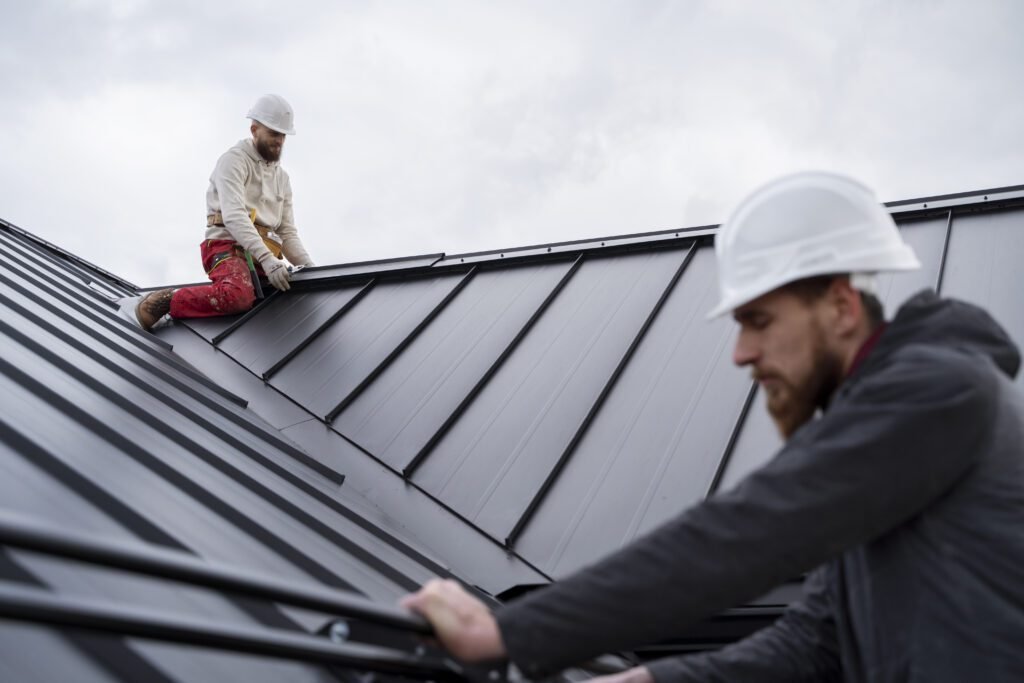
Your home’s exterior is its first line of defense against the elements. From heavy rain and strong winds to extreme heat and cold, your roof, siding, gutters, and insulation all work together to protect your property and keep your indoor environment comfortable.
However, over time, these systems begin to wear down. Ignoring early warning signs can lead to costly repairs, structural damage, and reduced energy efficiency. That’s why it’s essential to recognize when your home’s exterior needs an upgrade.
In this comprehensive guide, we’ll walk you through the key signs that indicate it’s time to repair or replace your roofing, siding, gutters, and insulation—so you can take action before small issues turn into major problems.
1. Warning Signs Your Roof Needs Attention
Your roof is one of the most critical components of your home’s exterior. It protects everything beneath it, so any damage should be addressed quickly.
Common signs of roof damage:
🏚️ Missing or damaged shingles
Shingles that are cracked, curled, or missing expose your roof to water damage.
💧 Leaks and water stains
Water stains on ceilings or walls often indicate a roof leak.
🌪️ Storm damage
After severe weather, your roof may suffer from hidden damage that weakens its structure.
⏳ Aging roof
Most roofs last 20–30 years. If yours is nearing this age, it may be time for a replacement.
Why it matters:
Ignoring roof issues can lead to:
- Mold growth
- Structural damage
- Increased repair costs
When to upgrade:
If repairs are frequent or damage is widespread, replacing your roof is often the most cost-effective solution.
2. Signs Your Siding Is Failing
Siding not only enhances your home’s appearance but also protects it from moisture and pests.
Key warning signs:
🎨 Fading or discoloration
This can indicate weather damage or aging materials.
🧱 Cracks, warping, or holes
Damaged siding allows moisture to seep into your home.
🌧️ Mold, mildew, or rot
These are signs of trapped moisture behind the siding.
💸 Rising energy bills
Poor siding insulation can lead to heat loss or gain.
Impact of damaged siding:
- Reduced curb appeal
- Increased energy costs
- Potential structural damage
Upgrade benefits:
Replacing siding improves:
- Home appearance
- Energy efficiency
- Property value
3. Gutter Problems You Shouldn’t Ignore
Gutters play a vital role in directing water away from your home. When they fail, serious issues can arise.
Common gutter issues:
🌊 Overflowing water
This often indicates clogs or improper drainage.
🪛 Sagging or detached gutters
Loose gutters can’t function properly.
🏠 Water pooling near foundation
This can lead to foundation damage.
🍂 Frequent clogs
Leaves and debris can block water flow.
Why gutters matter:
Properly functioning gutters:
- Prevent water damage
- Protect your foundation
- Reduce erosion around your home
When to upgrade:
If your gutters require constant repairs or cleaning, it may be time for a replacement or upgrade.
4. Insulation Issues That Affect Comfort and Efficiency
Insulation is often overlooked, but it plays a crucial role in maintaining indoor comfort and energy efficiency.
Signs of poor insulation:
🌡️ Uneven indoor temperatures
Hot and cold spots throughout your home.
💡 High energy bills
Poor insulation forces your HVAC system to work harder.
❄️ Drafts and air leaks
Indicates gaps in insulation.
🧊 Ice dams in winter
Caused by heat escaping through the roof.
Why insulation matters:
- Keeps your home comfortable year-round
- Reduces energy consumption
- Prevents moisture buildup
Upgrade benefits:
Improved insulation can significantly lower energy costs and enhance indoor comfort.
5. How These Systems Work Together
Your roof, siding, gutters, and insulation don’t function independently—they work as a system to protect your home.
Example of system interaction:
- Roof directs water to gutters
- Gutters channel water away from foundation
- Siding protects walls from moisture
- Insulation maintains indoor temperature
What happens when one fails:
- A damaged roof can lead to siding issues
- Poor gutters can cause foundation problems
- Bad insulation increases energy costs
Key takeaway:
Upgrading one component without addressing others may not fully solve the problem.
A comprehensive approach ensures long-term protection and efficiency.
6. When to Repair vs. Replace Your Home’s Exterior
Knowing when to repair or replace is essential for making cost-effective decisions.
Choose repairs if:
- Damage is minor and localized
- Systems are relatively new
- Issues are infrequent
Choose replacement if:
- Damage is widespread
- Systems are aging
- Repairs are becoming frequent and costly
Benefits of full exterior upgrades:
- Improved home protection
- Increased property value
- Enhanced energy efficiency
- Better curb appeal
Professional assessment:
A qualified contractor can inspect your home and recommend the best course of action based on your specific needs.
Conclusion
Your home’s exterior plays a critical role in protecting your property, maintaining comfort, and preserving value. By recognizing the warning signs of damage in your roofing, siding, gutters, and insulation, you can take proactive steps to prevent costly repairs and ensure your home remains in top condition.
Regular inspections and timely upgrades not only enhance your home’s appearance but also improve its efficiency and durability. Whether you need minor repairs or a complete exterior renovation, addressing these issues early will save you time, money, and stress in the long run.