
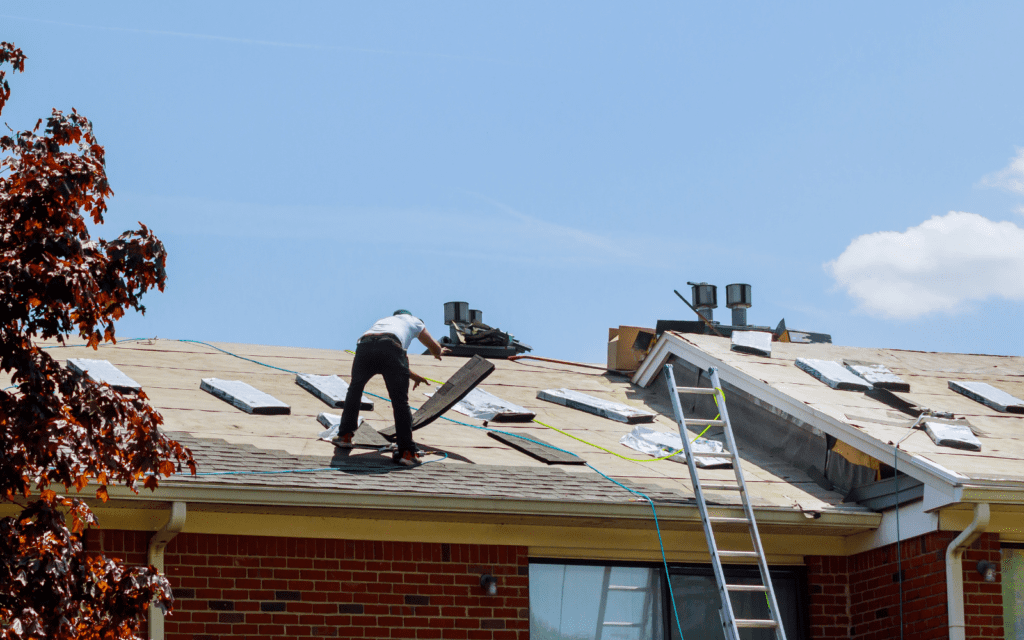
When a storm hits, your roof is the first line of defense—and often the most affected part of your home. High winds, heavy rain, hail, and flying debris can cause both visible and hidden damage. Acting quickly after a storm is critical to prevent leaks, structural issues, and expensive repairs.
If you’re a homeowner dealing with storm aftermath, understanding storm damage roof repair can help you make smart, timely decisions and protect your property for the long term.
What Is Storm Damage Roof Repair?
Storm damage roof repair is the process of inspecting, fixing, and restoring your roof after it has been affected by severe weather. This can range from minor fixes like replacing shingles to major structural repairs or even full roof replacement.
Storm damage can impact multiple layers of your roof—from the outer shingles to the underlying structure—making professional inspection essential.
Common Types of Storm Damage
Storms can cause different types of damage depending on their intensity and duration:
Wind Damage
Strong winds can lift, loosen, or completely remove shingles, exposing your roof to water infiltration.
Hail Damage
Hail can dent, crack, or puncture roofing materials, weakening their protective ability and leading to leaks.
Water & Rain Damage
Heavy rain can cause water pooling or seep into cracks, resulting in mold, rot, and interior damage.
Debris Impact
Falling branches or debris can puncture the roof or damage flashing and gutters.
Signs You Need Storm Damage Roof Repair
Not all damage is obvious immediately. Here are key warning signs to watch for:
- Missing or broken shingles
- Water stains on ceilings or walls
- Leaks during or after rain
- Damaged flashing around vents or chimneys
- Debris buildup or visible dents
Even minor issues can lead to major damage if left untreated.
Why Immediate Repairs Are Crucial
Delaying repairs after a storm can cause:
- Water damage to walls, ceilings, and insulation
- Mold growth due to trapped moisture
- Structural weakening of the roof
- Higher repair costs over time
Quick action helps prevent small problems from turning into expensive repairs.
Storm Damage Roof Repair Process
Professional repair typically follows a structured approach:
1. Inspection & Assessment
Experts evaluate visible and hidden damage, including structural integrity.
2. Emergency Protection
Temporary solutions like tarping prevent further water intrusion.
3. Documentation
Damage is recorded for insurance claims with photos and reports.
4. Repair or Replacement
Depending on severity, contractors repair sections or replace the roof.
5. Final Inspection
Ensures the roof is secure, sealed, and compliant with building standards.
What to Do After a Storm
If your home has been hit by a storm, follow these steps:
- Inspect your property from the ground (avoid climbing the roof)
- Document visible damage with photos
- Prevent further damage if safe (cover exposed areas)
- Contact a professional roofing contractor
- File an insurance claim if necessary
Taking these steps ensures a smoother repair process and protects your investment.
Insurance & Storm Damage Repairs
Many homeowners’ insurance policies cover storm-related roof damage. However, coverage depends on:
- Cause of damage (storm vs wear and tear)
- Extent of damage
- Policy terms and deductibles
Proper documentation and professional assessment increase the chances of claim approval.
Repair vs Replacement: What’s Right for You?
The decision depends on the severity of the damage:
- Minor Damage: Shingle replacement or small repairs
- Moderate Damage: Partial roof repair
- Severe Damage: Full roof replacement
If more than a significant portion of the roof is damaged, replacement may be required to meet building codes.
Benefits of Professional Storm Damage Repair
Hiring experienced professionals ensures:
- Accurate damage assessment
- Proper repair techniques
- Compliance with local building codes
- Long-lasting protection
- Assistance with insurance claims
DIY fixes may seem cost-effective but often lead to bigger problems if not done correctly.
How to Prevent Future Storm Damage
While storms are unpredictable, you can reduce risks by:
- Scheduling regular roof inspections
- Keeping gutters clean
- Trimming nearby trees
- Using high-quality roofing materials
- Addressing minor issues promptly
Preventive maintenance can significantly extend your roof’s lifespan.
Long-Term Value of Timely Repairs
Investing in timely storm damage repair offers:
- Enhanced home safety
- Improved energy efficiency
- Higher property value
- Reduced long-term costs
It’s not just about fixing damage—it’s about protecting your home’s future.
Frequently Asked Questions (FAQs)
1. How soon should I repair storm damage on my roof?
As soon as possible. Delays can lead to leaks, mold, and structural damage.
2. Does insurance cover storm damage roof repair?
Most policies do, but coverage depends on the cause and policy terms.
3. Can I inspect my roof myself after a storm?
You can check from the ground, but professional inspection is recommended for safety and accuracy.
4. How do I know if I need repair or replacement?
A professional assessment determines whether the damage is minor or extensive.
5. What is the most common type of storm roof damage?
Wind and hail damage are the most common, often causing missing shingles and leaks.
Conclusion
Storm damage can compromise your roof’s ability to protect your home, often in ways that aren’t immediately visible. Acting quickly, understanding the repair process, and working with experienced professionals can save you from costly repairs and long-term damage.
For reliable storm damage roof repair services backed by expertise and quality workmanship, trust Kincaide Construction to restore your roof and protect your home with confidence.