
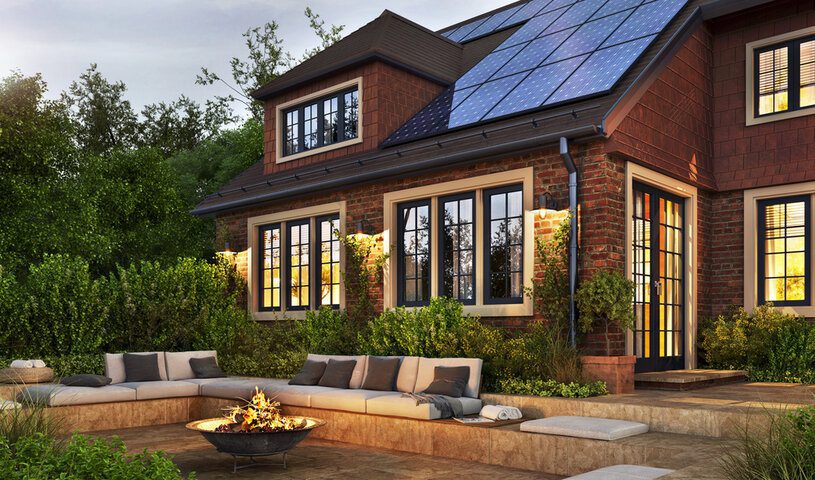
Rising energy costs have made homeowners more conscious than ever about the efficiency of their homes. Heating and cooling systems account for a significant portion of monthly utility expenses, and when a home is poorly insulated or has air leaks, those costs can climb even higher. Fortunately, strategic energy efficiency upgrades can help reduce waste, improve comfort, and create substantial long-term savings.
Many homes lose conditioned air through attics, walls, crawl spaces, windows, and gaps around doors. Improving these areas can make a noticeable difference in both energy consumption and indoor comfort. In fact, insulation improvements, air sealing, and ventilation upgrades are among the most cost-effective home improvements available. Proper attic insulation and air sealing can reduce heating and cooling costs by approximately 15–20% depending on the home and existing conditions.
If you’re looking for practical ways to lower your utility bills while improving your home’s performance, here are the top energy efficiency upgrades worth considering.
Why Energy Efficiency Matters
Energy efficiency means using less energy to achieve the same level of comfort and functionality.
Benefits include:
- Lower monthly utility bills
- Improved indoor comfort
- Reduced environmental impact
- Better indoor air quality
- Increased home value
- Longer HVAC lifespan
- Consistent temperatures throughout the home
By reducing energy waste, homeowners can enjoy both immediate and long-term financial benefits.
1. Upgrade Your Attic Insulation
The attic is one of the largest sources of energy loss in many homes.
When insulation levels are inadequate, heat escapes during winter and enters during summer, forcing HVAC systems to work harder. Proper attic insulation improves thermal performance, helps regulate indoor temperatures, and reduces strain on heating and cooling equipment.
Benefits of Attic Insulation
- Lower heating costs
- Reduced cooling expenses
- Improved comfort
- Better temperature consistency
- Increased energy savings
Signs You Need More Insulation
You may benefit from an upgrade if you notice:
- Uneven room temperatures
- High utility bills
- Drafty areas
- Excessively hot upstairs rooms
- Ice dams during winter
Attic insulation remains one of the highest-return energy improvements available for homeowners.
2. Seal Air Leaks Throughout the Home
Even the best insulation cannot perform effectively if conditioned air escapes through cracks and gaps.
Air leaks commonly occur around:
- Doors
- Windows
- Plumbing penetrations
- Electrical outlets
- Recessed lighting
- Attic access points
Why Air Sealing Is Important
Air sealing helps:
- Reduce drafts
- Improve comfort
- Lower heating costs
- Prevent moisture intrusion
- Increase HVAC efficiency
Many energy audits identify air leakage as a major source of wasted energy.
3. Improve Attic Ventilation
Proper attic ventilation works together with insulation to create a balanced and efficient home environment.
Without adequate airflow, attics can become extremely hot during summer and retain excess moisture during winter.
Benefits of Ventilation Improvements
- Reduced attic temperatures
- Improved roof lifespan
- Better moisture control
- Enhanced insulation performance
- Lower cooling costs
A well-ventilated attic contributes to overall home efficiency and comfort.
4. Install Blown-In Insulation
Blown-in insulation is a popular solution for improving thermal protection in hard-to-reach areas.
Unlike traditional insulation materials, it fills gaps and irregular spaces to create a more complete thermal barrier.
Advantages of Blown-In Insulation
- Excellent coverage
- Improved energy performance
- Fast installation
- Enhanced comfort
- Cost-effective results
Many homeowners choose blown-in insulation when upgrading older homes because it adapts well to existing structures.
5. Upgrade Crawl Space Insulation
The crawl space plays a major role in home efficiency, yet it is often overlooked.
Poorly insulated crawl spaces can contribute to:
- Heat loss
- Cold floors
- Increased humidity
- Higher utility bills
Benefits of Crawl Space Improvements
- Better temperature regulation
- Increased comfort
- Reduced energy waste
- Protection for plumbing systems
Addressing crawl space insulation can have a noticeable impact on overall home performance.
6. Replace Outdated Windows
Older windows often allow significant heat transfer.
Single-pane windows and aging frames can contribute to uncomfortable indoor temperatures and increased energy consumption.
Benefits of Energy-Efficient Windows
- Better insulation
- Reduced drafts
- Improved comfort
- Lower HVAC demand
- Enhanced curb appeal
Modern windows are designed to improve thermal performance while maintaining natural light.
7. Upgrade Exterior Doors
Doors can be another source of air leakage and heat loss.
Replacing older doors with insulated models helps improve efficiency while enhancing security and appearance.
Benefits Include
- Reduced drafts
- Improved insulation
- Better comfort
- Lower utility expenses
Combined with proper weatherstripping, upgraded doors contribute to a tighter building envelope.
8. Install a Smart Thermostat
Smart thermostats help homeowners manage energy use more effectively.
These devices allow automated temperature adjustments based on schedules and occupancy.
Energy-Saving Advantages
- Reduced unnecessary heating and cooling
- Improved temperature control
- Remote access
- Energy monitoring features
A smart thermostat can complement other efficiency upgrades by maximizing HVAC performance.
9. Upgrade HVAC Equipment
Older heating and cooling systems often consume more energy than modern equipment.
If your HVAC system is nearing the end of its lifespan, replacement may significantly improve efficiency.
Benefits of New HVAC Systems
- Lower energy consumption
- Better humidity control
- Improved comfort
- Reduced maintenance costs
When paired with insulation upgrades, HVAC improvements can deliver even greater savings.
10. Seal and Insulate Ductwork
Leaky ducts can waste conditioned air before it reaches living spaces.
This forces HVAC systems to work harder to maintain desired temperatures.
Benefits of Duct Improvements
- Better airflow
- Increased efficiency
- Lower energy bills
- Enhanced comfort
Professional duct sealing helps ensure that heated and cooled air reaches intended areas.
11. Address Moisture Problems
Moisture can negatively affect insulation performance and indoor comfort.
Excess humidity often contributes to:
- Mold growth
- Structural issues
- Reduced energy efficiency
Moisture Control Solutions
- Proper ventilation
- Crawl space improvements
- Air sealing
- Drainage management
A dry home is typically a more efficient home.
12. Schedule a Home Energy Assessment
Before investing in upgrades, many homeowners benefit from a professional energy evaluation.
An assessment can identify:
- Air leaks
- Insulation deficiencies
- Ventilation concerns
- HVAC inefficiencies
- Areas of heat loss
This information helps prioritize the most cost-effective improvements for your specific property. Kincaide Construction offers insulation inspections, evaluations, air sealing assessments, ventilation improvements, and recommendations designed to improve long-term energy savings.
Long-Term Benefits of Energy Efficiency Upgrades
While lower utility bills are often the primary motivation, energy improvements provide several additional advantages.
Improved Comfort
A properly insulated home maintains more consistent temperatures throughout the year.
Increased Property Value
Energy-efficient homes are attractive to buyers seeking lower operating costs.
Reduced Environmental Impact
Using less energy helps decrease greenhouse gas emissions and resource consumption.
Extended Equipment Life
Efficient homes place less strain on heating and cooling systems, helping equipment last longer.
Which Upgrade Offers the Best Return?
The answer depends on your home’s current condition.
However, the highest-impact improvements often include:
- Attic insulation
- Air sealing
- Ventilation upgrades
- Crawl space improvements
- HVAC optimization
These upgrades address the most common sources of energy loss while delivering measurable savings.
Conclusion
Energy efficiency upgrades are among the smartest investments homeowners can make. From attic insulation and air sealing to ventilation improvements and HVAC optimization, these solutions help reduce utility bills while creating a more comfortable living environment. By identifying areas of energy loss and implementing targeted improvements, homeowners can enjoy long-term savings, improved indoor comfort, and increased property value. For professional insulation assessments, air sealing solutions, and energy-saving upgrades, homeowners can trust Kincaide Construction to deliver reliable results and lasting performance.
Frequently Asked Questions
1. What energy efficiency upgrade saves the most money?
Attic insulation and air sealing often provide some of the highest returns because they directly reduce heating and cooling costs.
2. How much can insulation reduce utility bills?
Proper insulation upgrades may lower heating and cooling expenses by approximately 15–20%, depending on the home’s condition.
3. Is blown-in insulation a good investment?
Yes. Blown-in insulation provides excellent coverage, fills gaps effectively, and improves overall thermal performance.
4. How do I know if my home needs more insulation?
Signs include high utility bills, uneven temperatures, drafts, and insulation that is more than 15–20 years old.
5. Should I get a home energy assessment first?
Yes. An assessment helps identify the most effective upgrades and ensures you invest in areas that will provide the greatest savings.