
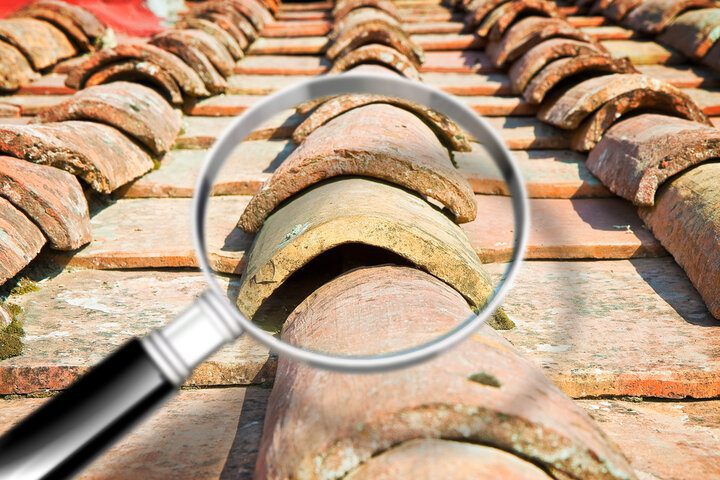
A roof is your home’s first line of defense against rain, wind, snow, and harsh weather. When even a small leak develops, water can quickly penetrate roofing materials and spread into ceilings, walls, insulation, and structural framing. What starts as a minor issue can soon become an expensive repair if left untreated.
Many homeowners overlook the early warning signs of roof damage because leaks often begin in hidden areas. By the time water stains appear indoors, moisture may have already caused mold growth, wood rot, or insulation damage.
Whether your roof has been affected by a storm, aging materials, or normal wear and tear, understanding the importance of timely roof leak repair can help you avoid costly structural damage and extend the lifespan of your roofing system.
What Is Roof Leak Repair?
Roof leak repair is the process of identifying the source of water intrusion and restoring the damaged section of the roof to prevent additional moisture from entering the home.
Depending on the cause of the problem, repairs may include:
Replacing damaged shingles
Repairing flashing
Sealing roof penetrations
Fixing damaged valleys
Replacing underlayment
Repairing vents
Replacing deteriorated decking
Addressing storm damage
Professional repairs restore the roof’s ability to protect your home from future weather conditions.
Common Causes of Roof Leaks
Understanding what causes roof leaks can help homeowners take preventive action before serious damage occurs.
Damaged Shingles
Shingles protect the roof from moisture and sunlight. Over time they may become:
Cracked
Curled
Missing
Loose
Broken by storms
Damaged shingles expose the underlying roofing materials to water infiltration.
Flashing Failure
Flashing seals vulnerable areas around:
Chimneys
Skylights
Roof vents
Valleys
Dormers
When flashing becomes loose, rusted, or improperly sealed, water can easily enter the roof system.
Storm Damage
Severe weather is one of the leading causes of roof leaks.
Heavy rain, hail, strong winds, and falling tree branches can damage roofing materials and create openings where water enters the home.
Scheduling a roof inspection after major storms helps identify hidden damage early.
Clogged Gutters
Overflowing gutters allow water to back up beneath roofing materials.
This excess moisture may damage fascia boards, roof decking, and shingles over time.
Keeping gutters clean helps maintain proper drainage.
Aging Roof Materials
Every roofing system has an expected lifespan.
As roofing materials age, they naturally become more vulnerable to:
Cracking
Shrinking
Loose fasteners
Sealant deterioration
Regular inspections become increasingly important as roofs grow older.
Warning Signs of a Roof Leak
Many leaks develop slowly before becoming noticeable indoors.
Watch for these common warning signs:
Water stains on ceilings
Damp walls
Peeling paint
Mold growth
Musty odors
Missing shingles
Sagging ceilings
Wet insulation
Visible roof damage
Increased energy bills
Addressing these symptoms quickly helps minimize repair costs.
Why Roof Leaks Should Never Be Ignored
A small leak rarely stays small.
Water intrusion may lead to several expensive problems throughout the home.
Structural Damage
Moisture weakens:
Roof decking
Rafters
Ceiling joists
Interior framing
Prolonged exposure can compromise the structural integrity of the home.
Mold and Mildew
Damp conditions create an ideal environment for mold growth.
Mold can spread behind walls, inside insulation, and throughout HVAC systems, affecting indoor air quality.
Damaged Insulation
Wet insulation loses its ability to regulate indoor temperatures.
This may increase heating and cooling costs while reducing energy efficiency.
Electrical Hazards
Water leaking into ceilings or walls may come into contact with electrical wiring, creating serious safety risks.
Immediate professional attention helps prevent further hazards.
The Roof Leak Repair Process
Professional roofing contractors follow a systematic approach to ensure long-lasting results.
Roof Inspection
The first step involves a thorough inspection of the roof and attic to identify both visible and hidden sources of water intrusion.
Professionals examine:
Shingles
Flashing
Roof vents
Valleys
Gutters
Roof decking
Accurate diagnosis is essential for effective repairs.
Leak Detection
Because water often travels before becoming visible indoors, locating the exact source requires experience and specialized techniques.
Contractors trace moisture paths to determine where repairs are needed.
Damaged Material Removal
Compromised roofing materials are carefully removed without affecting surrounding sections of the roof.
This creates a solid foundation for new materials.
Repair and Replacement
Depending on the damage, contractors may install:
New shingles
Replacement flashing
Waterproof sealants
Roof underlayment
Vent boots
Fasteners
All repairs are completed according to manufacturer specifications and local building codes.
Final Inspection
After repairs are complete, a final inspection confirms the roof is properly sealed and protected against future leaks.
Benefits of Professional Roof Leak Repair
Hiring experienced roofing professionals provides several advantages.
Professional repairs help:
Prevent water damage
Extend roof lifespan
Protect interior finishes
Improve energy efficiency
Preserve structural integrity
Reduce future repair costs
Increase property value
Improve weather resistance
Quality workmanship ensures repairs remain effective for years.
Preventive Roof Maintenance Tips
Routine maintenance is one of the best ways to avoid roof leaks.
Schedule Annual Roof Inspections
Professional inspections identify small issues before they develop into major problems.
Annual evaluations are especially important after severe weather.
Clean Gutters Regularly
Leaves and debris prevent proper drainage.
Cleaning gutters helps direct rainwater safely away from the roof and foundation.
Trim Overhanging Tree Branches
Tree limbs can scrape roofing materials or fall during storms.
Regular trimming reduces the risk of impact damage.
Replace Damaged Shingles Promptly
Missing or cracked shingles should be repaired as soon as possible to prevent water intrusion.
Inspect Flashing
Check flashing around chimneys, vents, and skylights for loose sections or deteriorated sealant.
Maintaining these vulnerable areas significantly reduces leak risks.
Should You Repair or Replace Your Roof?
Not every leak requires a complete roof replacement.
Repairs are often appropriate when:
Damage is limited to one area
The roof is relatively new
Only a few shingles are affected
Flashing requires replacement
Replacement may be the better investment if:
The roof is nearing the end of its lifespan
Multiple leaks are present
Storm damage is extensive
Structural components have deteriorated
Repairs have become frequent
A professional inspection provides the most accurate recommendation.
Choosing the Right Roof Leak Repair Contractor
Selecting an experienced roofing contractor helps ensure high-quality workmanship.
Look for companies offering:
Licensed professionals
Insurance coverage
Roofing experience
Transparent estimates
Manufacturer-approved materials
Positive customer reviews
Workmanship warranties
Choosing a trusted contractor provides confidence that repairs will be completed correctly.
Why Timely Repairs Save Money
Many homeowners postpone repairs because the leak appears minor.
However, delaying service often leads to:
Ceiling repairs
Drywall replacement
Mold remediation
Structural framing repairs
Insulation replacement
Interior painting
Flooring damage
Addressing roof leaks early is one of the most cost-effective ways to protect your home.
Conclusion
A roof leak should never be ignored, regardless of how small it may seem. Prompt repairs help protect your home’s structure, improve energy efficiency, prevent mold growth, and avoid costly interior damage. Regular inspections and preventive maintenance play a vital role in extending the life of your roofing system while keeping your family safe and comfortable throughout every season. For dependable workmanship and professional roofing solutions, homeowners can rely on Kincaide Construction.
Frequently Asked Questions
1. What are the most common signs of a roof leak?
Common signs include water stains on ceilings, damp walls, missing shingles, mold growth, musty odors, sagging ceilings, and visible roof damage after storms.
2. Can a small roof leak become a major problem?
Yes. Even a minor leak can lead to structural damage, mold growth, insulation deterioration, and costly interior repairs if it is not addressed promptly.
3. How often should my roof be inspected?
Most roofing professionals recommend a full inspection at least once a year and after severe weather events such as hailstorms, high winds, or heavy rainfall.
4. Is roof leak repair covered by homeowners insurance?
Coverage depends on your insurance policy and the cause of the damage. Sudden events like storms are often covered, while damage caused by neglect or lack of maintenance may not be.
5. How can I prevent future roof leaks?
Regular roof inspections, gutter cleaning, replacing damaged shingles, maintaining flashing, trimming overhanging tree branches, and addressing minor issues promptly can significantly reduce the risk of future leaks.