
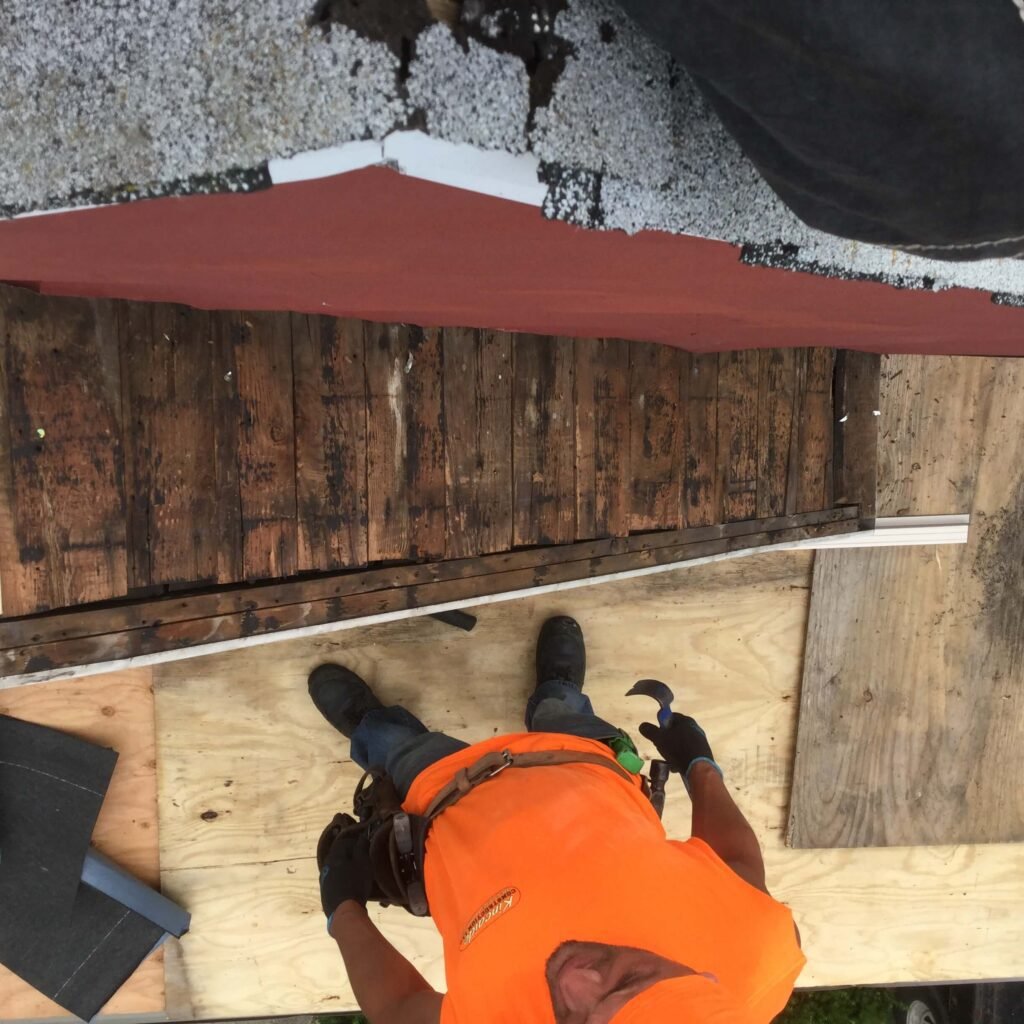
Your roof is one of the most important parts of your property. It protects your home or business from rain, snow, wind, and extreme temperatures. In Michigan, roofs are exposed to particularly harsh weather conditions, including heavy snowfall, strong winds, ice storms, and freezing temperatures.
Over time, these conditions can weaken roofing materials and lead to structural problems. While minor issues can often be repaired, there comes a point when replacing the roof becomes the better long-term solution.
Understanding when to replace your roof can help prevent costly damage and ensure your property remains safe and energy efficient. In this guide, we’ll discuss the common signs that indicate it may be time for a roof replacement and what Michigan property owners should consider before starting the process.
How Long Does a Roof Typically Last?
The lifespan of a roof depends on several factors, including the type of materials used, installation quality, and local climate conditions.
Here are the average lifespans of common roofing materials:
- Asphalt Shingles: 20–30 years
- Metal Roofing: 40–70 years
- Wood Shingles: 20–25 years
- Slate Roofing: 50–100 years
- Flat Roofing Systems: 20–30 years
In Michigan, roofs may wear out faster due to extreme seasonal weather changes. Regular inspections can help determine whether your roof is nearing the end of its lifespan.
Major Signs Your Roof Needs Replacement
Many homeowners are unsure whether they need a roof repair or a complete replacement. Below are the most common warning signs that your roof may need to be replaced.
Frequent Roof Leaks
Occasional leaks can usually be repaired, but if leaks become frequent or occur in multiple areas, it may indicate widespread damage.
Repeated leaks often suggest that the underlying roofing materials have deteriorated and can no longer provide reliable protection.
Signs of roof leaks include:
- Water stains on ceilings
- Mold or mildew in the attic
- Damp insulation
- Peeling interior paint
If leaks continue even after repairs, a full roof replacement may be necessary.
Curling or Missing Shingles
Shingles are designed to create a protective barrier against moisture and weather damage. Over time, they may begin to curl, crack, or fall off.
Curling shingles are often caused by aging materials, poor ventilation, or long-term sun exposure.
Missing shingles leave areas of the roof exposed to moisture, which increases the risk of leaks and structural damage.
When large portions of the roof have damaged shingles, replacing the entire roof is often more cost-effective than constant repairs.
Sagging Roof Structure
A sagging roof is a serious problem that requires immediate attention. It often indicates structural damage to the roof decking or support system.
Common causes of roof sagging include:
- Water damage
- Excessive snow weight
- Weak structural supports
- Long-term neglect
If your roof appears uneven or sagging, a professional roofing contractor should inspect it right away.
Granules in Gutters
Asphalt shingles contain protective granules that shield the roof from sunlight and weather damage. Over time, these granules may begin to wear off.
If you notice large amounts of granules accumulating in your gutters, it could mean your shingles are deteriorating.
Granule loss reduces the effectiveness of shingles and often indicates that the roof is nearing the end of its lifespan.
Increasing Energy Bills
A damaged or aging roof can affect your home’s insulation and ventilation. When heat escapes through the roof in winter or enters during summer, your HVAC system must work harder to maintain comfortable indoor temperatures.
This can lead to higher energy bills and reduced energy efficiency.
Replacing an old roof with modern materials can improve insulation and lower energy costs.
How Michigan Weather Impacts Roof Lifespan
Michigan’s climate is one of the biggest factors affecting roofing systems. Seasonal weather changes place significant stress on roofing materials.
Heavy Snowfall
During winter, roofs must support large amounts of snow. Excessive snow accumulation can strain the roof structure and increase the risk of leaks and damage.
Freeze-Thaw Cycles
Michigan frequently experiences freeze-thaw cycles, where temperatures rise above freezing during the day and drop again at night.
This process causes water to expand and contract within roofing materials, which can lead to cracks and structural damage over time.
Strong Winds and Storms
Severe storms can loosen shingles, damage flashing, and cause debris to strike the roof.
High winds may also lift shingles and expose the underlying roofing layers.
Roof Replacement Options for Michigan Homes
When replacing a roof, homeowners have several material options to choose from.
Asphalt Shingle Roofing
Asphalt shingles are the most common roofing material due to their affordability and durability.
They provide reliable protection against weather conditions and are available in various styles and colors.
Metal Roofing
Metal roofs are becoming increasingly popular in Michigan due to their durability and ability to withstand heavy snow.
They also reflect sunlight, which can help improve energy efficiency.
Energy-Efficient Roofing Materials
Many modern roofing systems include energy-efficient features designed to improve insulation and reduce heat transfer.
These materials can help homeowners save money on heating and cooling costs.
Benefits of Replacing Your Roof
While roof replacement can be a significant investment, it offers several long-term benefits.
Improved Safety
A new roof eliminates structural weaknesses and protects your home from leaks, mold, and water damage.
Increased Property Value
A new roof can significantly increase the value of your home. Many potential buyers consider roof condition when evaluating a property.
Better Energy Efficiency
Modern roofing materials improve insulation and ventilation, helping reduce energy consumption and lower utility bills.
Enhanced Curb Appeal
Replacing an old or damaged roof improves the overall appearance of your home, making it more attractive and well-maintained.
Choosing a Professional Roofing Contractor
Hiring an experienced roofing contractor is essential for a successful roof replacement.
A professional roofing company will:
- Perform a thorough roof inspection
- Recommend the best materials for your property
- Ensure proper installation
- Provide warranties for materials and workmanship
Working with qualified roofing professionals helps ensure your new roof lasts for many years.
Conclusion
Roof replacement is an important investment that protects your home from Michigan’s harsh weather conditions. While minor roofing issues can often be repaired, certain warning signs—such as frequent leaks, missing shingles, sagging structures, and aging materials—indicate that it may be time for a full replacement.
By addressing roofing problems early and working with experienced contractors, Michigan property owners can ensure their homes remain safe, energy efficient, and structurally sound.
Regular inspections and preventative maintenance can also help extend the lifespan of your new roof and protect your investment for years to come.