
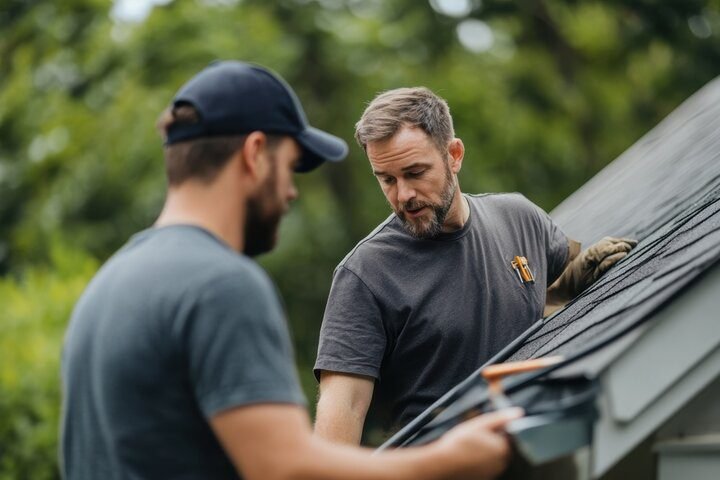
Brownstown, Michigan experiences the full force of Midwestern weather. Heavy snowfall, freezing rain, high winds, summer heat waves, and sudden temperature swings all place significant stress on roofing systems. Choosing the best roofing options for harsh weather in Brownstown is not simply about aesthetics. It is about durability, structural integrity, long-term value, and occupant safety.
For developers, property owners, and construction professionals, roofing decisions must align with structural design, load requirements, and regional climate demands. Whether the project involves multi-family housing, hospitality developments, or large-scale commercial facilities, the right roofing system plays a critical role in long-term performance.
Kincaid Construction Company, based in Brownstown, Michigan, supports developers and general contractors with precision structural wood framing and rough carpentry services across Southeast Michigan. In markets like Brownstown and nearby communities, roofing selection must work hand-in-hand with well-engineered framing systems to withstand Michigan’s demanding conditions.
Why Weather-Resistant Roofing Matters Here
Brownstown’s climate includes snow accumulation, ice dams, freeze-thaw cycles, and strong wind events. These conditions test every component of a roofing system. From decking and framing to insulation and waterproof membranes, the entire assembly must perform as a unified system.
In winter, snow loads can exceed expectations. When snow melts and refreezes, ice dams form along eaves and valleys, forcing water under shingles or membranes. In summer, heat and UV exposure can degrade lower-quality materials, while storms bring wind uplift risks that compromise improperly secured roofing systems.
Weather-resistant roofing is essential in Brownstown because it:
- Reduces long-term maintenance costs
- Minimizes emergency repairs after storms
- Protects structural framing from moisture damage
- Improves energy efficiency year-round
- Enhances property value and tenant satisfaction
For multi-family and commercial developments, roof performance directly affects operating expenses and insurance claims. A poorly selected system can lead to water intrusion that damages structural wood framing, drywall, insulation, and interior finishes.
Kincaid Construction Company understands how structural framing design supports roofing resilience. Proper truss spacing, decking attachment, and structural reinforcements ensure that the roofing system performs as intended under heavy loads and high winds. When roofing and framing are coordinated from the planning stage, projects achieve better durability and code compliance.
Another critical factor in Brownstown is freeze-thaw cycling. Repeated expansion and contraction stress roofing materials over time. High-performance systems are designed to tolerate these shifts without cracking, curling, or delaminating.
Weather-resistant roofing also contributes to occupant comfort by:
- Reducing thermal transfer during extreme heat and cold
- Limiting moisture infiltration that can cause mold growth
- Supporting ventilation strategies that prevent condensation
- Improving overall building envelope performance
In Michigan’s climate, roofing is not just a covering. It is a protective barrier that must endure year after year of environmental stress. Selecting the right system ensures both structural safety and financial stability for property owners.
Top Roofing Materials for Michigan Storms
When evaluating the best roofing options for harsh weather in Brownstown, several materials stand out for their proven durability. Each has unique benefits depending on building type, budget, and structural design.
The most common high-performance materials for Michigan storms include metal roofing, architectural asphalt shingles, and commercial flat roofing membranes such as TPO or EPDM. Each option can be engineered to withstand high winds, heavy snow, and moisture exposure.
Key characteristics of storm-resistant roofing materials include:
- High wind uplift ratings
- Impact resistance against hail
- Low water absorption rates
- Strong fastener systems
- Compatibility with proper ventilation assemblies
Metal roofing performs exceptionally well under snow loads and wind conditions. Architectural shingles offer cost-effective durability with enhanced wind ratings. Commercial membrane systems provide watertight performance for flat or low-slope structures.
In Brownstown and surrounding Southeast Michigan communities, snow load calculations are essential. Roofing materials must meet local building codes and be installed over properly engineered framing systems. This is where coordination between roofing contractors and structural framing specialists becomes critical.
Kincaid Construction Company supports commercial and multi-family builders by delivering structural wood framing systems designed to accommodate:
- Specified roof loads
- Mechanical rooftop units
- Snow drift considerations
- Long-span truss configurations
- Reinforced sheathing attachment
Choosing the right roofing material also depends on the building’s intended lifespan. Hospitality projects and large-scale residential developments often require systems that deliver 20 to 50 years of service with minimal disruption.
Storm durability is not only about the outer material. Underlayment, flashing, edge metal, and fastening patterns significantly affect performance. A premium roofing system installed over improperly framed decking will not perform optimally.
When materials and structural support are properly aligned, Michigan buildings can withstand severe storms without compromising safety or operational continuity.
Durable Metal Roofing for High Winds and Snow Loads
Metal roofing has become increasingly popular for commercial and multi-family projects in storm-prone regions. In Brownstown, where heavy snow and strong winds are common, metal systems offer exceptional strength and longevity.
One of the greatest advantages of metal roofing is its ability to shed snow efficiently. Smooth panel surfaces allow snow to slide off more easily than traditional shingle systems, reducing prolonged structural stress. This is especially important for large-span commercial buildings.
Metal roofing benefits include:
- Wind resistance often exceeding 140 mph
- Fire-resistant properties
- Minimal water absorption
- Long service life of 40 to 70 years
- Recyclable and sustainable material options
For commercial projects, standing seam metal roofing provides concealed fasteners that reduce leak risks. The interlocking panel design increases resistance to wind uplift and water intrusion.
Heavy snow accumulation can place thousands of pounds of pressure on roof structures. Structural wood framing must be engineered to carry these loads safely. Kincaid Construction Company ensures that truss systems, rafters, and sheathing assemblies are designed to support specified roofing systems and regional load requirements.
Metal roofing also performs well during freeze-thaw cycles. Unlike some materials that crack under expansion and contraction, properly installed metal panels accommodate temperature fluctuations with less structural stress.
Installation considerations for metal roofing include:
- Proper insulation to reduce condensation
- Snow guards where needed to control sliding snow
- Adequate ventilation beneath panels
- Secure fastening patterns per manufacturer specifications
For hospitality projects and commercial developments in Brownstown, metal roofing offers a strong return on investment due to its durability and reduced maintenance requirements.
While initial costs may be higher than traditional shingles, the extended lifespan and lower repair frequency often justify the investment. When paired with well-engineered framing systems, metal roofing provides one of the most reliable defenses against Michigan’s harshest weather conditions.
Architectural Shingles Built to Last Through Harsh Seasons
Architectural asphalt shingles remain one of the most widely used roofing systems in Michigan. Modern versions are far more durable than older three-tab shingles and are specifically designed to endure high winds and severe seasonal changes.
These shingles are thicker and layered, providing improved wind resistance and dimensional strength. Many products are rated for winds up to 130 mph when installed correctly. This makes them suitable for multi-family housing and light commercial structures in Brownstown.
Advantages of architectural shingles include:
- Cost-effective installation
- Enhanced wind resistance ratings
- Improved impact resistance
- Wide range of aesthetic options
- Reliable manufacturer warranties
Architectural shingles perform well when combined with high-quality underlayment and ice-and-water shield membranes. In Michigan, ice barrier protection along eaves and valleys is essential to prevent water intrusion from ice dams.
For developers managing large residential communities, architectural shingles provide a balance of performance and affordability. They are particularly effective when installed over properly fastened decking and reinforced framing systems.
Kincaid Construction Company supports these installations by ensuring roof decking is securely attached and framing assemblies meet required load standards. Strong sheathing attachment reduces the risk of shingle blow-off during windstorms.
Key installation best practices include:
- Using high-wind nail patterns
- Installing ridge vents for ventilation
- Adding ice barrier membranes in vulnerable areas
- Inspecting flashing at penetrations and transitions
While architectural shingles may not last as long as metal systems, many high-quality products offer 25 to 40 years of service life. Proper installation and maintenance significantly extend performance.
In harsh Michigan seasons, durability depends as much on installation quality as on material selection. Coordinated planning between framing contractors and roofing teams helps ensure long-term reliability.
Flat Roofing Systems for Commercial Builds
Large-scale commercial buildings and multi-family developments often feature flat or low-slope roofing systems. In Brownstown, these systems must be engineered carefully to prevent water pooling and structural stress from snow accumulation.
Common flat roofing materials include TPO, EPDM, and PVC membranes. These systems create continuous waterproof barriers that protect expansive roof areas.
Flat roofing system benefits include:
- Efficient coverage for large footprints
- Compatibility with rooftop mechanical systems
- Reflective options for energy efficiency
- Strong waterproofing performance
- Relatively low material weight
Drainage design is critical in Michigan. Proper slope, internal drains, and scuppers prevent standing water that can freeze and expand during winter.
Structural framing must account for:
- Snow drift loads near parapets
- Equipment weight from HVAC systems
- Potential ponding loads
- Wind uplift pressures on large surface areas
Kincaid Construction Company provides structural wood framing and rough carpentry solutions that support flat roofing assemblies on commercial projects throughout Southeast Michigan. Precision framing ensures decks remain level, properly sloped, and capable of supporting membrane systems.
Flat roofs also require consistent maintenance to inspect seams, flashing, and penetrations. High-quality membrane systems can last 20 to 30 years when maintained properly.
For hospitality and multi-family developers, flat roofing systems offer design flexibility while maintaining durability. When engineered correctly, they withstand Brownstown’s snow and storm cycles with reliable performance.
Choosing the Right Roof for Longevity and Safety
Selecting the best roofing option for harsh weather in Brownstown requires a comprehensive evaluation of structural design, budget, building use, and long-term performance goals.
There is no universal solution. The right system depends on:
- Building size and occupancy type
- Structural load capacity
- Desired lifespan
- Maintenance expectations
- Energy efficiency targets
Developers and general contractors benefit from early collaboration between structural framing teams and roofing specialists. When framing is designed with the roofing system in mind, performance improves significantly.
Kincaid Construction Company works closely with project partners to ensure that structural wood framing supports specified roofing assemblies. Their experience in multi-family, hospitality, and commercial projects allows for scalable solutions that meet demanding timelines without compromising quality.
Long-term roof safety depends on:
- Code-compliant load calculations
- Quality installation practices
- Proper ventilation design
- Durable materials suited to climate conditions
In Brownstown and across Southeast Michigan, harsh weather is inevitable. However, roofing failures are not. With thoughtful material selection, engineered structural support, and professional installation, buildings can withstand snowstorms, high winds, and seasonal temperature extremes.
Investing in weather-resistant roofing protects more than the building envelope. It safeguards occupants, reduces operational disruptions, and supports long-term property value.
Frequently Asked Questions
What does a commercial framing contractor do in large-scale construction projects?
A commercial framing contractor is responsible for building the structural skeleton of a project, including walls, floors, and roof systems using wood or engineered lumber. Kincaid Construction Company serving Southeast Michigan provides structural wood framing and rough carpentry for multi-family, hospitality, and commercial developments, ensuring buildings are constructed to meet load requirements, safety codes, and project timelines.
How does structural wood framing support roofing performance?
Structural wood framing forms the foundation that roofing systems rely on for stability and load distribution. Properly engineered trusses, rafters, and sheathing help roofs withstand snow loads, wind uplift, and mechanical equipment weight. Kincaid Construction Company ensures framing systems are designed to accommodate Michigan’s harsh weather conditions while supporting long-term roofing durability.
What is the difference between rough carpentry and finish carpentry in commercial construction?
Rough carpentry focuses on structural components such as framing, subfloors, roof decking, and load-bearing assemblies. Finish carpentry involves detailed interior elements like trim, cabinetry, and molding. In large-scale commercial projects, Kincaid Construction Company specializes in rough carpentry services that create the structural backbone necessary for safe and efficient building completion.
How long does commercial framing typically take on a multi-family project?
Framing timelines vary depending on project size, complexity, and weather conditions. Multi-family developments may require several weeks to several months for complete structural framing. Kincaid Construction Company coordinates closely with general contractors throughout Southeast Michigan to maintain efficient sequencing and meet demanding construction schedules.
Why is coordination between roofing contractors and framing subcontractors important?
Roofing performance depends heavily on structural support. Misalignment between framing and roofing teams can lead to load miscalculations or installation challenges. Kincaid Construction Company collaborates with project partners to ensure framing systems are properly designed and installed to support selected roofing materials and equipment loads.
What factors influence snow load calculations for commercial buildings in Michigan?
Snow load calculations consider roof slope, building height, wind exposure, and potential snow drift areas. Engineers also evaluate local building codes and historical weather data. Kincaid Construction Company incorporates these factors into structural wood framing design to help ensure safety and compliance across Southeast Michigan projects.
Can wood framing be durable enough for harsh Michigan weather?
Yes, when properly engineered and installed, wood framing systems are highly durable and capable of supporting heavy loads. Modern treated lumber, engineered wood products, and precise fastening techniques provide strength and longevity. Kincaid Construction Company delivers framing systems built to perform reliably under Michigan’s demanding climate conditions.
What types of projects does Kincaid Construction Company typically support?
Kincaid Construction Company supports multi-family housing developments, hospitality builds, and large-scale commercial projects throughout Southeast Michigan. Their expertise in structural wood framing and rough carpentry allows developers and general contractors to execute complex builds with confidence, precision, and consistent quality standards.