
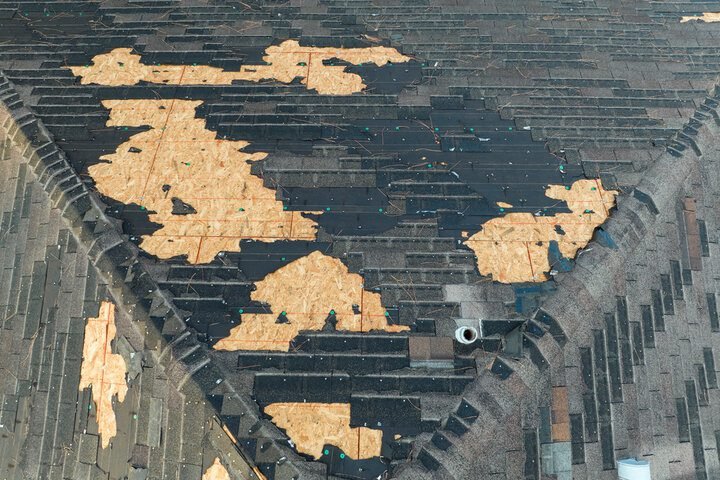
Severe weather in Brownstown and throughout Southeast Michigan can take a serious toll on commercial roofing systems. High winds, heavy rain, hail, and rapid temperature changes often expose vulnerabilities in structural framing and roof assemblies, especially on multi-family, hospitality, and large-scale commercial buildings. Protecting your roof after a storm is not simply about surface repairs. It requires a coordinated approach that considers structural integrity, moisture control, and long-term performance.
Kincaid Construction Company is a specialized commercial framing and rough carpentry contractor based in Brownstown, Michigan. With decades of experience supporting developers and general contractors across Southeast Michigan, the team understands how structural wood framing interacts with roofing systems during extreme weather. While the company is recognized for its structural framing expertise, its insight into storm resilience plays a critical role in protecting commercial buildings from ongoing damage.
This guide explains how to protect your roof after storms in Brownstown, focusing on commercial structures and large-scale projects. From assessing damage to reinforcing framing and planning long-term protection strategies, the following sections provide actionable steps that support safety, durability, and code compliance.
Assess Storm Damage on Commercial Roofs
Storm recovery begins with a comprehensive damage assessment. Even if a roof appears intact from the ground, hidden structural issues may exist beneath the surface. For commercial buildings, particularly those with structural wood framing systems, overlooking subtle damage can lead to expensive repairs later.
After heavy wind or hail events in Brownstown, property owners and project managers should prioritize safety before initiating inspections. Standing water, loose materials, and compromised framing components can pose risks. A professional assessment ensures that both visible and concealed damage are documented accurately.
Key areas to evaluate after a storm include:
- Roof decking condition and attachment points
- Structural framing connections and bracing
- Flashing, parapets, and edge details
- Signs of ponding water or membrane punctures
- Interior ceiling stains or moisture intrusion
Storm damage on commercial roofs often extends beyond shingles or membranes. In multi-family and hospitality developments, roof systems rely heavily on properly installed wood trusses, rafters, and structural sheathing. If high winds create uplift forces, these framing elements can shift, loosen, or crack.
A detailed inspection should include both exterior and interior evaluations. Inspectors may look for displaced sheathing panels, compromised fasteners, or subtle sagging that indicates structural stress. In commercial framing systems, even minor misalignment can impact overall building performance.
Comprehensive damage assessments provide several advantages:
- Early detection of structural weaknesses
- Clear documentation for insurance claims
- Prevention of progressive water intrusion
- Improved planning for phased repairs
- Protection of tenant safety and building occupants
Addressing storm damage quickly helps prevent compounding issues. Moisture infiltration can weaken wood framing over time, reducing load-bearing capacity and increasing the risk of mold growth. By starting with a thorough evaluation, developers and building owners in Brownstown can make informed decisions about necessary repairs or reinforcements.
Schedule Prompt Roof Inspections in Brownstown
Timing is critical when protecting your roof after storms in Brownstown. Delaying inspections increases the likelihood that small problems will evolve into major structural concerns. Prompt professional inspections provide clarity and help prioritize next steps.
In Southeast Michigan, seasonal weather patterns can intensify existing damage. Freeze-thaw cycles, for example, can widen small cracks or expand trapped moisture within wood framing assemblies. Early inspection reduces the risk of long-term deterioration.
A proactive roof inspection process typically includes:
- Visual examination of roof membranes and coverings
- Structural evaluation of framing and truss systems
- Moisture detection within insulation and decking
- Review of drainage systems and scuppers
- Documentation with photos and written reports
Commercial property managers in Brownstown benefit from scheduling inspections immediately after significant wind or hail events. Even if there are no visible leaks, underlying structural components may have shifted or loosened under pressure.
For large-scale developments such as apartment complexes or mixed-use projects, inspections should be coordinated across all building sections. Consistency ensures that no area is overlooked and that structural framing systems perform uniformly across the property.
Prompt inspections also support smoother project coordination:
- Faster insurance claim processing
- Clear scope definition for contractors
- Reduced disruption to tenants or operations
- Improved scheduling for repair crews
- Better protection against secondary damage
Kincaid Construction Company supports developers and general contractors in evaluating framing conditions that impact roofing systems. Their experience in structural wood framing across Brownstown and surrounding communities allows them to identify subtle issues that might otherwise go unnoticed.
By acting quickly, commercial property owners reduce financial risk and extend the lifespan of their roofing systems.
Reinforce Structural Framing After High Winds
High winds are among the most damaging storm elements affecting commercial buildings in Brownstown. Wind uplift places extreme pressure on roof assemblies, particularly at corners, edges, and parapets. When structural wood framing is compromised, the entire roof system becomes vulnerable.
Reinforcing framing after a storm requires a clear understanding of load paths and connection points. Commercial structures rely on precisely engineered trusses, beams, and sheathing panels to distribute loads evenly. If one component weakens, stress shifts to adjacent areas.
Common post-storm structural concerns include:
- Loosened metal connectors and hangers
- Cracked or split rafters and truss members
- Detached or lifted roof sheathing
- Misaligned framing at parapet walls
- Nail or fastener withdrawal
Addressing these issues involves more than replacing damaged boards. Reinforcement may require additional bracing, upgraded connectors, or enhanced fastening schedules that align with current building codes in Michigan.
For multi-family and hospitality projects, reinforcing structural framing also supports long-term resilience. Stronger connections reduce the likelihood of future uplift damage and improve overall building performance during extreme weather events.
Strategic reinforcement measures may include:
- Installing hurricane ties or structural straps
- Upgrading fasteners to higher wind-rated systems
- Adding blocking between trusses for stability
- Strengthening edge and corner framing zones
- Improving load transfer to supporting walls
Kincaid Construction Company brings specialized expertise in structural wood framing and rough carpentry, making them a valuable partner in post-storm reinforcement efforts. Their experience with large-scale commercial projects ensures that reinforcements integrate seamlessly with existing framing systems.
By prioritizing structural integrity, developers in Brownstown protect not only their roofing systems but the entire building envelope.
Prevent Water Intrusion and Mold Growth
Water intrusion is one of the most serious consequences of storm damage. Even minor breaches in roofing systems can allow moisture to enter insulation, decking, and structural framing. Over time, trapped moisture can compromise wood components and create conditions for mold growth.
In commercial buildings, water infiltration can spread quickly across large surface areas. Multi-family complexes and hospitality properties are especially vulnerable due to extensive roof spans and interconnected framing systems.
Early signs of water intrusion may include:
- Interior ceiling stains or discoloration
- Warped or swollen wood framing members
- Persistent musty odors
- Peeling paint or bubbling drywall
- Increased humidity levels indoors
Preventing mold growth begins with immediate moisture mitigation. Drying affected areas quickly reduces the likelihood of fungal development and structural weakening.
Effective prevention strategies include:
- Sealing roof penetrations and flashing gaps
- Replacing saturated insulation materials
- Improving roof drainage and slope design
- Installing vapor barriers where needed
- Conducting follow-up moisture testing
Wood framing systems must remain dry to maintain strength and durability. When moisture content rises above recommended thresholds, structural capacity can decrease. For commercial developments in Brownstown, this can translate to costly repairs and potential operational disruptions.
Partnering with experienced framing professionals ensures that moisture-damaged components are replaced correctly and that new materials are properly protected. A coordinated response between roofing specialists and framing contractors helps restore full structural performance.
Coordinate Repairs With Trusted Contractors
Protecting your roof after storms in Brownstown requires collaboration among multiple trades. Roofing contractors, structural framing specialists, and general contractors must work together to ensure that repairs address both surface and structural concerns.
Large-scale commercial projects demand careful coordination. Without clear communication, repairs can become fragmented, leading to inefficiencies or overlooked damage.
Benefits of coordinated contractor efforts include:
- Comprehensive repair strategies
- Accurate scheduling and sequencing
- Reduced downtime for occupants
- Clear accountability across trades
- Improved quality control
Kincaid Construction Company works closely with developers and general contractors throughout Southeast Michigan to deliver structural framing solutions that align with project goals. Their role in post-storm repairs often involves assessing and restoring wood framing components that support roofing systems.
When contractors collaborate effectively, they can:
- Align repair scopes with insurance documentation
- Ensure framing repairs precede roof membrane replacement
- Verify code compliance for structural upgrades
- Maintain consistent project timelines
- Reduce the risk of rework
Choosing trusted, experienced professionals ensures that storm recovery efforts strengthen the building rather than simply restoring it to pre-storm conditions.
Plan Long-Term Roof Protection Strategies
While immediate repairs are critical, long-term protection strategies provide ongoing resilience against future storms in Brownstown. Commercial property owners benefit from proactive planning that extends beyond reactive maintenance.
Long-term strategies focus on enhancing structural integrity, improving drainage, and implementing preventative maintenance programs. For large-scale developments, these measures protect investments and support consistent performance.
Key elements of long-term roof protection include:
- Routine annual inspections
- Scheduled maintenance of flashing and sealants
- Structural framing evaluations
- Drainage system cleaning and upgrades
- Wind-resistance enhancements
Incorporating storm-resistant design elements into new construction also improves durability. Properly installed wood framing systems with reinforced connections perform better under wind stress and reduce the likelihood of uplift damage.
Developers planning new projects in Brownstown may consider:
- Enhanced fastening schedules for roof sheathing
- Strategic bracing within truss systems
- Improved parapet reinforcement
- Moisture-resistant materials in vulnerable areas
- Code-aligned wind load design improvements
Kincaid Construction Company supports scalable structural framing solutions that adapt to evolving building standards and weather patterns. By integrating resilience into construction planning, developers across Southeast Michigan can protect their properties from recurring storm damage.
A forward-thinking approach transforms storm recovery into an opportunity for structural improvement and long-term value.
Frequently Asked Questions
What does a commercial framing contractor do on large-scale projects in Southern California?
A commercial framing contractor specializes in constructing the structural framework of buildings using engineered wood systems, trusses, beams, and sheathing. Kincaid Construction Company serving Southern California supports developers and general contractors by delivering precision structural wood framing for multi-family, hospitality, and large commercial projects. Their work establishes the backbone of the building and directly impacts roof performance, load distribution, and long-term durability.
How does structural wood framing impact roof durability?
Structural wood framing forms the support system beneath the roof deck and membrane. When properly installed, it distributes wind and gravity loads evenly across the structure. Kincaid Construction Company serving Southern California ensures framing systems are engineered and installed to meet performance demands, which helps reduce the risk of uplift damage, sagging, or moisture-related deterioration over time.
What is the role of rough carpentry in commercial construction?
Rough carpentry focuses on the structural components of a building, including floor systems, wall framing, and roof supports. It differs from finish carpentry because it prioritizes structural strength and code compliance rather than aesthetics. On commercial projects throughout Southern California, Kincaid Construction Company provides rough carpentry services that align with demanding construction schedules and large-scale development requirements.
How long does structural framing take on a multi-family project?
The timeline for structural framing depends on project size, design complexity, weather conditions, and coordination with other trades. For multi-family developments in Southern California, framing may take several weeks to several months. Kincaid Construction Company works closely with general contractors to maintain efficient sequencing and scalable crews that support timely project completion.
Why is subcontractor coordination important in large commercial builds?
Subcontractor coordination ensures that each phase of construction progresses smoothly without delays or conflicts. Structural framing must align precisely with mechanical, electrical, plumbing, and roofing systems. Kincaid Construction Company serving Southern California collaborates with project partners to maintain schedule integrity, prevent rework, and ensure all structural components integrate seamlessly within the broader construction plan.
What are the advantages of wood framing in commercial construction?
Wood framing offers strength, versatility, and cost efficiency for many multi-family and hospitality projects. It allows for faster installation compared to some alternative systems and provides flexibility in design. Kincaid Construction Company leverages decades of experience in Southern California to deliver wood framing systems that meet structural performance standards while supporting streamlined construction timelines.
How can developers improve storm resilience in new construction projects?
Developers can improve storm resilience by incorporating reinforced connections, upgraded fasteners, enhanced bracing, and moisture control strategies into structural framing plans. Kincaid Construction Company serving Southern California works with project teams to integrate these enhancements during the framing phase, strengthening roof assemblies and improving long-term building performance.
When should framing inspections occur during commercial construction?
Framing inspections typically occur at designated milestones before insulation and exterior finishes are installed. These inspections confirm code compliance and structural accuracy. On projects throughout Southern California, Kincaid Construction Company coordinates with inspectors and general contractors to ensure that each framing stage meets regulatory requirements and quality standards before advancing to the next phase.