
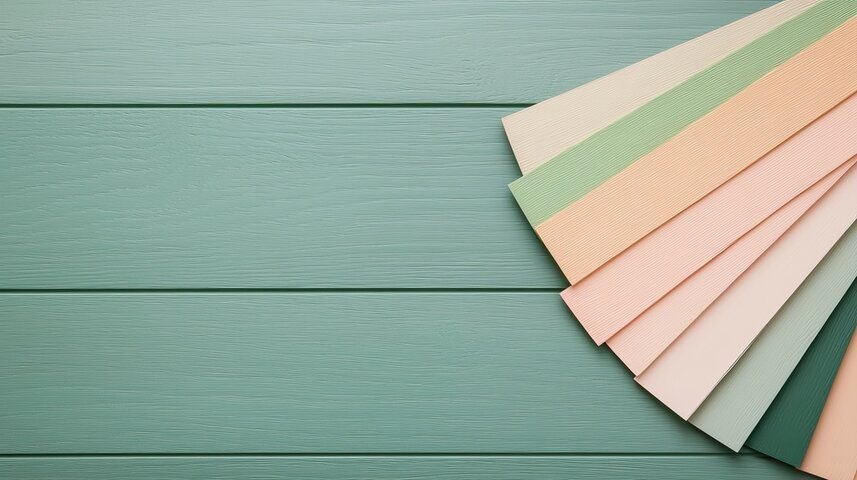
Choosing the right siding color for a home in Brownstown, MI is more than a design decision. It affects curb appeal, property value, neighborhood cohesion, and long-term maintenance. For developers and builders working on multi-family or large residential communities, siding color selection can also influence leasing speed, buyer perception, and brand identity.
While Kincaid Construction Company is a commercial framing and rough carpentry contractor serving developers and general contractors throughout Southern California, we understand how structural design and exterior finishes must work together. Whether building in Brownstown, Michigan or framing large-scale housing communities in cities like Los Angeles, San Diego, Irvine, and Riverside, cohesive planning between structure and exterior design leads to stronger, more marketable projects.
This guide explains how to choose siding colors in Brownstown, MI homes, with practical insights that apply to residential neighborhoods and larger developments alike.
Consider Brownstown’s Climate and Natural Light
Brownstown experiences all four seasons, including snowy winters, humid summers, and variable spring and fall weather. These conditions significantly affect how siding colors look throughout the year. A shade that appears warm and inviting in summer sun may look cooler or darker during overcast winter months.
Natural light plays a major role in how color is perceived. Homes that face north may appear darker and cooler, while south-facing homes receive more direct sunlight, intensifying warm tones. In Michigan communities such as Brownstown near 48183, seasonal light shifts can dramatically influence exterior aesthetics.
When selecting siding colors in this climate, consider:
- How the color appears in both bright and overcast conditions
- Snow reflection during winter months
- Shade from nearby trees or adjacent buildings
- The home’s orientation relative to the sun
Lighter siding colors can reflect heat in summer, which may be beneficial for energy efficiency. However, in colder climates, darker shades can create a sense of warmth and visual depth. Earth tones such as warm taupe, soft gray, sage green, and muted blue tend to perform well year-round because they adapt naturally to changing light.
From a construction standpoint, color choice also intersects with material performance. As a framing contractor supporting large-scale developments across Southern California, Kincaid Construction Company collaborates with project teams early in the build process to ensure structural elements, sheathing, and siding systems are installed with climate performance in mind. Even though our primary operations are in Southern California, the principle remains the same everywhere: climate should inform every exterior design decision.
Match Siding Tones to Local Architecture
Brownstown features a mix of traditional Midwestern architectural styles, including colonial, ranch, craftsman-inspired homes, and contemporary suburban builds. Choosing siding colors that complement these architectural styles ensures visual harmony and long-term appeal.
For example, colonial-style homes often look best in classic tones such as navy, white, soft gray, or muted yellow. Ranch homes may benefit from earthy palettes like warm beige, clay, or sage green. Meanwhile, newer construction can support bolder contrasts, including darker charcoal paired with crisp trim.
When aligning siding tones with architecture, consider:
- The era and style of the home
- Roof pitch and façade symmetry
- Window size and placement
- Porch columns and structural detailing
In larger residential developments, consistency becomes even more important. Repeating complementary color families across multiple units creates visual rhythm while still allowing variation. Developers often select three to five coordinated color schemes that alternate throughout the community.
Kincaid Construction Company understands how structural framing influences architectural expression. As a commercial framing contractor serving Southern California, we help bring architectural drawings to life for multi-family housing, hospitality, and commercial projects. Structural wood framing defines rooflines, overhangs, and façade depth, all of which impact how siding colors are perceived. Early coordination between design teams and framing professionals ensures the final exterior reflects the intended aesthetic.
Factor in Roofing, Brick, and Trim Colors
Siding does not exist in isolation. Roofing materials, brick accents, stone veneers, window frames, fascia boards, and trim all influence how a color reads. A siding color that looks appealing in a sample may clash when paired with an existing roof or brick façade.
In Brownstown neighborhoods, many homes feature asphalt shingles in black, brown, or charcoal tones. Brick foundations and accent walls are also common. When choosing siding, evaluate these fixed elements first.
Key considerations include:
- Roof color temperature, warm or cool
- Undertones in brick or stonework
- Window frame finishes
- Garage door and trim color coordination
For example, a home with warm red brick pairs well with creamy whites, warm grays, or olive tones. Cool-toned brick works better with blue-gray or charcoal siding. High-contrast combinations such as dark siding with white trim create a bold, modern appearance, while low-contrast palettes produce a softer, traditional feel.
On larger projects, material coordination becomes more complex. Multi-family developments often incorporate fiber cement siding, composite panels, metal accents, and masonry elements. In these cases, careful color integration ensures a cohesive visual identity.
While Kincaid Construction Company operates in Southern California, our experience in structural wood framing for large-scale commercial projects gives us a deep understanding of how framing supports exterior finish systems. Proper framing alignment ensures siding panels, trim boards, and accent materials install cleanly, allowing chosen colors to perform visually without irregularities or misalignment.
Think About Long-Term Maintenance and Durability
Siding color selection should also account for long-term maintenance. Michigan weather exposes homes to snow, rain, humidity, and fluctuating temperatures. Some colors show dirt, mildew, and fading more readily than others.
Darker colors may fade faster when exposed to strong UV light, while very light colors can show mud splatter and staining. Neutral mid-tone shades often provide the best balance between aesthetics and practicality.
When evaluating durability, consider:
- Fade resistance of the siding material
- Visibility of dirt and debris
- Cleaning frequency requirements
- Manufacturer warranty coverage
In large developments, maintenance considerations directly impact operating costs. Property managers prefer color schemes that maintain appearance with minimal upkeep. This is especially important for multi-family communities, hospitality buildings, and mixed-use developments.
As a commercial framing and rough carpentry contractor serving Southern California, Kincaid Construction Company supports developers constructing projects designed for long-term performance. Although siding installation may fall under another trade, the integrity of structural framing affects how exterior materials hold up over time. Properly aligned studs, moisture barriers, and sheathing contribute to siding longevity and consistent color presentation.
Durability planning should begin during early project phases. Coordinating structural design, weatherproofing systems, and exterior finishes reduces the likelihood of premature wear or uneven fading.
Coordinate Colors Across Large Developments
For developers building subdivisions or multi-family communities in Brownstown, color coordination is a strategic decision. A well-designed palette enhances branding, market appeal, and neighborhood identity.
Rather than selecting a single siding color, many developments incorporate curated color packages. These typically include coordinated combinations of siding, trim, shutters, and doors. Alternating these packages prevents repetition while maintaining a cohesive look.
Effective large-scale color planning includes:
- Selecting 3 to 5 complementary base colors
- Rotating schemes to avoid adjacent duplicates
- Establishing clear trim and accent standards
- Reviewing colors in real lighting conditions on-site
Community-wide cohesion improves resale value and overall visual appeal. In areas near Brownstown and surrounding Southeast Michigan communities, thoughtful color planning distinguishes new developments from older housing stock.
Although Kincaid Construction Company is based in Southern California, we frequently work on large multi-family and commercial developments where color coordination across buildings is critical. Structural framing must support façade articulation, balconies, setbacks, and architectural features that create natural opportunities for color variation. When framing and design teams collaborate, the result is a unified yet dynamic exterior environment.
Consult Framing Experts for Cohesive Results
Color decisions are often viewed as purely aesthetic. However, structural design plays a significant role in how siding colors appear. Wall depth, window placement, overhangs, and architectural details create shadows and highlights that influence color perception.
Consulting experienced framing professionals during early planning stages ensures exterior materials are supported correctly. Proper framing alignment prevents waviness or irregularities that can distort color presentation.
Working with structural experts helps:
- Maintain consistent siding attachment surfaces
- Support heavier accent materials such as stone veneer
- Ensure clean transitions between material types
- Improve overall façade symmetry
For developers and general contractors in Southern California, Kincaid Construction Company provides scalable structural wood framing and rough carpentry solutions for multi-family, hospitality, and commercial projects. Our team works closely with project partners to ensure framing systems support architectural intent, including exterior finish strategies.
Even though this guide focuses on how to choose siding colors in Brownstown, MI homes, the broader principle applies everywhere. Structural integrity and design coordination directly influence how exterior colors perform. By integrating framing expertise early in the process, builders create homes and commercial properties that look cohesive, perform reliably, and maintain visual appeal for years to come.
Frequently Asked Questions
What does a commercial framing contractor do on large-scale projects?
A commercial framing contractor installs the structural wood or metal framing systems that form the skeleton of a building. This includes walls, floors, roof trusses, and load-bearing components. Kincaid Construction Company serving Southern California specializes in structural wood framing for multi-family, hospitality, and commercial developments, working closely with general contractors to ensure precise execution and code compliance.
How does rough carpentry differ from finish carpentry?
Rough carpentry focuses on structural elements that are typically hidden behind drywall and exterior finishes, such as framing, blocking, and subfloors. Finish carpentry involves visible details like trim, cabinetry, and molding. Kincaid Construction Company serving Southern California concentrates on structural framing and rough carpentry, ensuring the foundational components of large-scale buildings are installed accurately and efficiently.
When should a framing subcontractor be brought into a project?
A framing subcontractor should be involved early in the preconstruction or planning phase. Early collaboration allows for constructability reviews, material planning, and scheduling coordination. In Southern California, Kincaid Construction Company works with developers and general contractors during early project stages to align structural framing strategies with overall project timelines and design goals.
How long does structural wood framing take on multi-family developments?
The timeline for structural wood framing depends on project size, complexity, weather conditions, and labor coordination. Multi-family developments may take several weeks to several months for framing completion. Kincaid Construction Company serving Southern California provides scalable crews and efficient scheduling strategies to support demanding construction timelines without compromising quality.
What are the advantages of wood framing for commercial buildings?
Wood framing offers design flexibility, cost efficiency, and faster installation compared to some alternative structural systems. It is particularly well-suited for low- to mid-rise multi-family and hospitality projects. Kincaid Construction Company serving Southern California leverages decades of expertise in structural wood framing to deliver durable, code-compliant solutions for large-scale developments.
How does framing impact exterior siding installation?
Proper framing ensures flat, aligned wall surfaces that allow siding materials to install correctly. Misaligned studs or uneven sheathing can lead to visible imperfections in exterior finishes. Kincaid Construction Company serving Southern California focuses on precision framing practices that support high-quality siding and façade systems across commercial and multi-family projects.
What role does a framing contractor play in meeting construction deadlines?
Framing is a critical path activity in most construction schedules. Delays in structural framing can impact multiple downstream trades. Kincaid Construction Company serving Southern California emphasizes efficient sequencing, workforce coordination, and proactive communication to help keep large-scale projects progressing according to schedule.
Can framing systems be scaled for large commercial developments?
Yes, framing systems are highly scalable and can be adapted to accommodate multi-building developments, mixed-use projects, and hospitality complexes. Kincaid Construction Company serving Southern California provides scalable structural wood framing and rough carpentry solutions tailored to the needs of developers and commercial builders throughout the region.