
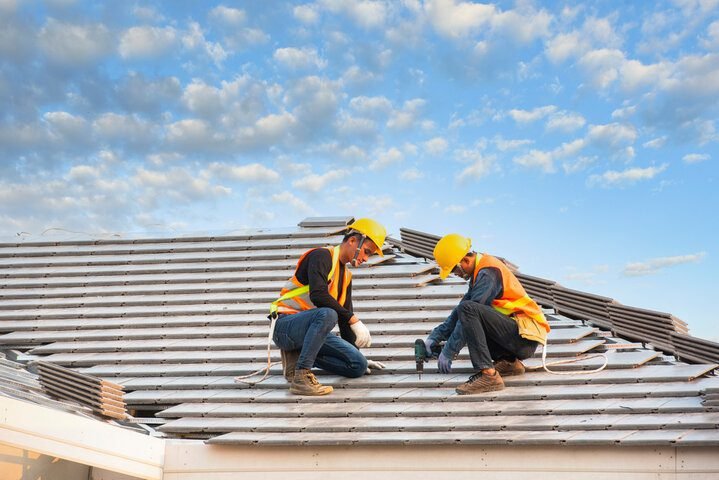
Maintaining a commercial roof in Brownstown, MI requires careful planning, seasonal awareness, and structural expertise. Michigan’s climate brings heavy snowfall, freeze-thaw cycles, spring rain, summer storms, and fluctuating temperatures that can challenge even the most durable roofing systems. For commercial buildings, multi-family developments, and hospitality properties, year-round roof maintenance is not just preventative care. It is a critical investment in structural performance, safety, and long-term value.
While this guide focuses on roof maintenance considerations in Brownstown and throughout Southeast Michigan, Kincaid Construction Company operates in Southern California, supporting developers and general contractors with structural wood framing and rough carpentry services across large-scale commercial projects. The insights shared here reflect best practices in structural integrity, framing coordination, and building envelope awareness that apply to commercial construction in any climate.
Property owners and construction professionals in Brownstown, including those near 48183, can benefit from understanding how roof systems interact with framing components, drainage systems, and structural loads throughout the year. The following guide outlines a practical, season-by-season approach to protecting your commercial roof investment.
Spring Roof Inspections After Michigan Winters
Michigan winters are notoriously harsh on commercial roofs. Snow accumulation, ice dams, freeze-thaw expansion, and prolonged moisture exposure can all compromise roofing membranes, flashing, and structural components. Spring is the ideal time to assess damage and address vulnerabilities before heavy spring rains begin.
A thorough spring inspection should evaluate both surface materials and underlying structural elements. For flat and low-slope roofs common in commercial and multi-family construction, ponding water and membrane separation are common concerns. On pitched systems, shingle damage and flashing deterioration are frequent post-winter findings.
Key priorities during a spring inspection include:
- Checking for membrane cracks or blistering
- Inspecting flashing around rooftop penetrations
- Evaluating drainage systems for blockages
- Identifying signs of wood rot or moisture infiltration
Beyond the visible surface, framing integrity should also be assessed. Prolonged snow loads can subtly shift framing connections or place stress on trusses and joists. While these structural impacts are not always immediately visible, early detection prevents larger repairs later.
Spring is also an important time to review documentation and maintenance logs. Commercial property managers should confirm:
- When the last structural inspection occurred
- Whether snow removal methods caused membrane damage
- If rooftop equipment servicing impacted flashing
- Whether warranty conditions require seasonal inspections
By taking a proactive approach in spring, building owners reduce the risk of interior water intrusion during heavy April and May rainfall. This is especially important in commercial buildings where tenant operations, hospitality services, or residential occupancy depend on uninterrupted performance.
Preparing Commercial Roofs for Summer Storms
Summer in Brownstown brings thunderstorms, high winds, and heavy downpours. While snow may be gone, intense rainfall and wind uplift can strain roofing assemblies in different ways. Preparing in late spring or early summer helps commercial buildings withstand sudden weather events.
Commercial roofs, particularly flat systems, must be prepared for rapid water discharge. Even minor drainage issues can lead to ponding during intense storms. When water accumulates repeatedly in the same areas, it weakens membranes and increases long-term failure risk.
Pre-summer preparation should include:
- Clearing roof drains and scuppers
- Securing loose flashing or edge metal
- Inspecting rooftop HVAC curbs and penetrations
- Checking parapet wall integrity
Wind uplift is another concern for commercial properties. Strong gusts can loosen perimeter components and damage poorly secured materials. Buildings with larger surface areas, such as multi-family complexes or hospitality developments, are particularly exposed.
Structural framing plays a critical role in wind resistance. Roof systems must transfer lateral loads safely into the building’s framing assembly. In large-scale commercial construction, coordination between roofing contractors and structural framing specialists ensures:
- Proper fastening patterns
- Code-compliant uplift resistance
- Secure attachment to trusses or joists
- Adequate sheathing performance
Although Kincaid Construction Company serves Southern California, where wind and seismic considerations are also key, the principle remains the same across regions. Structural wood framing must support roof systems under dynamic loads, whether from summer storms in Michigan or coastal winds in California.
Regular summer inspections also provide an opportunity to examine rooftop safety elements such as access hatches, guardrails, and equipment platforms. These features are essential for maintenance crews and should remain secure and code compliant.
Fall Gutter and Drainage Maintenance Tips
As leaves begin to fall across Brownstown and surrounding Southeast Michigan communities, drainage systems become vulnerable to clogging. For commercial roofs, blocked gutters and downspouts are among the most common causes of water damage.
Fall maintenance should focus on keeping water flowing freely away from the roof and building envelope. Accumulated debris not only traps moisture but also adds weight to gutter systems, potentially pulling them away from fascia boards.
Important fall maintenance tasks include:
- Removing leaves and organic debris from gutters
- Flushing downspouts to ensure clear flow
- Inspecting gutter brackets and fasteners
- Checking for sagging or misalignment
In flat-roof commercial buildings, internal drains must also be inspected. Unlike residential sloped systems, many commercial roofs rely on internal drainage systems that route water through pipes inside the structure. Blockages in these systems can result in severe ponding and structural strain.
Drainage inspections should also examine:
- Roof slope consistency
- Low spots where water collects
- Signs of membrane deterioration near drains
- Overflow scupper functionality
Fall is also a strategic time to prepare for winter snow loads. Addressing drainage issues now reduces the risk of ice formation later. When standing water freezes, it expands and can damage seams, flashing, and structural connections.
From a structural perspective, maintaining dry conditions is critical for wood framing systems. Prolonged moisture exposure can lead to rot, mold growth, and weakened structural members. Commercial framing contractors understand that protecting the building envelope directly protects the integrity of trusses, beams, and load-bearing assemblies.
Winter Snow Load Management Strategies for Flat Roofs
Winter presents the most serious structural challenge for commercial roofs in Brownstown. Snow accumulation adds significant weight, and when combined with ice, the load can exceed design expectations if not properly managed.
Flat and low-slope commercial roofs are particularly susceptible to heavy snow buildup. Unlike steep residential roofs that shed snow more easily, flat systems retain accumulation until removal or melting occurs.
Effective snow load management includes:
- Monitoring snow depth after major storms
- Removing excessive buildup safely and evenly
- Avoiding sharp tools that damage membranes
- Clearing around drains to prevent ice dams
Snow removal should be handled carefully to avoid uneven load distribution. Removing snow from only one portion of a roof can shift weight and stress framing members unevenly. A coordinated, balanced removal approach is essential.
Structural considerations are critical during winter. Commercial buildings rely on engineered trusses, joists, and beams designed for specific snow load ratings. However, repeated heavy storms can test those limits.
Winter roof planning should include:
- Reviewing engineered load capacity documentation
- Scheduling structural assessments for aging buildings
- Monitoring deflection or unusual ceiling cracks
- Ensuring rooftop equipment remains secure
In commercial construction projects, structural wood framing plays a foundational role in supporting roof assemblies under snow loads. Although Kincaid Construction Company focuses on Southern California projects, where snow is less common, the company’s expertise in load-bearing framing systems reinforces an important principle. Proper structural design and installation determine how well a roof performs under environmental stress, whether from snow in Michigan or seismic and wind forces in California.
Partnering With Pros for Structural Integrity
Roof maintenance is not just a roofing issue. It is a structural integrity issue. Commercial buildings depend on precise coordination between roofing systems, framing assemblies, and overall building design.
Property owners and developers in Brownstown benefit from working with experienced professionals who understand how roofing components interact with structural framing. Minor surface issues can sometimes indicate deeper concerns within the structural system.
Professional assessments often include:
- Reviewing framing connection points
- Inspecting sheathing attachment
- Evaluating load transfer paths
- Checking for moisture-related deterioration
Large-scale projects, such as multi-family housing or hospitality developments, require collaboration between general contractors, framing subcontractors, and roofing specialists. Clear communication ensures that maintenance practices align with structural design intent.
Kincaid Construction Company serves developers and general contractors across Southern California with scalable structural wood framing and rough carpentry solutions. While operating in a different climate, the company’s focus on precision, reliability, and code compliance mirrors the structural priorities required in Michigan commercial builds.
Partnering with qualified professionals supports:
- Long-term building performance
- Compliance with evolving building codes
- Reduced liability risks
- Protection of tenant safety
Commercial roof systems are complex assemblies integrated into the overall structure. Protecting them year round requires both surface-level maintenance and structural awareness.
Year Round Roof Planning for Michigan Builds
Effective roof maintenance in Brownstown is not a seasonal reaction. It is a year-round strategy. Developing a structured plan helps property owners and commercial managers stay ahead of potential issues.
A comprehensive annual roof plan should outline:
- Scheduled inspections in spring and fall
- Drainage system cleaning timelines
- Storm response procedures
- Snow load monitoring protocols
Documentation is equally important. Maintenance records, inspection reports, and repair logs provide valuable information for insurance claims, warranty compliance, and resale evaluations. For multi-family and hospitality developments, consistent documentation demonstrates responsible asset management.
Budget planning is another critical element. Setting aside funds for preventative maintenance reduces the likelihood of emergency repairs. Commercial property owners should allocate resources for:
- Routine inspections
- Minor membrane repairs
- Structural evaluations
- Drainage upgrades if needed
For developers planning new builds in Michigan, early collaboration between design teams and framing professionals strengthens roof performance from day one. Structural wood framing must align with climate demands, roof geometry, drainage design, and long-term maintenance accessibility.
Although Kincaid Construction Company operates in Southern California, supporting large-scale commercial framing and rough carpentry projects throughout the region, the principles of structural integrity, coordination, and precision remain universal. Strong framing systems form the backbone of durable roof assemblies in any climate.
By approaching roof maintenance as a year-round commitment rather than a seasonal task, property owners in Brownstown can extend roof lifespan, reduce unexpected costs, and protect building occupants.
Frequently Asked Questions
What does a commercial framing contractor do on large-scale projects?
A commercial framing contractor installs the structural wood framework that supports floors, walls, and roof systems in multi-family, hospitality, and large commercial buildings. Kincaid Construction Company serving Southern California specializes in structural wood framing and rough carpentry, working closely with developers and general contractors to ensure load-bearing assemblies meet engineering and code requirements.
How does structural wood framing impact roof performance?
Structural wood framing directly affects how a roof handles loads from snow, wind, and equipment. Properly installed trusses, joists, and sheathing distribute weight safely across the building. Kincaid Construction Company integrates precise framing techniques on Southern California projects to support long-term structural stability and overall building performance.
When should a framing subcontractor be involved in a commercial project?
A framing subcontractor should be engaged early in the construction planning phase. Early coordination ensures alignment between structural drawings, roof design, and other trades. On Southern California developments, Kincaid Construction Company collaborates during preconstruction and throughout active building phases to maintain schedule efficiency and structural accuracy.
How long does commercial wood framing typically take?
Framing timelines depend on project size, design complexity, and site conditions. Multi-family and hospitality projects may take several weeks to months for complete structural framing. Kincaid Construction Company serving Southern California delivers scalable framing solutions that align with broader construction schedules and sequencing requirements.
What is the difference between rough carpentry and finish carpentry in commercial builds?
Rough carpentry focuses on structural components such as framing walls, floors, and roof systems. Finish carpentry involves aesthetic elements like trim and cabinetry. Kincaid Construction Company concentrates on structural wood framing and rough carpentry across Southern California, ensuring buildings have a solid framework before interior finishes begin.
Why is coordination between roofing and framing trades important?
Roofing systems depend on properly installed framing for load support and fastening integrity. Misalignment can lead to structural stress or premature roof failure. On commercial projects in Southern California, Kincaid Construction Company works alongside roofing contractors and general contractors to maintain structural consistency and long-term durability.
How do framing contractors support multi-family construction projects?
Framing contractors provide the structural backbone for apartment complexes and mixed-use developments. This includes installing load-bearing walls, floor systems, and roof framing that meet engineering specifications. Kincaid Construction Company serving Southern California supports developers with efficient, code-compliant framing solutions designed for high-density construction.
What should developers look for in a commercial framing partner?
Developers should seek experience with large-scale projects, strong safety records, schedule reliability, and clear communication. Structural precision and familiarity with regional building codes are also critical. Kincaid Construction Company delivers dependable framing and rough carpentry services across Southern California, supporting complex commercial builds with professionalism and technical expertise.