
Commercial roof performance in Michigan depends heavily on seasonal planning. From freeze-thaw cycles in winter to summer storm systems moving across Wayne County, properties in Brownstown face constant weather stress. A proactive roof care strategy protects structural framing, prevents moisture intrusion, and extends the lifespan of roofing systems across multi-family, hospitality, and large-scale commercial buildings.
While this guide focuses on Brownstown, Michigan and surrounding communities such as Woodhaven, Trenton, and Taylor, it is presented by Kincaid Construction Company, a commercial framing and rough carpentry contractor serving Southern California. Our team specializes in structural wood framing for multi-family, hospitality, and commercial developments across the region. The seasonal roof considerations outlined here reflect best practices applicable to wood-framed commercial buildings in demanding climates.
Property owners, developers, and general contractors understand that roof systems are only as strong as the structural framework supporting them. A seasonal checklist ensures:
- Structural framing remains dry and dimensionally stable
- Drainage systems function efficiently
- Roofing materials stay properly secured
- Minor issues are addressed before becoming costly structural repairs
Below is a comprehensive seasonal roof care checklist tailored to Brownstown’s climate conditions, with insights applicable to large-scale commercial wood framing systems.
Spring Roof Inspection Tips in Brownstown
Spring in Brownstown, MI brings thawing snow, heavy rain, and fluctuating temperatures. These conditions expose vulnerabilities that developed during winter. Early spring inspections are essential to detect moisture damage, compromised flashing, or structural movement before peak construction and occupancy seasons begin.
During winter, ice dams and snow loads may stress wood trusses and roof decking. As temperatures rise, trapped moisture can migrate into framing cavities. For commercial buildings, especially multi-family housing or hospitality developments, spring inspections protect both structural integrity and tenant comfort.
Key spring inspection priorities include:
- Checking roof decking for signs of moisture staining or delamination
- Inspecting truss connections and metal hardware for corrosion
- Clearing drains, scuppers, and internal drainage systems
- Examining parapets and flashing transitions for separation
In Brownstown and nearby areas such as 48134, freeze-thaw cycles can expand small cracks into larger vulnerabilities. Even minor gaps around penetrations can allow significant water intrusion over time.
A thorough spring roof inspection should also include reviewing rooftop equipment curbs and mechanical supports. HVAC systems and exhaust penetrations often sit directly over structural framing components. If flashing fails, water may migrate into wood framing assemblies and compromise structural members.
For commercial developers and contractors, early spring is also a strategic time to:
- Schedule preventive maintenance before summer storm activity
- Evaluate warranty compliance requirements
- Document roof conditions for insurance and asset management
- Plan phased repairs without disrupting occupancy
Spring inspections are not just about identifying visible leaks. They are about protecting the entire structural wood framing system beneath the roofing membrane.
Summer Storm Prep for Commercial Roofs in Brownstown
Summer in Brownstown brings high winds, thunderstorms, and occasional severe weather events. Commercial roof systems must be prepared to withstand wind uplift, heavy rainfall, and rapid pressure changes. Storm preparation protects roofing materials and the structural framing system below.
Wind uplift is particularly concerning for large commercial roofs. If edge metal, coping, or membrane seams fail, wind can create suction forces that stress decking and framing connections. Structural wood framing must remain stable under these loads.
Summer storm preparation should include:
- Securing perimeter edge metal and coping caps
- Reinforcing flashing at corners and transitions
- Inspecting fasteners for backing out or corrosion
- Verifying that rooftop equipment is anchored properly
Heavy rainfall also tests drainage capacity. Ponding water increases live loads on roof framing systems and accelerates membrane deterioration. For flat or low-slope commercial roofs common in multi-family and hospitality projects, drainage efficiency is critical.
Proactive summer measures include:
- Cleaning internal drains and downspouts
- Confirming proper slope toward drainage points
- Checking expansion joints for movement capability
- Reviewing overflow scupper functionality
Storm readiness is not just about roofing membranes. Structural framing connections, blocking, and sheathing must perform cohesively under wind and water stress. In large-scale developments, coordinated inspections between roofing contractors and framing professionals improve long-term performance.
Even though Kincaid Construction Company operates in Southern California, where seismic and sun exposure concerns dominate, the principles of structural stability under environmental stress apply universally. A well-framed roof system provides the backbone for weather resilience in any region.
Fall Maintenance Checklist for Framed Roofs
Fall in Brownstown signals preparation for snow and freezing conditions. Leaves and debris can clog drainage systems, increasing the risk of ponding and ice formation. Fall maintenance ensures that roof systems and framing components are ready for winter loads.
Organic debris traps moisture against roofing membranes and flashing. Over time, this moisture can seep into roof decking and framing. For commercial buildings with wood structural systems, prolonged moisture exposure can compromise dimensional stability.
A practical fall maintenance checklist includes:
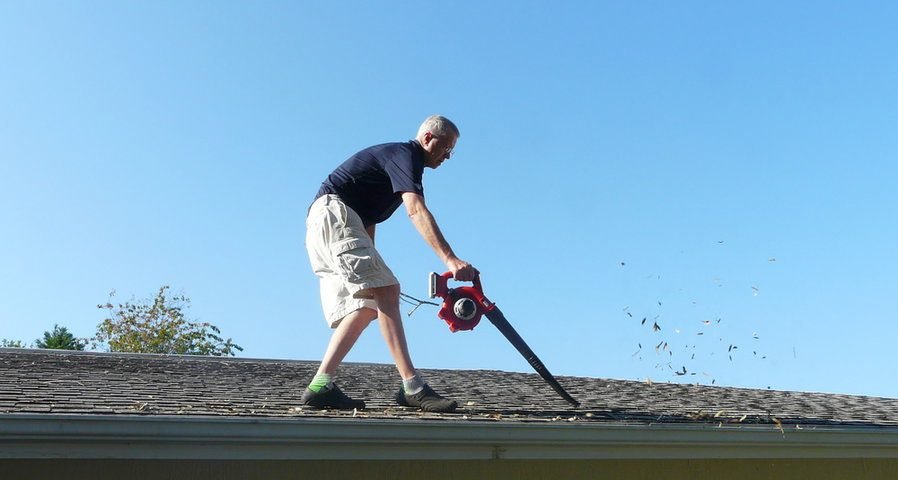
- Removing leaves and debris from drains and gutters
- Inspecting sealants around penetrations
- Checking roof access points and hatch seals
- Evaluating insulation for moisture intrusion
Fall is also an ideal time to review structural load paths. Snow loads in Michigan can place significant stress on trusses and bearing walls. Identifying weakened connectors or compromised decking before winter helps prevent emergency repairs.
Developers and property managers should consider:
- Reviewing original load calculations for code compliance
- Inspecting attic or plenum spaces for ventilation issues
- Ensuring no unauthorized roof penetrations were added
- Scheduling repairs before freezing temperatures set in
Preventive maintenance in the fall reduces winter liability risks. It also preserves the integrity of wood framing systems that support large commercial roof spans.
Winter Weather Protection for MI Roof Systems
Winter in Brownstown presents the most demanding conditions for roof systems. Snow accumulation, ice dams, and freeze-thaw cycles challenge both roofing membranes and structural framing components.
Snow loads increase dead and live loads on roof trusses. If drainage systems are blocked, melting snow can refreeze at edges, forming ice dams. These dams push water back under shingles or membranes, leading to interior leaks and hidden framing damage.
Winter protection strategies include:
- Monitoring snow accumulation levels
- Safely removing excessive snow when thresholds are reached
- Inspecting ceilings for early signs of water intrusion
- Keeping rooftop drains clear during thaw cycles
Freeze-thaw cycles also affect fasteners and metal connectors. As materials expand and contract, connections may loosen. For wood-framed commercial buildings, maintaining tight structural connections is critical to performance.
Additional winter best practices:
- Ensuring attic or plenum ventilation reduces condensation
- Checking interior humidity levels
- Monitoring deflection in long-span framing members
- Scheduling mid-winter inspections after major storms
Even in climates like Southern California where Kincaid Construction Company operates, structural framing must account for environmental stresses such as seismic movement and temperature fluctuations. In Michigan, snow and ice replace seismic concerns, but the principle remains the same: structural integrity starts with precision framing and consistent maintenance.
Structural Framing Checks Before Each Season
Seasonal roof care should always include structural framing evaluations. The roof membrane may be the first line of defense, but wood trusses, joists, beams, and blocking form the core support system.
Before each season, building owners and contractors should review framing conditions. Early detection of movement, moisture damage, or hardware corrosion prevents costly structural rehabilitation.
Seasonal framing checks should focus on:
- Inspecting truss plates and metal connectors
- Checking for cracked or split lumber members
- Evaluating bearing points for compression damage
- Confirming proper lateral bracing remains intact
Moisture is the primary threat to wood framing systems. Even small roof leaks can saturate insulation and eventually reach structural members. Over time, this can lead to rot, mold growth, or compromised load capacity.
Routine framing assessments also support:
- Long-term asset value preservation
- Code compliance verification
- Insurance documentation
- Risk mitigation for developers and property owners
Kincaid Construction Company specializes in structural wood framing and rough carpentry for large-scale projects throughout Southern California. While Brownstown, MI properties face different climate conditions than Southern California builds, the structural principles remain universal. Precision framing, proper load paths, and proactive maintenance protect commercial buildings in any environment.
Partnering with Experts for Year-Round Care
A seasonal checklist is only as effective as its execution. Partnering with experienced professionals ensures inspections are thorough and structural concerns are properly addressed.
Commercial roof care requires collaboration between roofing contractors, framing specialists, property managers, and general contractors. Each plays a role in maintaining performance across the building envelope.
Benefits of expert partnership include:
- Coordinated inspections across trades
- Accurate assessment of structural framing conditions
- Clear documentation for stakeholders
- Efficient repair scheduling aligned with occupancy needs
Developers managing multi-family or hospitality assets understand that deferred maintenance increases long-term costs. Proactive seasonal planning supports predictable budgeting and protects tenant satisfaction.
Although this guide focuses on Brownstown, Michigan, Kincaid Construction Company serves developers and general contractors across Southern California. Our team delivers scalable structural wood framing and rough carpentry solutions for multi-family, hospitality, and commercial projects. By combining precision craftsmanship with strategic project coordination, we help ensure roof systems and structural frameworks perform as designed throughout each construction phase and beyond.
Year-round roof care is ultimately about protecting structural investments. Whether in Michigan’s 48183 area or expanding commercial corridors across Southern California, a well-maintained roof system safeguards the framing beneath it and the occupants it shelters.
Frequently Asked Questions
What does a commercial framing contractor do on large-scale projects?
A commercial framing contractor is responsible for constructing the structural skeleton of a building, including wood framing systems such as walls, floors, trusses, and roof structures. On multi-family, hospitality, and commercial developments, this involves interpreting structural drawings, coordinating with other trades, and ensuring load paths meet engineering specifications. Kincaid Construction Company serving Southern California provides structural wood framing and rough carpentry services that support efficient project progression and long-term building performance.
How does rough carpentry differ from finish carpentry in commercial construction?
Rough carpentry focuses on structural elements that form the framework of a building, including studs, joists, beams, roof trusses, and sheathing. Finish carpentry, by contrast, involves visible aesthetic details such as trim, cabinetry, and moldings. In large-scale commercial projects across Southern California, Kincaid Construction Company concentrates on structural wood framing and rough carpentry to ensure the building’s core support system is constructed with precision and durability.
Why is structural wood framing popular in multi-family and hospitality construction?
Structural wood framing offers design flexibility, cost efficiency, and speed of installation. It allows developers to build multi-story multi-family and hospitality properties efficiently while maintaining code compliance and structural reliability. Kincaid Construction Company serving Southern California leverages decades of experience to deliver wood framing systems that meet demanding timelines and performance standards across large-scale commercial projects.
How do seasonal weather conditions impact commercial roof framing?
Seasonal weather changes can affect moisture levels, expansion and contraction of materials, and structural load demands. Snow loads in colder climates or thermal expansion in warmer regions can stress framing systems if not properly designed and maintained. Professional framing contractors like Kincaid Construction Company apply engineering principles and quality control measures to ensure structural wood systems perform under regional environmental conditions throughout Southern California.
When should a developer bring in a framing subcontractor during a project timeline?
A framing subcontractor is typically engaged after site preparation and foundation work are complete. Early coordination during preconstruction helps align material procurement, scheduling, and sequencing with the overall construction timeline. Kincaid Construction Company serving Southern California collaborates with developers and general contractors from planning through execution to support seamless framing integration on multi-family and commercial builds.
What are common challenges in large-scale wood framing projects?
Large-scale wood framing projects require precise coordination, material logistics management, and adherence to structural engineering specifications. Challenges can include tight schedules, design revisions, and coordination with mechanical, electrical, and plumbing trades. Kincaid Construction Company serving Southern California addresses these challenges through detailed planning, experienced field supervision, and consistent quality control processes.
How does proper roof framing affect long-term building performance?
Proper roof framing ensures loads are distributed correctly to supporting walls and foundations. It minimizes deflection, reduces the risk of moisture intrusion caused by structural movement, and supports roofing system longevity. In Southern California commercial developments, Kincaid Construction Company focuses on precise structural wood framing to enhance durability, safety, and lifecycle performance.
Can framing solutions scale for different types of commercial projects?
Yes, structural wood framing systems are highly adaptable and can scale across various commercial applications, including multi-family housing, mixed-use developments, and hospitality projects. Kincaid Construction Company serving Southern California delivers scalable framing and rough carpentry solutions tailored to project size, complexity, and scheduling requirements while maintaining consistent construction standards.