
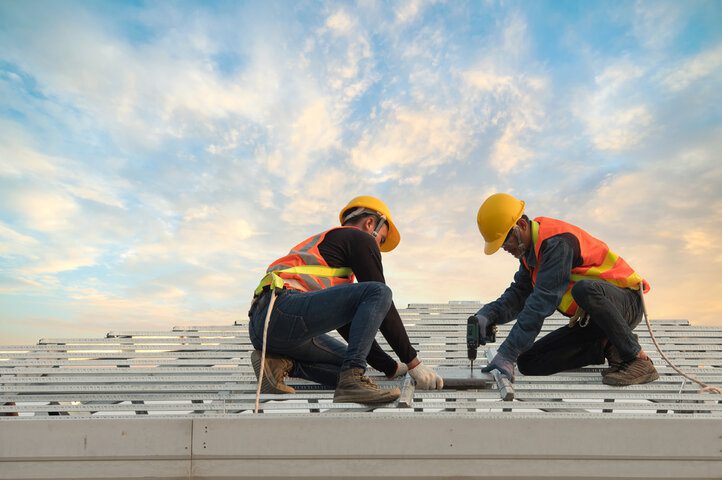
Roof work is one of the most dangerous tasks a homeowner can attempt. In Brownstown, Michigan, changing weather, seasonal storms, and aging residential structures increase those risks. Whether you live near Telegraph Road, West Road, or in surrounding communities like Woodhaven or Trenton, understanding proper roofing safety can prevent serious injury and costly property damage.
While this guide focuses on roofing safety tips for homeowners in Brownstown, it is provided by Kincaid Construction Company, a commercial framing and rough carpentry contractor serving developers and general contractors throughout Southern California. Our expertise lies in structural wood framing for multi-family, hospitality, and large-scale commercial projects. The same safety principles we apply on large commercial job sites can help homeowners approach roof work more responsibly and safely.
Below, we outline essential roofing safety considerations to help protect you, your family, and your property.
Understanding Roofing Risks in Brownstown
Roofing projects may appear straightforward from the ground, but elevated work introduces hazards that escalate quickly. In Brownstown, MI, homeowners face risks related to steep roof pitches, aging shingles, snow accumulation, and fluctuating temperatures. Even a single misstep can lead to severe injury.
Falls remain the leading cause of roofing injuries nationwide. Slippery surfaces from morning frost or leftover snow in Southeast Michigan create dangerous conditions, especially in neighborhoods near the Huron River where moisture levels are higher. Additionally, uneven roof decking or weakened sheathing can fail unexpectedly under weight.
Common roofing hazards in Brownstown include:
- Slippery shingles from rain, snow, or algae growth
- Weak or rotted roof decking
- Improperly secured ladders
- Loose debris or tools creating trip hazards
- Sudden wind gusts during Michigan storms
Another overlooked risk involves structural integrity. Homes built decades ago may not meet modern load standards. Roof decking weakened by water infiltration may not support concentrated weight during repair work. Homeowners attempting DIY fixes often do not assess underlying framing conditions before stepping onto the surface.
Professional framing contractors understand load distribution, sheathing strength, and structural bracing. On commercial builds across Southern California, Kincaid Construction Company evaluates structural wood framing to ensure stability before any trade accesses elevated surfaces. That same principle applies to residential safety: always confirm the structure beneath you is sound before beginning work.
Essential Safety Gear for Home Roofing Projects
Proper personal protective equipment is the first line of defense against roofing injuries. Many homeowners underestimate the importance of specialized safety gear, relying instead on standard work gloves and sneakers. Roofing demands more.
At minimum, homeowners should invest in fall-resistant footwear, head protection, and hand protection designed for construction environments. Michigan’s seasonal weather variations require adaptable gear that maintains traction and flexibility in cooler temperatures.
Key safety equipment includes:
- OSHA-rated fall protection harness and anchor system
- Roofing boots with slip-resistant soles
- Hard hat to protect from falling debris
- Heavy-duty gloves with grip support
- Safety glasses to guard against dust and shingle fragments
Beyond personal protective equipment, stabilization systems are critical. Roof jacks and planks provide stable standing surfaces on sloped roofs. Harness anchor points must be properly secured to structural framing members, not just surface sheathing.
On commercial framing sites in Southern California, safety harnesses are tied directly into engineered structural framing components. This ensures anchors can withstand dynamic loads. Homeowners in Brownstown should follow similar logic by anchoring fall protection systems into rafters or trusses, not merely decking.
Finally, never underestimate communication tools. If working with a partner, maintain clear verbal contact. Keep a phone accessible in case of emergency, and ensure someone inside the home knows work is being performed above.
Weather Considerations for Michigan Roofs
Michigan weather plays a major role in roofing safety. Brownstown experiences snowy winters, humid summers, and sudden seasonal storms. These changing conditions affect roof surfaces and structural materials differently throughout the year.
Winter introduces ice dams and frost accumulation. Even if snow appears cleared, underlying ice patches may remain. Roofing in temperatures below freezing increases brittleness in shingles, making them prone to cracking and slipping.
Weather-related roofing risks include:
- Ice dams causing unstable footing
- High summer heat softening asphalt shingles
- Spring rains creating slick surfaces
- Sudden wind gusts during fall storms
- Lightning risk during active weather systems
Summer heat also presents hazards. Asphalt shingles can soften in direct sunlight, reducing traction and causing surface granule loss. Prolonged sun exposure increases dehydration risk and fatigue, which can impair judgment at heights.
Professionals schedule structural work strategically to avoid peak weather hazards. On large-scale commercial projects throughout Southern California, framing phases are coordinated with weather forecasts to minimize risk exposure. Homeowners in Brownstown should apply similar planning principles by checking hourly forecasts and postponing roof work during unstable conditions.
Never attempt roofing during active storms or high-wind advisories. Wind uplift can destabilize both materials and people. Even moderate gusts can compromise balance on sloped surfaces.
When to Call a Professional Framing Team
While minor gutter cleaning may be manageable for some homeowners, structural roof repairs demand professional expertise. If decking feels soft, rafters appear sagged, or trusses show visible damage, do not proceed without qualified evaluation.
Structural roof components distribute weight across walls and load-bearing points. Improper repairs can shift loads unevenly, leading to long-term structural damage or collapse. Many homeowners underestimate the complexity of roof framing systems.
Signs you should contact a professional include:
- Visible sagging along the roofline
- Interior ceiling cracks or bowing
- Persistent leaks despite surface patching
- Mold growth in attic spaces
- Storm damage affecting large roof sections
Although Kincaid Construction Company operates in Southern California and specializes in commercial framing for multi-family and hospitality developments, the principles remain universal. Structural wood framing requires precision, engineering coordination, and code compliance.
For residential properties in Brownstown, consulting a licensed roofing contractor or structural specialist ensures proper load calculations and safe repair sequencing. Attempting to sister rafters, replace sheathing, or modify trusses without expertise can create more expensive problems down the line.
Large-scale framing projects demand disciplined safety protocols and technical understanding. Homeowners benefit from adopting that same cautious mindset when evaluating whether to DIY or call professionals.
Ladder Setup and Fall Protection Key Basics
Improper ladder use contributes to thousands of injuries annually. In residential neighborhoods throughout Brownstown, unstable ladder placement is one of the most common roofing safety mistakes.
Ladders must rest on stable, level ground. Soft soil, mulch beds, or uneven concrete surfaces compromise stability. Extension ladders should extend at least three feet above the roofline to provide safe transition points.
Safe ladder practices include:
- Maintain a 4:1 height-to-base ratio for extension ladders
- Secure ladder tops to prevent lateral movement
- Use ladder levelers on uneven surfaces
- Never carry heavy materials while climbing
- Keep three points of contact at all times
Transitioning from ladder to roof is particularly dangerous. Many falls occur during mounting or dismounting. Move slowly, maintain balance, and avoid sudden shifts in weight.
Commercial framing crews across Southern California use engineered access systems, guardrails, and comprehensive fall protection plans. While homeowners may not require large-scale systems, adopting basic fall protection measures significantly reduces injury risk.
Never overreach while on a ladder. Descend and reposition instead. A few extra minutes of repositioning can prevent life-altering injuries.
Protecting Your Property During Roof Repairs
Roof repairs do not only pose risks to people. Improper techniques can damage siding, landscaping, windows, and interior spaces. Debris control is essential when removing shingles or replacing decking.
Before starting any roof work, protect areas below. Cover landscaping features and move vehicles away from drop zones. Use tarps to collect falling debris and nails.
Property protection tips include:
- Lay plywood sheets over delicate plants
- Use magnetic sweepers to collect stray nails
- Cover attic contents beneath repair areas
- Secure loose gutters before starting work
- Block off ground-level work zones for safety
Interior protection is equally important. If roof decking is removed, sudden exposure can allow moisture infiltration. Keep tarps ready in case of unexpected weather changes.
On commercial construction projects, site protection plans are carefully coordinated to protect adjacent properties and staged materials. Kincaid Construction Company integrates debris management and structural sequencing into every framing phase across Southern California developments.
Homeowners in Brownstown can adopt scaled-down versions of these practices to reduce collateral damage and maintain a safer job environment.
Frequently Asked Questions
What does a commercial framing contractor do on large-scale projects?
A commercial framing contractor installs structural wood framing systems that form the skeleton of multi-family, hospitality, and commercial buildings. This includes wall framing, floor systems, roof trusses, and sheathing. Kincaid Construction Company serving Southern California works closely with developers and general contractors to ensure structural components are installed accurately, efficiently, and in alignment with engineered plans and project timelines.
How does rough carpentry differ from finish carpentry?
Rough carpentry focuses on structural elements such as framing walls, floors, and roofs, while finish carpentry involves aesthetic details like trim, cabinetry, and molding. In large-scale California construction projects, rough carpentry lays the structural groundwork that supports all other trades. Kincaid Construction Company specializes in rough carpentry and structural wood framing for commercial developments across Southern California.
What types of buildings use structural wood framing systems?
Structural wood framing is commonly used in multi-family housing, mixed-use developments, hotels, student housing, and certain commercial buildings. In Southern California, many mid-rise and large-scale residential developments rely on engineered wood framing systems. Kincaid Construction Company supports these projects with scalable framing solutions tailored to meet design and code requirements.
How long does the framing phase take on a multi-family project?
Framing timelines depend on project size, complexity, weather conditions, and coordination with other trades. A multi-family development may take several weeks to several months to complete framing. Kincaid Construction Company serving Southern California works within coordinated construction schedules to maintain efficient sequencing and help keep projects progressing smoothly.
Why is structural precision so important in commercial framing?
Structural precision ensures load paths are correctly distributed and that the building meets safety codes and engineering specifications. Errors in framing can affect every subsequent trade. Kincaid Construction Company emphasizes accuracy, quality control, and close collaboration with project partners throughout Southern California to support safe and durable building outcomes.
How do framing subcontractors coordinate with general contractors?
Framing subcontractors work under the direction of general contractors, following approved plans and schedules. Coordination includes material deliveries, inspection milestones, and trade sequencing. Kincaid Construction Company serving Southern California maintains clear communication with developers and builders to align framing progress with broader project goals.
What role does safety play in commercial framing operations?
Safety is fundamental in commercial framing due to elevated work, heavy materials, and equipment use. Crews follow fall protection protocols, equipment guidelines, and site-specific safety plans. Across Southern California projects, Kincaid Construction Company integrates structured safety measures into every phase of structural wood framing.
Can framing services scale for large hospitality or mixed-use developments?
Yes, experienced framing contractors can scale crews and resources to support large hospitality, mixed-use, and multi-building developments. Kincaid Construction Company provides scalable structural wood framing solutions across Southern California, adapting to project size and complexity while maintaining consistent quality and performance standards.
Roofing safety in Brownstown, MI starts with awareness, preparation, and knowing your limits. While homeowners can manage minor maintenance tasks with proper precautions, structural repairs often demand professional evaluation. By applying disciplined safety principles used in large-scale commercial construction, you can significantly reduce risk and protect both your home and your well-being.