
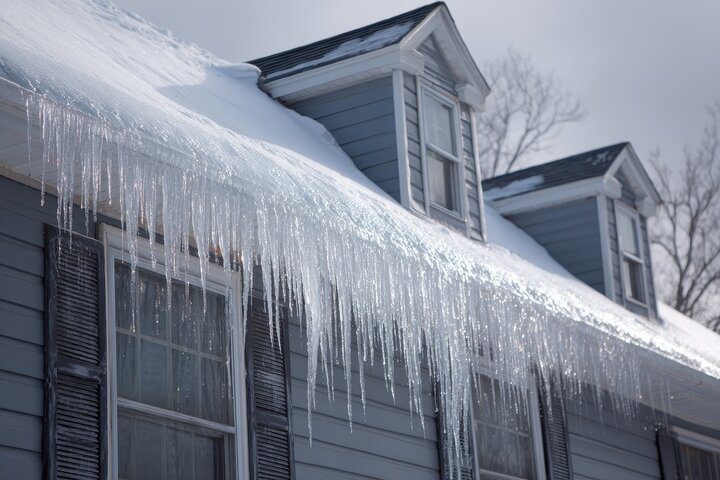
Winter in Brownstown, Michigan brings freezing rain, snow accumulation, ice buildup, and fluctuating temperatures that can put serious stress on roofing systems. For commercial properties, multi-family developments, and large-scale buildings, winter preparation is not just about preventing leaks. It is about protecting structural integrity, safeguarding tenants, and ensuring project timelines stay on track. Proper winter roof preparation reduces costly emergency repairs and supports long-term building performance.
For developers and general contractors managing commercial assets in Brownstown and surrounding Southeast Michigan communities, proactive planning is essential. Structural framing, sheathing, flashing, and drainage systems must all work together to withstand winter weather conditions. Ignoring even small vulnerabilities before the first freeze can lead to structural damage, interior water intrusion, and delays across active construction projects.
Kincaid Construction Company is a specialized commercial framing and rough carpentry contractor based in Brownstown, Michigan. With decades of experience in structural wood framing for multi-family, hospitality, and large-scale commercial projects, the company supports developers and general contractors throughout Southeast Michigan and nearby regions. While known for precision structural framing, Kincaid Construction Company understands how proper winter roof preparation protects framing systems and reinforces long-term building performance.
Inspect Your Roof Before Winter Hits
A thorough roof inspection is the first and most important step in preparing your building for winter in Brownstown. Snow and ice magnify existing vulnerabilities, so identifying small issues early prevents major structural damage later. Commercial roofing systems experience significant stress from temperature swings, freeze-thaw cycles, and snow loads common in Michigan winters.
For properties under construction, inspection should include roof sheathing, structural framing tie-ins, and weatherproofing details. For completed buildings, inspections should focus on membrane integrity, drainage flow, and penetration seals. Even minor cracks or lifting seams can allow moisture intrusion that damages structural wood framing below.
During a pre-winter inspection, prioritize:
- Surface damage such as cracks, blisters, or membrane punctures
- Loose or missing fasteners and attachments
- Signs of ponding water or improper slope
- Deterioration around roof penetrations and mechanical units
- Evidence of previous temporary repairs that need permanent solutions
Developers in Brownstown and nearby communities benefit from documenting inspection findings. Photo documentation and written assessments help general contractors plan corrective work before temperatures drop. This proactive approach protects structural framing systems and prevents mid-winter emergency calls.
Commercial framing systems rely on dry, protected conditions. When moisture penetrates through roofing layers and reaches wood framing, long-term structural performance can be compromised. Addressing roofing vulnerabilities before winter ensures framing components remain protected and structurally sound throughout the season.
Check Flashing and Seals for Cold Weather
Flashing and sealants play a critical role in preventing water infiltration, especially during freeze-thaw cycles common in Brownstown. When temperatures fluctuate, roofing materials expand and contract. If flashing is loose or sealants have deteriorated, gaps can form that allow moisture to enter the building envelope.
Commercial properties often include numerous roof penetrations, including HVAC units, plumbing vents, skylights, and exhaust systems. Each penetration represents a potential vulnerability. Ensuring that flashing is securely installed and properly sealed reduces the risk of ice dam formation and interior leaks.
Focus on these critical areas:
- Metal flashing at roof-to-wall transitions
- Seals around rooftop mechanical equipment
- Expansion joints and termination bars
- Skylight curbs and vent penetrations
- Parapet wall cap details
In winter, ice dams can develop along roof edges when snow melts and refreezes. Proper flashing installation and insulation coordination reduce this risk. Structural framing beneath these areas depends on consistent moisture protection to prevent rot or deterioration.
For commercial developments in Brownstown, proactive flashing inspections also help maintain warranty compliance and building code standards. Addressing sealant degradation before freezing temperatures arrive ensures that roofing systems perform as designed throughout Michigan’s harsh winter months.
Clear Gutters and Drains Around Site
Roof drainage systems are essential for managing snowmelt and winter precipitation. In Brownstown, clogged gutters and blocked roof drains can lead to water pooling, ice buildup, and excessive structural loading. For large commercial buildings, improper drainage can quickly escalate into significant structural concerns.
Leaves, construction debris, and accumulated sediment often obstruct gutters and internal drains. When temperatures drop, trapped water freezes and expands, creating additional pressure on roofing components. This added stress can compromise membrane integrity and underlying framing.
Before winter begins, ensure the following:
- Gutters and downspouts are cleared of debris
- Internal roof drains are free-flowing
- Scuppers are unobstructed
- Downspout extensions direct water away from foundations
- Drainage slopes are verified for proper runoff
In multi-family and hospitality developments, drainage failures can impact tenants and guests, leading to operational disruptions. Early maintenance prevents emergency response situations during peak winter conditions.
For projects under construction in Brownstown, temporary drainage solutions should also be evaluated. Construction-phase water management plays a crucial role in protecting exposed structural framing and sheathing from saturation before final roofing systems are fully installed.
Assess Structural Framing for Snow Load
Snow load is a major structural consideration in Michigan winters. Accumulated snow can exert substantial weight on roofing systems, particularly on flat or low-slope commercial roofs. Properly engineered structural wood framing must support anticipated loads while maintaining long-term stability.
Before winter, developers and general contractors should confirm that framing components are installed according to design specifications. This includes verifying proper fastening schedules, bracing, and load path continuity. Incomplete or improperly secured framing increases vulnerability during heavy snowfall.
Key structural considerations include:
- Verification of truss and joist spacing
- Proper installation of blocking and bracing
- Secure attachment of roof sheathing
- Confirmation of load-bearing wall alignment
- Inspection of beam and column connections
Moisture intrusion combined with snow load creates compounded risk. Wet framing materials are heavier and may experience reduced structural performance. Ensuring roofing systems are watertight protects the framing from additional stress.
Kincaid Construction Company understands the structural demands that winter conditions place on commercial buildings. With expertise in structural wood framing and rough carpentry, the company supports projects in Brownstown and throughout Southeast Michigan with framing systems designed to meet rigorous load requirements.
Schedule Professional Roof Maintenance Early
Timing matters when preparing a roof for winter in Brownstown. Waiting until freezing temperatures arrive limits repair options and increases costs. Scheduling maintenance early in the fall provides flexibility for thorough inspections, material sourcing, and corrective work.
Commercial roofing systems are complex, and professional evaluations identify issues that may not be visible during routine walkthroughs. Coordinated planning between roofing contractors and framing specialists ensures that any structural concerns are addressed comprehensively.
Early maintenance planning should include:
- Comprehensive roof inspection reports
- Coordination between roofing and framing teams
- Preventative sealing and minor repairs
- Drainage testing and adjustments
- Documentation for warranty and compliance records
Proactive scheduling also minimizes disruption to tenants or ongoing construction activities. For developers managing multiple properties across Brownstown and Southeast Michigan, early planning supports predictable budgeting and operational continuity.
Structural framing and roofing systems must function as a unified assembly. By addressing vulnerabilities before winter weather intensifies, property owners reduce long-term maintenance costs and protect the structural investment within each building.
Plan Repairs with a Trusted Local Contractor
When repairs or upgrades are needed, partnering with a trusted contractor ensures quality results and dependable project execution. Commercial roofing and structural framing require experienced professionals who understand load paths, moisture management, and building code compliance in Michigan.
Selecting a contractor should involve evaluating experience with large-scale commercial projects, safety standards, and coordination capabilities with general contractors. For multi-family, hospitality, and commercial developments in Brownstown, clear communication and schedule alignment are critical.
When choosing a contractor, consider:
- Proven experience in commercial structural systems
- Strong safety and compliance records
- Transparent scheduling and coordination practices
- Familiarity with Michigan winter construction challenges
- Ability to support scalable project demands
Kincaid Construction Company, based in Brownstown, Michigan, specializes in structural wood framing and rough carpentry for large-scale developments. Serving developers and general contractors throughout Southeast Michigan, the company brings precision, reliability, and efficient execution to every project. From new construction framing to coordination during roofing upgrades, Kincaid Construction Company supports structural solutions that strengthen building performance before winter and beyond.
Preparing your roof for winter in Brownstown is not simply seasonal maintenance. It is a strategic investment in structural durability, tenant safety, and project continuity. With proper inspection, drainage management, flashing evaluation, structural assessment, and early professional involvement, commercial properties can withstand Michigan’s winter conditions with confidence.
Frequently Asked Questions
What does a commercial framing contractor do on large-scale projects?
A commercial framing contractor installs the structural wood framework that forms the skeleton of multi-family, hospitality, and commercial buildings. This includes floor systems, load-bearing walls, roof trusses, and sheathing. Kincaid Construction Company serving Southeast Michigan works closely with developers and general contractors to ensure framing systems meet engineered specifications, local codes, and project timelines.
How does structural wood framing handle heavy snow loads in Michigan?
Structural wood framing systems are engineered to support anticipated live and dead loads, including snow accumulation common in Michigan winters. Proper spacing of joists and trusses, secure connections, and adequate bracing are essential for performance. Kincaid Construction Company ensures framing installations align with structural plans to maintain stability under seasonal snow loads.
When should commercial roof inspections be scheduled in Michigan?
Commercial roof inspections should ideally be scheduled in early fall before freezing temperatures arrive. This allows time for necessary repairs and preventative maintenance. In Brownstown and surrounding communities, proactive scheduling reduces the risk of winter leaks and structural stress during peak snow and ice conditions.
How does rough carpentry differ from finish carpentry in commercial construction?
Rough carpentry focuses on structural elements such as framing, subfloors, roof decking, and load-bearing assemblies. Finish carpentry involves detailed interior elements like trim, cabinetry, and decorative features. Kincaid Construction Company specializes in structural wood framing and rough carpentry for large-scale commercial and multi-family developments throughout Southeast Michigan.
Why is drainage so important for flat commercial roofs in winter?
Flat or low-slope commercial roofs rely heavily on functional drainage systems to prevent ponding water and ice buildup. Blocked drains can increase structural loads and cause leaks. Proper drainage protects roofing membranes and the structural framing beneath, reducing the risk of costly winter damage.
How do framing contractors coordinate with general contractors during winter preparation?
Framing contractors collaborate with general contractors to verify structural readiness, address any deficiencies, and align timelines with roofing or envelope upgrades. Clear communication ensures that snow load requirements, bracing, and moisture protection strategies are properly implemented before winter weather impacts the site.
Can winter weather delay commercial construction projects?
Yes, winter weather can affect schedules, particularly if roofing systems or framing assemblies are exposed to moisture. However, proactive planning and proper weatherproofing strategies minimize disruptions. Kincaid Construction Company supports efficient project execution by coordinating framing activities with seasonal considerations in mind.
What should developers look for when hiring a framing contractor in Southeast Michigan?
Developers should prioritize experience with large-scale commercial projects, knowledge of regional weather conditions, strong safety practices, and a proven track record of on-time performance. Kincaid Construction Company, based in Brownstown, Michigan, delivers scalable structural wood framing solutions designed to meet the demands of Southeast Michigan’s growing construction market.